Retiring before 50 can seem an impossible dream unless you are a lottery winner.
However, early retirement is not necessarily about having millions in the bank. It is more about changing where and how you live.
Housing, healthcare, transportation, food, and everyday services can cost significantly less in some countries than they do in the United States.
By moving somewhere with a lower cost of living, the savings or passive income that would barely cover rent at home may enable you to have a comfortable lifestyle abroad.
Moving overseas is not so easy, though. There is a lot to consider first.
Affordable rent and inexpensive restaurant meals form only part of the equation. Anyone planning to retire abroad, especially older adults or people with ongoing health needs, needs to consider:
Residency and visa rules
Access to hospitals and specialists
Health insurance
Prescription availability
Climate and air quality
Walkability and accessibility
Language barriers
Taxes and banking
Distance from family
Long-term care
This guide explores 10 popular and emerging places where retiring before 50 may be financially possible. It also looks at the practical issues that matter more as you get older.
Can You Really Retire Before 50 in Another Country?
Financially, it is possible. Legally, it can be complicated.
The word retirement can refer to two different things:
Financial retirement: You have enough savings, investments, rental income, or remote income to stop working full time.
A retirement visa: A legal immigration category that may require a certain age, an official pension, or a minimum monthly income.
A country can be affordable enough for early retirement while still refusing to issue you a formal retirement visa before age 50.
Thailand is a good example: living there before 50 is possible under an appropriate visa, but its official retirement visa routes generally begin at age 50.
Other countries base residency more heavily on income or financial solvency than age.
Mexico’s temporary residence route, for example, is designed for stays longer than 180 days and shorter than four years, with financial requirements generally determined through the relevant consulate.
Therefore, the most affordable destination is not always the easiest place in which to establish legal residency.
The following monthly figures are averages based on a modest but comfortable lifestyle. They are not guaranteed averages. Your actual spending will depend on location, household size, rent, insurance, travel habits, and healthcare needs.
Country
Broad monthly planning range
Early-retirement advantage
Main consideration
Thailand
$1,500–$2,500
Good value and private healthcare options
Retirement visa generally starts at 50
Vietnam
$1,200–$2,000
Very low everyday expenses
Long-term residency is less straightforward
Mexico
$2,000–$3,000
Close to the United States
Costs and safety vary enormously by region
Panama
$2,000–$3,500
Dollar-based economy and retiree programs
Tropical heat and pension requirements
Portugal
$2,000–$3,500
European lifestyle and infrastructure
Housing is increasingly expensive in popular areas
Ecuador
$1,500–$2,500
Affordable cities and varied climates
Altitude and healthcare location matter
Malaysia
$1,500–$2,500
Modern urban lifestyle for less
Residency programs require substantial capital
Costa Rica
$2,000–$3,500
Nature, climate and established expat communities
No longer a bargain in popular areas
Bulgaria
$1,400–$2,500
Among the lowest costs in the EU
Language, winters and pension-based residency
Albania
$1,400–$2,500
Affordable Mediterranean lifestyle
Healthcare and infrastructure vary by location
A single person renting a modest apartment may spend less. A couple with private healthcare, a car, frequent flights, and a large modern apartment may spend considerably more.
You may also like to read: Countries That Will Pay You to Move There. In this guide, we look at countries that offer incentives to move there and what the requirements are.
1. Thailand
Thailand has been one of the world’s most popular retirement destinations for decades. It combines tropical weather, affordable food, established expatriate communities, and a wide choice of lifestyles.
You can live in a modern apartment in Bangkok, choose a slower and less expensive life in Chiang Mai, or settle near the beaches of Phuket, Hua Hin, or Koh Samui.
Why Thailand works for early retirement
Housing can be very affordable outside the most expensive tourist districts.
In Chiang Mai, current crowdsourced figures place the estimated monthly expenses of a single person, excluding rent, at approximately $540.
Actual costs vary according to neighborhood and lifestyle, but the city remains substantially less expensive than most major Western cities.
Local food, public transportation, domestic services and mobile data are also inexpensive.
If you are willing to eat local meals and rent outside the tourist center, you can live on a much lower budget than someone who chooses imported groceries, Western restaurants, and a luxury beachfront condominium.
Healthcare and considerations for older adults
Thailand has international private hospitals, particularly in Bangkok and other large cities.
However, private treatment can become expensive, and hospitals may require proof of payment or insurance before providing treatment.
Public facilities outside Bangkok may offer a different standard and experience.
Older retirees should investigate:
Distance from a suitable hospital
Coverage for pre-existing conditions
Availability of regular medications
Emergency evacuation from islands
Whether insurance pays hospitals directly
Heat tolerance and dehydration risk
Chiang Mai also experiences seasonal smoke and air pollution, particularly during the dry season. This can aggravate asthma, sinus problems and other respiratory conditions and may make northern Thailand unsuitable for some retirees during parts of the year.
Sidewalks and pedestrian crossings can be uneven or difficult to navigate. Crossing the road often means crossing several lanes of fast-moving traffic.
Can you retire in Thailand before 50?
Thailand’s formal retirement visa options generally require applicants to be at least 50 years old. The Non-Immigrant O-A route is intended for people aged 50 or older and does not permit employment.
Someone younger than 50 will need a different legal basis for staying, such as an employment, family, education, investment, or other qualifying visa.
Do not assume repeated tourist entries will provide a secure long-term solution.
Best for: People who want warm weather, affordable services, active expat communities and easy access to urban amenities.
Think carefully about Visa eligibility, air quality, traffic, insurance, and the distance to high-quality medical care.
Vietnam has become one of Asia’s best-value destinations.
Da Nang is especially attractive because it offers beaches, modern apartments, a major airport and a more relaxed atmosphere than Hanoi or Ho Chi Minh City.
Everyday expenses can be extremely low. Country-level crowdsourced estimates currently place basic monthly spending for one person, excluding rent, at roughly $430, although expatriates using private healthcare and imported products will generally spend more.
Why Vietnam appeals to early retirees
Vietnam offers:
Affordable apartment rentals
Inexpensive local meals
Low-cost ride-hailing
Good mobile and internet connectivity
A long coastline
Busy cities and quieter coastal communities
Da Nang is a great option. It is large enough to provide modern conveniences but less overwhelming than Vietnam’s two biggest cities.
Healthcare and daily life for older residents
Healthcare planning is essential. Medical providers may expect payment before treatment, and facilities outside the main cities may not be able to handle complicated emergencies.
Older adults should also think about road safety and mobility. Crossing busy streets can be stressful, and pavements are not always clear or accessible.
Vietnam’s climate also varies. The north can have cool, damp winters, while southern areas remain warmer. Central Vietnam, including Da Nang, can experience heavy rain and tropical storms.
Can you retire in Vietnam permanently?
Vietnam’s official electronic visa can be issued for a maximum of 90 days, with single or multiple entry.
That makes it useful for exploring the country, but it is not a permanent retirement solution.
Anyone planning to live in Vietnam long term needs a better plan rather than relying indefinitely on short visits.
Vietnam can therefore be financially attractive, but long-term legal status is more complicated than in countries with clear passive-income or pensioner residence programs.
Best for: Adventurous early retirees who value food, beaches, city life and very low everyday costs.
You may also like to read: Best Countries to Start over with $10,000. In this guide, we explore countries where you can set up a new life for around the price of a budget secondhand car.
3. Mexico
For Americans and Canadians, Mexico has one enormous advantage over many other affordable retirement destinations: it is close.
You may be able to fly back in a few hours rather than spending an entire day crossing multiple time zones. In some locations, returning by car is also possible.
Popular retirement destinations include:
Mérida
Puerto Vallarta
Lake Chapala and Ajijic
San Miguel de Allende
Oaxaca
Mexico City
Querétaro
La Paz
Why Mexico works for early retirement
Mexico provides enormous variety. You can choose a colonial city, a beach town, a high-altitude inland community, or one of the world’s largest cities.
Food and local services can be inexpensive, although housing prices have increased significantly in some areas popular with international residents.
A $2,000 monthly budget may feel comfortable in one city and restrictive in a high-demand coastal neighborhood.
Private healthcare is available in major cities, and Mexico’s closeness to the United States may make it easier to maintain existing relationships with doctors at home. However, relying on frequent international travel for routine care can become impractical as you get older.
What older people should investigate
Mexico cannot be evaluated in its entirety. Healthcare, climate, infrastructure and security differ widely by state and city.
For example:
Mérida is relatively flat but can be extremely hot and humid.
San Miguel de Allende has a pleasant climate but also hills, cobblestones and uneven pavements.
Beach destinations may face hurricanes, humidity and seasonal crowds.
Mexico City offers specialists and extensive services but also traffic, altitude and air pollution.
Safety conditions also vary by state and can change. Check current government travel information for the specific location rather than judging the entire country from headlines, or assuming that a well-known expat town has no risks.
Can you retire in Mexico before 50?
Mexico’s temporary residence visa is intended for stays longer than 180 days and shorter than four years.
It is generally based on financial solvency or another qualifying connection rather than a universal retirement age. Individual consulates publish and apply their own current financial evidence requirements.
This makes Mexico one of the more realistic options for financially independent people who are not yet old enough for an age-based retirement visa.
Best for: North Americans who want lower costs without living on the other side of the world.
Think carefully about: Regional safety, extreme heat, walkability, healthcare location and rising rents in popular expat communities.
Panama has spent years promoting itself as a retirement destination. It offers tropical weather, modern areas of Panama City, established expat communities and a currency system closely connected to the U.S. dollar.
That last point is convenient for Americans. Prices are commonly expressed in dollars, reducing everyday exchange-rate confusion.
Where retirees live
Panama provides several distinct lifestyles:
Panama City: Hospitals, shopping, international flights and high-rise living
Boquete: Cooler mountain weather and an established expat community
Coronado: Coastal living within reach of Panama City
El Valle de Antón: A quieter mountain environment
Pedasí: A smaller coastal community
The right choice depends heavily on health and mobility. A remote beach home may seem ideal at 48 but feel less practical at 68 if specialist appointments require several hours of travel.
Panama’s retirement programs
Panama’s Pensionado program is designed around a lifetime pension rather than simply reaching a certain age.
Official requirements include proof of a lifetime pension of at least $1,000 per month, with an additional amount for qualifying dependants.
Panama also has a Rentista Retirado route based on interest income from a qualifying fixed-term deposit in specified Panamanian state banks. The official requirement describes at least $850 per month in interest from a deposit held for a minimum of five years.
A person under 50 who already receives an eligible lifetime pension may therefore be able to qualify.
Someone who has accumulated investments but does not receive a qualifying pension will need to examine other visas.
What older residents should consider
Panama is hot and humid at sea level. Mountain destinations provide cooler temperatures but may involve steep roads, limited transportation, and fewer nearby specialists.
Before choosing a town, evaluate:
Travel time to a major hospital
Ambulance availability
Flood and landslide exposure
Building elevators and backup power
Air-conditioning costs
Availability of direct international flights
Private insurance age limits
Best for: Retirees receiving a pension who want a tropical, dollar-based country relatively close to North America.
Think carefully about: Humidity, remote locations, insurance and whether your income meets the legal definition of a qualifying pension.
Portugal has become one of Europe’s most sought-after destinations for people moving abroad.
It offers historic cities, Atlantic beaches, smaller inland communities and easy access to the rest of Europe.
However, Portugal is no longer an ultra-cheap destination. Housing in Lisbon, Porto and the most popular parts of the Algarve can soon deplete an early-retirement budget.
Where to consider living
People trying to control expenses should look beyond the most famous locations:
Braga
Coimbra
Caldas da Rainha
Silver Coast communities
Smaller towns in central Portugal
Inland Algarve communities
Parts of the Alentejo
Smaller cities may provide better value, but they can also offer fewer English-speaking services and less direct access to specialists.
Why Portugal works for older adults
Portugal provides a European lifestyle with established public services, private healthcare options and relatively short travel distances between many cities.
Nevertheless, accessibility can be a problem. Historic centers can contain:
Steep hills
Polished stone pavements
Narrow staircases
Apartment buildings without elevators
Limited parking
Older homes with poor insulation
An inexpensive traditional apartment may become uncomfortable during a damp winter or difficult to access after a knee or hip problem. Inspect homes with your future mobility in mind, not only your current fitness.
Can you retire in Portugal before 50?
Portugal offers a residence visa for retirees and people living from passive or independent income. The route is not simply an age-based retirement visa.
For 2026, Portugal’s means-of-subsistence benchmark is tied to the national minimum monthly salary of €920 for the principal applicant, with additional amounts generally required for family members.
Applicants still need to demonstrate stable resources, accommodation and the other required documentation.
Tax planning is crucial. Spending more than 183 days in Portugal or establishing a habitual residence can make someone a Portuguese tax resident, potentially bringing worldwide income into the Portuguese tax system.
Do not base a move on old articles describing tax incentives that may no longer apply in the same way.
Best for: People seeking a slower European lifestyle, beautiful scenery and access to multiple countries.
Think carefully about: Housing costs, hills, winter comfort, tax residency and the difference between tourist Portugal and everyday Portugal.
Ecuador has long attracted retirees looking for an affordable lifestyle in the Americas. It uses the U.S. dollar, which simplifies budgeting for Americans, and offers dramatically different climates within a relatively compact country.
Cuenca is the best-known retirement destination. It has colonial architecture, an established international community and a cooler highland climate. Quito and coastal cities offer very different environments.
How Ecuador can stretch a retirement budget
Housing, local food, domestic help and transportation can cost less than in many North American cities.
A monthly budget of approximately $1,500 to $2,500 may give you a comfortable lifestyle, depending on rent, location and healthcare choices.
The greatest savings are generally available to people who live like a local rather than attempting to recreate a North American lifestyle.
Health and altitude
Cuenca and Quito are located at significant elevations. Some people enjoy the cooler temperatures, but altitude may be a problem for individuals with certain heart, lung or circulatory conditions.
Spend enough time in the city to see how your body responds before signing a long lease or purchasing property.
Healthcare access also depends on location. Someone who requires regular specialist appointments should investigate actual providers, appointment availability, insurance acceptance and transportation, not simply rely on general statements that healthcare is affordable.
Residency options
Ecuador officially recognizes several temporary residence categories, including routes for people living on regular income and for pensioners.
The suitable category will depend on whether your income comes from a pension, investments, rental property, or another source.
Documentation and financial thresholds can change, so applicants should confirm the current rules with an Ecuadorian consulate or qualified immigration professional.
Best for: People seeking an affordable Spanish-speaking country with a choice of mountain, city and coastal climates.
Think carefully about: Altitude, earthquakes, healthcare location, Spanish-language administration and distance from family.
Malaysia is frequently overlooked, yet it offers one of Asia’s best combinations of urban convenience, food, infrastructure and private healthcare.
Kuala Lumpur provides modern condominium living, extensive shopping, rail transportation and major hospitals.
Penang attracts people who prefer a smaller city with a famous food culture and coastal environment.
Current cost comparisons place Malaysia well below many Western destinations.
Kuala Lumpur’s cost index remains moderate for a major capital, while country comparisons generally show Malaysia to be considerably less expensive than Costa Rica when rent is included.
Why Malaysia offers good value
Malaysia may not always provide the cheapest street food or rent in Southeast Asia. Its advantage is the standard of lifestyle available for the money.
A retiree may be able to afford:
A modern high-rise apartment
A swimming pool and gym
Reliable air-conditioning
Nearby shopping and restaurants
Private medical facilities
Good regional flight connections
The tropical climate is hot and humid throughout much of the year. Heavy rain, mold control and continuous air-conditioning expenses should be included in the budget.
Can people under 50 qualify for residency?
Malaysia’s current Malaysia My Second Home program accepts applicants from age 25 under its main Silver, Gold and Platinum categories.
However, applicants must meet significant financial conditions, including fixed deposits and property-purchase requirements.
Participants under 50 also face a minimum annual physical-presence requirement of 90 days. Medical checks and health insurance form part of the program requirements.
Malaysia is therefore legally accessible to some younger retirees, but it is not a low-capital solution.
A person may have enough monthly income to live comfortably while still lacking the assets needed for the residency program.
Best for: People who want modern Asian city living, diverse food and strong regional transportation.
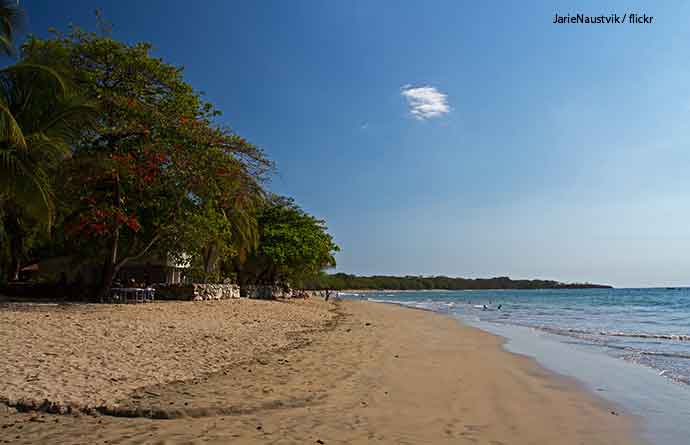
Costa Rica appeals to people who place nature and lifestyle ahead of finding the absolute lowest possible costs.
Beaches, mountains, rainforests and wildlife are part of everyday life. The phrase pura vida, the pure life, captures the relaxed attitude many newcomers are seeking.
Popular destinations include:
Central Valley communities
Grecia
Atenas
Escazú
Lake Arenal
Tamarindo
Nosara
The Southern Zone
Costa Rica is a good option, but not necessarily cheap
A budget between $2,000 and $3,500 per month may be realistic, but highly desirable beach communities can cost considerably more.
Imported food, vehicles, air-conditioning and private insurance can quickly increase spending.
Living in the Central Valley may provide better access to hospitals and services than choosing an isolated beach or mountain property.
Healthcare considerations
Medical care is generally easier to access in and around San José. Options become more limited outside the capital, and private providers may require payment before treatment.
Public-hospital staff may not always speak English.
For older residents, the charming rural home at the end of an unpaved mountain road may become a liability during an emergency.
Consider rainy-season access, ambulance response, road conditions and the time required to reach a hospital.
Costa Rica has official residence categories for pensioners and people with qualifying regular income. The correct route depends on the source and amount of income rather than simply declaring yourself retired.
Best for: Nature lovers who prioritize outdoor living and can afford a higher Latin American budget.
Think carefully about: Rising housing prices, road access, rainy seasons, private care and the distance from San José.
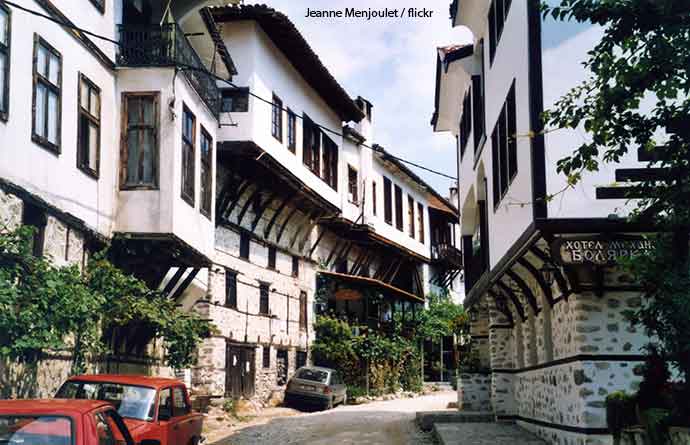
Bulgaria is one of Europe’s most overlooked retirement destinations. It combines relatively low living costs with EU membership, historic cities, mountains and a Black Sea coastline.
Sofia is the largest city and offers the broadest selection of hospitals, international transportation and services.
Plovdiv provides a warmer climate and a more relaxed atmosphere. Varna and Burgas appeal to people interested in coastal living.
Current crowdsourced estimates place one person’s monthly expenses in Plovdiv, excluding rent, at around $700. Rent and everyday services can be significantly less expensive than in Western European capitals.
Why Bulgaria may work for early retirees
Potential advantages include:
Affordable long-term rentals
Inexpensive local restaurants
Relatively low property prices outside prime districts
Four distinct seasons
Access to mountains and the Black Sea
Travel connections throughout Europe
However, Sofia is more expensive than smaller Bulgarian cities, and modern apartments in desirable districts command higher prices.
What matters for older residents
Bulgaria has cold winters, particularly inland. Heating system, insulation, elevator access and snow removal can matter more than the apartment’s appearance.
Many older buildings have:
Entrances with several steps
Small or unreliable elevators
Uneven pavements
Limited accessible parking
Poor insulation
Bathrooms not designed for reduced mobility
Language is another consideration. English is increasingly common among younger people and in some private businesses, but medical and administrative conversations may still require Bulgarian or translation assistance.
For someone with complicated health needs, living close to a major hospital in Sofia, Plovdiv, Varna or another larger city may be more practical than choosing the cheapest village property.
Those with mobility problems may find some towns and cities challenging. There are rarely access ramps to stores or public buildings, and apartment blocks are prone to broken-down elevators and steps to the foyer. Many sidewalks are badly maintained in the cities, and this only gets worse out in the villages.
If you have complex medical needs, then Pleven is renowned for some of the best hospitals and specialists in the country.
Can you obtain a Bulgarian retirement visa before 50?
Bulgaria’s long-stay Type D visa can be issued on several grounds, including pensioner status.
Pensioner applicants must document their pension and satisfy requirements covering accommodation, financial resources, criminal-record documentation and medical insurance with coverage of at least €30,000.
This route is based on being a recognized pensioner, not simply having enough investments to stop working at 45. Younger financially independent applicants may need another legal residence category.
Best for: People seeking low-cost European living, four seasons and access to both cities and nature.
Think carefully about: Winter heating, language, accessibility, healthcare location and the legal basis for residency.
Albania is becoming one of Europe’s most interesting destinations.
It offers a long Adriatic and Ionian coastline, mountain scenery, Mediterranean-style food and lower costs than many nearby countries.
Popular areas include:
Tirana
Durrës
Vlorë
Sarandë
Shkodër
Korçë
Sarandë is especially attractive during summer, but housing can become seasonal. An apartment offered cheaply in winter may cost considerably more during the tourist season.
Current rental estimates also show a substantial difference between central and outlying properties.
Why Albania appeals to early retirees
Albania may suit people who want:
Coastal living without Western Mediterranean prices
Fresh local food
Mild coastal winters
A smaller, less commercialized environment
Easy access to Greece, Italy and the Balkans
Tirana provides the widest range of services, while smaller coastal towns offer a slower lifestyle.
Considerations for older residents
Infrastructure can be inconsistent. New apartments may be modern, but pavements, roads, elevators and building access vary.
Medical planning is particularly important. Someone requiring regular complex treatment should investigate providers in Tirana and assess how practical it would be to travel from a coastal town.
Summer heat, winter quietness in resort areas and seasonal rental contracts should also be considered. A town that feels lively in July may feel completely different in January.
Albania’s pensioner residence permit
Albania’s residence permit for pensioners requires the applicant to be officially retired in their home country.
The law also requires evidence of an annual pension of at least ALL 1,200,000, an Albanian bank account, accommodation, health insurance covering at least one year and a criminal-record certificate. This permit does not provide the right to work.
As in Bulgaria, simply being financially independent before 50 may not be sufficient for the pensioner category.
Best for: People seeking affordable Mediterranean scenery and a less developed alternative to Southern Europe’s famous retirement destinations.
The Most Important Healthcare Questions Before Retiring Abroad
Low medical prices do not mean suitable medical care.
Before choosing a destination, research the specific condition and treatment you may need, not healthcare in general.
Ask:
Is there a suitable hospital within a reasonable distance?
Are the specialists you may need available locally?
Can you obtain your prescriptions in the same dosage and formulation?
Does your insurance cover pre-existing conditions?
Is there an upper age limit for joining or renewing the policy?
Must you pay first and claim reimbursement later?
Does the policy cover cancer, heart conditions and rehabilitation?
Is medical evacuation included?
What happens if you eventually need home care or assisted living?
Can you communicate with doctors in a language you understand?
For Americans, Medicare generally does not cover medical treatment outside the United States except in a small number of limited circumstances.
The U.S. State Department recommends obtaining insurance that covers medical and dental treatment abroad, as well as emergency evacuation where appropriate.
A healthy 48-year-old may focus on gym access and beaches. A realistic retirement plan must also consider what life could look like at 68 or 78.
Moving abroad does not always end your tax obligations at home.
U.S. citizens and resident aliens generally remain subject to U.S. taxation on worldwide income while living abroad.
Tax treaties, foreign tax credits, reporting requirements and local tax residency rules can all affect the final result.
Social Security payments can often be received outside the United States, but rules vary according to citizenship, country of residence and benefit type.
The Social Security Administration provides a screening tool for determining whether payments can continue in a particular situation.
Before moving, consult a professional familiar with both countries. Advice from an expatriate Facebook group cannot replace professional cross-border tax planning.
How to Test a Retirement Destination Before Moving
Never choose a permanent retirement destination based on a one-week vacation.
A resort visit tells you very little about:
Grocery shopping
Healthcare appointments
Banking
Administration
Internet reliability
Noise
Traffic
Seasonal weather
Loneliness
Everyday transportation
Rent for at least one to three months before making a major commitment. Ideally, visit during the destination’s least attractive season: the hottest month, rainy season, smoky season or winter.
During your trial stay:
Use local supermarkets rather than eating out every day.
Visit a hospital and pharmacy.
Test public transportation.
Walk through the neighborhood after dark.
Check noise during weekdays and weekends.
Measure actual monthly spending.
Speak with long-term residents, not only property agents.
Try completing a simple administrative task.
Test the journey to the airport.
Consider how you would manage without driving.
Renting before buying is especially important. It gives you the freedom to leave if the climate, healthcare, residency process or social environment does not suit you.
What Should Your Early-Retirement Budget Include?
A realistic budget should contain more than rent and food.
Include:
Rent and annual increases
Deposits and agency fees
Electricity and heating
Health insurance
Dental care
Medication
Visa renewals and legal fees
Tax preparation
Flights to visit family
Emergency travel
Transportation or car ownership
Home maintenance
Currency fluctuations
Medical evacuation
A long-term care reserve
An emergency relocation fund
Add a margin of at least 20% above your expected routine spending. A plan that only works when nothing goes wrong is not a secure retirement plan.
You may also like to read: Moving Pets Overseas. In this guide, we share tips for preparing, transporting, and then acclimatizing your pet to their new life abroad.
Frequently Asked Questions
What is the cheapest country in which to retire before 50?
Vietnam, Thailand, Bulgaria, Ecuador and Albania can all provide relatively low living costs. The cheapest option depends on housing, insurance and visa eligibility.
A country with $500 rent may not be truly inexpensive if you must leave every few months, buy costly insurance or fly long distances for specialist healthcare.
Which country has the easiest retirement visa for people under 50?
There is no universal answer. Mexico and Portugal have residence routes that may be based on financial resources rather than a fixed retirement age. Malaysia’s MM2H program accepts qualifying applicants from age 25 but requires significant capital. Panama may accept a younger applicant who already receives a qualifying lifetime pension.
Thailand’s retirement route generally starts at 50, while Bulgarian and Albanian pensioner permits require recognized pensioner status.
Can I retire abroad with $2,000 per month?
A $2,000 monthly budget may support a modest lifestyle in parts of Thailand, Vietnam, Ecuador, Bulgaria or Albania.
It will be less comfortable in expensive coastal resorts, central Lisbon, premium areas of Mexico or popular Costa Rican beach towns. Insurance, flights and medical costs also need to be included.
Is healthcare free for retirees abroad?
Access depends on residency, contributions, insurance and the country’s healthcare system.
Even where residents can eventually use public healthcare, many expatriates maintain private insurance for faster appointments, English-speaking providers or treatment outside the country.
Should I buy property when retiring abroad?
It is best to rent first and experience the location through different seasons.
Property ownership may not automatically grant residency. It can also create tax, inheritance, maintenance and resale complications. Obtain independent legal advice before signing anything or transferring money.
How much money should I save before retiring overseas?
Your required savings depend on your annual spending, age, investment returns, inflation, health and income sources.
Someone retiring at 45 must potentially fund 40 or 50 years of living expenses. Use conservative assumptions, maintain diversified assets and plan for increasing healthcare costs rather than multiplying one inexpensive year’s budget by your expected lifespan.
You may also like to read: Moving Abroad Checklist. In this guide, we have compiled a useful checklist for anybody moving overseas.
So, Where Could You Retire Before 50?
Each destination offers a different version of early retirement.
Choose Thailand for tropical living, convenience, and established expat communities.
Choose Vietnam for outstanding everyday value and an energetic lifestyle—provided you solve the long-term residency question.
Choose Mexico for variety and easier access to North America.
Choose Panama for a dollar-based economy and structured pensioner programs.
Choose Portugal for European living, infrastructure and access to the rest of the continent.
Choose Ecuador for affordability, mountain climates and dollar-based budgeting.
Choose Malaysia for modern Asian city living and strong amenities.
Choose Costa Rica for wildlife, nature and the pura vida lifestyle.
Choose Bulgaria for affordable living within the European Union.
Choose Albania for Mediterranean scenery at prices that may still be lower than in neighboring countries.
Don’t assume that the best destination is the one with the lowest rent. It is the place where your finances, legal status, health needs, climate preferences, and desired lifestyle can work together over many years.
Retiring before 50 is possible for some people, but the success involves more than moving somewhere with $3 meals and sunny beaches.
It requires a legal residency plan, appropriate insurance, tax preparation, a healthcare strategy and enough financial flexibility to adapt as life changes.
Visa rules, financial requirements, tax laws and healthcare arrangements can change. Confirm current requirements with the relevant government authorities and qualified legal, tax and financial professionals before relocating.
Good luck with your move and be sure to visit our international home moving blog, which is packed with guides to make every aspect of your move easier, cheaper, and safer.
*At MoveAdvisor we will connect you with a professional moving company. Please note that we may not be affiliated with
and you may be speaking with another licensed provider.
We use cookies to optimise your experience.Accept and close or Learn more














Share your thoughts by leaving a comment