



Imagine being able to start over for less than the average cost of a budget second-hand car.
A new country, a fresh start, new opportunities, and a better quality of life for just $10k seems impossible. But it’s not, although you will need to be realistic and have sensible spending habits.
In this week’s home moving blog, we see where in the world you can comfortably set up a new life with $10k without living like a pauper.
How Far Can $10,000 Go Abroad?
If you spend like you are on vacation, then $10,000 probably won’t last a couple of months.
But if you keep your fixed costs low, rent modestly, avoid big upfront commitments, and use the first few months to secure an income, build contacts, explore different neighborhoods, and understand how the locals live, then $10,000 can go surprisingly far.
Here is a rough idea of what $10,000 can mean in each country, assuming a single person is living modestly but not miserably:
| Country | Estimated Monthly Budget | How Long $10,000 Could Last |
| Vietnam | $700–$1,200 | 8–14 months |
| Thailand | $1,000–$1,800 | 5–10 months |
| Georgia | $1,000–$1,500 | 6–10 months |
| Bulgaria | $1,000–$1,800 | 5–10 months |
| Mexico | $1,500–$2,500 | 4–6 months |
| Paraguay | $1,000–$1,800 | 5–10 months |
| Ecuador | $1,200–$2,000 | 5–8 months |
| Albania | $1,000–$1,800 | 5–10 months |
| Malaysia | $1,200–$2,000 | 5–8 months |
| Panama | $1,800–$2,800 | 3–5 months |
These are not guaranteed numbers; your rent, city, healthcare needs, visa costs, and personal habits can completely change the result.
But the comparison is useful because it demonstrates that in some countries, $10,000 gives you only a long vacation, whilst in others it gives you nearly a year to build your new life.
You may also like to read: Top Countries for Americans to Retire Abroad. In this guide, we look at countries that make the most sense to retire to.
1. Vietnam
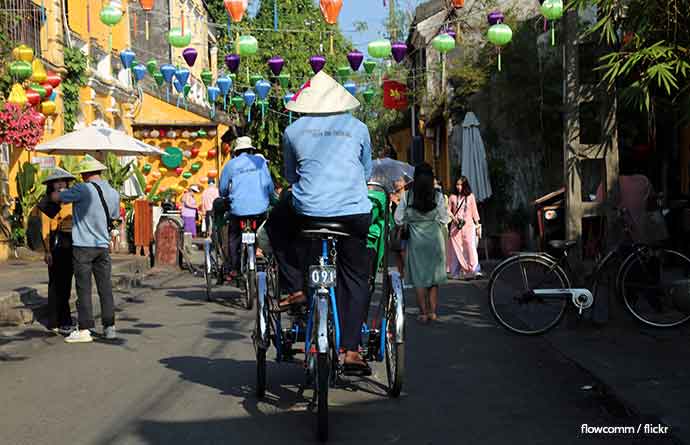
Vietnam is one of the best countries to consider if you want your $10,000 to last as long as possible.
Many expats and digital nomads live in Vietnam on roughly $700 to $1,200 per month, depending on the city and lifestyle.
Ho Chi Minh City and Hanoi are more energetic and better for networking, while places like Da Nang can offer a more relaxed coastal lifestyle.
The biggest advantage of Vietnam is value for money. Food is affordable, local transport is inexpensive, and even a modest apartment is impressive compared with what the same money would buy in many Western cities.
Vietnam also has an official e-visa system, and the Vietnamese Immigration Department states that the e-visa can be valid for up to 90 days with single or multiple entry, depending on the application. That makes Vietnam easier to try before making any long-term decision.
Why Vietnam works for a fresh start:
- You can live cheaply without feeling isolated.
- There are active expat communities, especially in Da Nang, Ho Chi Minh City, and Hanoi.
- Internet access is generally good in major cities
- The food culture is one of the best in the world.
Best for:
- Remote workers
- Freelancers
- English teachers
- Online business owners
- Anyone who wants the best start from $10,000.
Main challenge:
The language barrier can be a problem, and long-term visa planning is required. Vietnam is fantastic for buying time, but you should not arrive assuming you can stay indefinitely without a proper plan.
2. Thailand
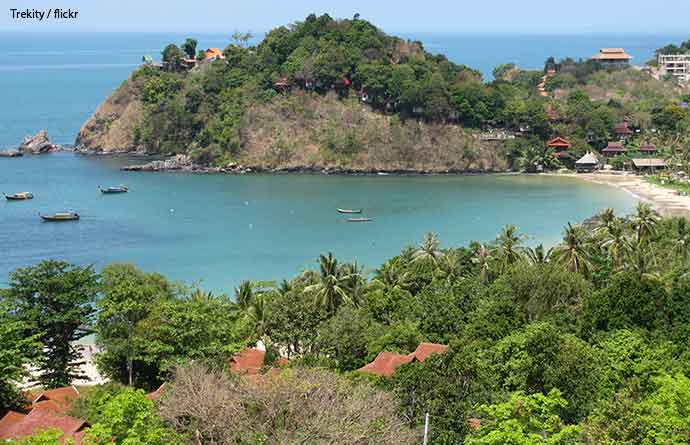
Thailand remains one of the most popular countries in the world for people who want to start over abroad.
It has beaches, mountains, temples, modern malls, coworking spaces, strong expat communities, and a lifestyle that can be either very affordable or surprisingly expensive depending on your choices.
A modest lifestyle in Thailand often falls somewhere between $1,000 and $1,800 per month.
Chiang Mai is still one of the best-known digital nomad bases, Bangkok is better for energy and opportunity, and islands like Koh Samui or Phuket can be beautiful but more expensive.
Thailand also has more defined visas for remote workers than it used to. The Destination Thailand Visa, often discussed as a digital nomad-style visa, allows multiple entries and a maximum stay of 180 days per entry, according to Thai embassy information.
Why Thailand works for a fresh start:
- It is easy to settle and find other people doing the same thing.
- Thailand has a robust expat infrastructure: coworking spaces, furnished rentals, international hospitals, gyms, cafés, visa agents, and communities for almost every interest.
Best for:
- Digital nomads
- Wellness-focused movers
- Content creators
- Remote workers
- People who want comfort without Western prices.
Main challenge:
Thailand is easy to enjoy, which is exactly the danger. Many people arrive with a six-month plan and somehow wake up years later explaining cryptocurrency to tourists in a beach café.
If your goal is a real reset, build structure into your move from day one.
You may also like to read: International Moving Costs. In this guide, we discover how much, on average, it costs to move abroad, budgeting tips, and key costs to watch out for.
3. Georgia
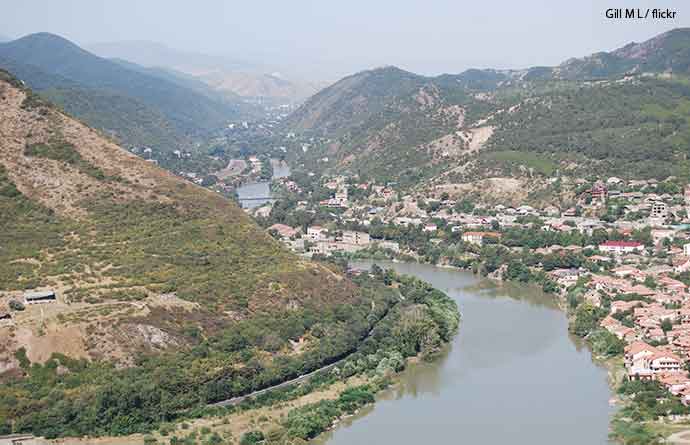
Georgia has become one of the most interesting countries for people looking to start over with a limited budget.
Tbilisi offers a mix of old architecture, modern cafés, mountain access, good food, and an international atmosphere.
Many expats spend around $1,000 to $1,500 per month, with rent often in the $400 to $800 range depending on the neighborhood and apartment quality.
Georgia’s big advantage is flexibility. Its official tourism portal says citizens of many countries, including the United States, can enter Georgia without a visa and stay for a full year; citizens of EU member states also have the right to enter without a visa and stay for a full year.
That one-year window can be very useful if you are trying to rebuild your life without constantly worrying about short visa runs.
Why Georgia works for a fresh start:
- It offers a rare combination of affordability
- Beautiful scenery
- Good internet
- Generous stay rules for many nationalities
- You can live in Tbilisi, explore the Caucasus Mountains, and still keep expenses relatively controlled.
Best for:
- Remote workers
- Solo movers
- Entrepreneurs
- Writers
- People who want a European-feeling lifestyle without EU-level costs.
Main challenge:
Prices in Tbilisi have risen compared with the pre-2020 era, and winter can feel gray and cold. It is still affordable, but it is not the ultra-cheap secret it once was.
4. Bulgaria
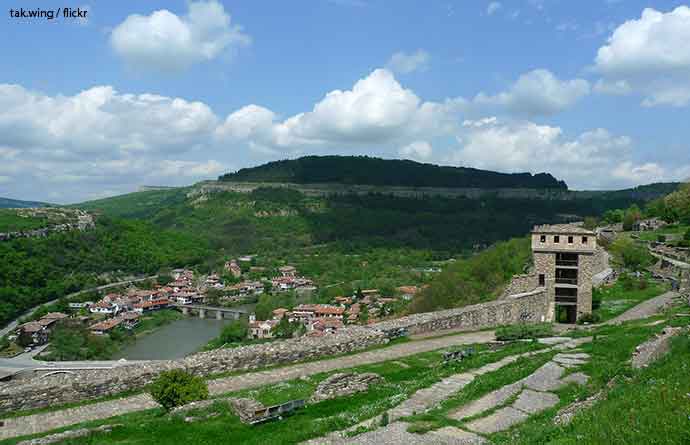
Bulgaria is one of the best European options for starting over on a smaller budget.
It gives you access to the European lifestyle without the same rental costs you would find in cities like Paris, Amsterdam, Dublin, or London.
Sofia is the main business and tech hub, Plovdiv is artistic and walkable, Varna and Burgas are on the Black Sea, and smaller towns can be much cheaper.
Many expats can live comfortably in Bulgaria on around $1,000 to $1,800 per month.
Rent is still reasonable compared with much of Western Europe, public transport is affordable, and food costs can be manageable if you shop locally.
Bulgaria is part of the Schengen framework for short stays, and the Bulgarian Ministry of Foreign Affairs explains that Schengen short-stay rules generally allow no more than 90 days in any 180 days. Long-stay visas and residence permits are separate from short tourist stays.
Why Bulgaria works for a fresh start:
- It is a practical European base with good internet
- Low taxes compared with many EU countries
- Mountains, beaches, and growing international communities
- For people who want Europe but cannot justify Western European prices, Bulgaria deserves serious attention.
Best for:
- Remote workers
- EU citizens
- Entrepreneurs
- People interested in Europe
Main challenge:
For non-EU citizens, long-term residence requires planning. Also, bureaucracy can be slow, and English is not widely spoken outside the bigger cities.
Beware if you have visited Bulgaria a few years ago and expect everything to still be the same price. Prices have risen significantly in the last year or so, but Bulgaria is still a great place to call home.
You may also like to read: The Ultimate Guide to Moving to Bulgaria. In this guide, we explain all you need to know about moving to and living in Bulgaria.
5. Mexico
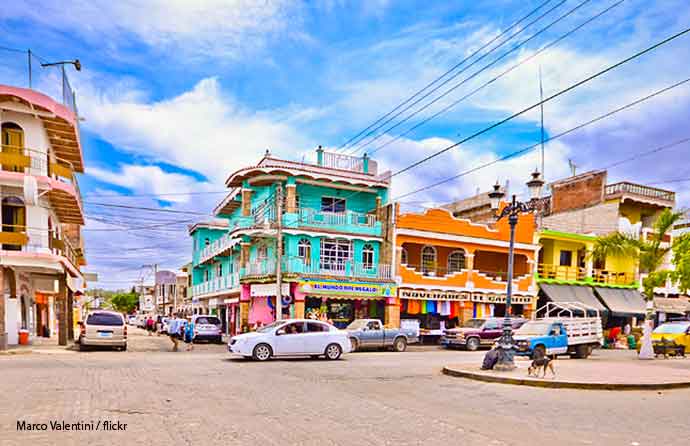
Mexico is one of the most realistic countries for Americans and Canadians seeking a fresh start because it is close, culturally rich, and full of different lifestyle options.
You can choose a large city like Mexico City, a colonial city like Mérida or Querétaro, a beach destination like Playa del Carmen, or a quieter expat-friendly town. The range is huge, and so are the budgets.
Monthly expenses often fall between $1,500 and $2,500, depending on where you live.
Mexico is not always the ultra-cheap option people imagine, especially in popular expat areas, but it still offers great value compared with many U.S. cities.
For tourist stays, visitors from many countries do not need a visa, but the number of days granted is written into the passport or visitor record on arrival.
US government travel guidance notes that tourists receive a stamp with the number of days allowed, and border officials may ask for proof of accommodation, onward travel, or enough money for the stay.
Mexico’s visitor permit can allow up to 180 days, but recent visitor guidance emphasizes that 180 days is a maximum, not an automatic guarantee.
Why Mexico works for a fresh start:
- It offers convenience. You are not moving to the other side of the world.
- Flights are relatively easy from the U.S.
- Time zones work well for remote work
- There are large expat communities in many cities.
Best for:
- Remote workers with U.S. clients
- Retirees
- Entrepreneurs
- Spanish learners
- People who want a fresh start without being too far from America.
Main challenge:
Popular areas can be expensive, and safety varies a lot by region. Choosing the right city matters more here than almost anywhere else on this list.
6. Paraguay
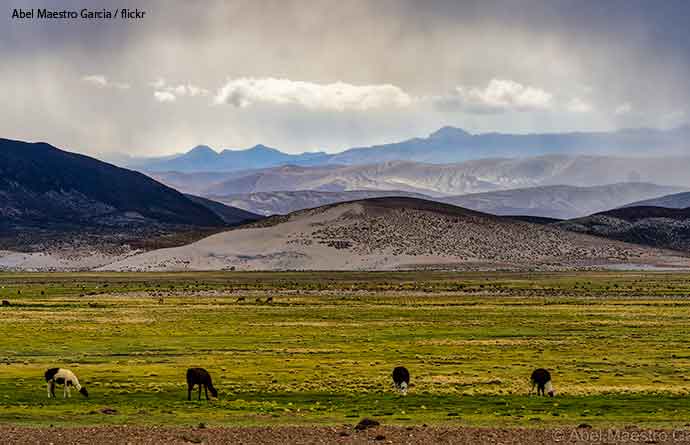
Paraguay does not get the same attention as Mexico or Thailand, and that is part of its appeal.
It is slower, less crowded with expats, and often more affordable.
Many expats spend around $1,000 to $1,800 per month, depending on lifestyle and location. Asunción offers the most services and business opportunities, while smaller cities and towns can offer a much quieter life.
The main appeal of Paraguay is that it still feels undiscovered.
Housing can be affordable, competition is lower, and the pace of life is calmer. For someone tired of high-pressure cities and constant financial stress, that alone can be a major advantage.
Why Paraguay works for a fresh start:
- Your money can go far
- You are not competing with thousands of other digital nomads for the same apartments, cafés, and lifestyle.
- It can be a good place to reset financially and mentally.
Best for:
- People who want a slower pace
- Lower competition
- Warmer weather
- A more off-the-radar destination.
Main challenge:
Paraguay is not such a trodden path for expats as some other countries. You may need more Spanish, more patience, and more independence to make it work.
You may also like to read: Moving Abroad Checklist. This is a practical checklist to ensure that your move abroad is as smooth and easy as possible. From research to emotional preparation, this guide is super useful.
7. Ecuador
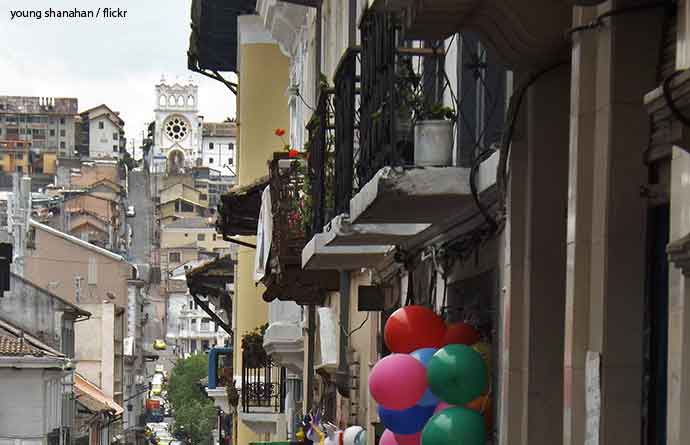
Ecuador is a good option for people who want affordability, natural beauty, and a more established expat path.
You can choose mountain cities like Cuenca, coastal towns, or larger urban areas like Quito.
Many expats live comfortably on around $1,200 to $2,000 per month, depending on rent and lifestyle.
Ecuador is especially popular with retirees and semi-retirees, but it can also work for remote workers and people seeking a slower, more affordable life.
Healthcare is often one of the major attractions, especially for people coming from countries with high medical costs.
For tourist stays, U.S. travel guidance says a visa is required for stays longer than a total of 90 days in any consecutive 12-month period, and travelers need an approved visa before travel if staying longer.
Why Ecuador works for a fresh start:
- You can live in the mountains, near the coast, or in a historic city.
- The U.S. dollar is used as Ecuador’s official currency, which simplifies budgeting for Americans.
Best for:
- Retirees
- Remote workers
- Nature lovers
- People looking for a slower lifestyle with good value.
Main challenge:
Altitude can be an issue in cities like Quito and Cuenca. Safety varies by area, so, like Mexico, Ecuador requires careful city and neighborhood research.
8. Albania
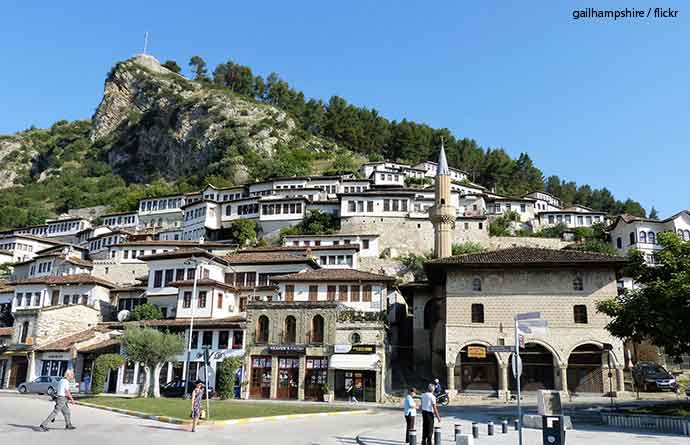
Albania is quickly gaining popularity, especially from people who want a Mediterranean lifestyle without Mediterranean prices.
It has beaches, mountains, lively cities, and a rapidly growing tourism sector. Tirana is energetic and changing quickly, while coastal areas like Saranda and Vlora attract people looking for sea views and lower costs than Greece, Italy, or Croatia.
A realistic monthly budget for many newcomers is around $1,000 to $1,800, although coastal rents can rise in summer.
Albania is no longer completely unknown, but it is still more affordable than many European coastal destinations.
For U.S. citizens, the U.S. Department of State says a tourist visa is not required and that U.S. citizens may stay up to one year in Albania without applying for a residency permit. Albania’s Ministry for Europe and Foreign Affairs also explains that Type C visas generally cover 90 days within 180 days, while Type D visas are for those intending to reside more than 90 days within 180 days when a visa is required.
Why Albania works for a fresh start:
- It gives you a European coastal lifestyle for very little money
- It is especially attractive if you want sunshine, sea access, and a growing expat scene without paying Portugal or Spain prices.
Best for:
- Americans looking for a longer trial stay
- Remote workers
- Beach lovers
- People who want Europe without the usual European price tag.
Main challenge:
Infrastructure is improving but patchy across the country. Some areas are seasonal, and summer tourist areas can be more expensive than expected.
9. Malaysia
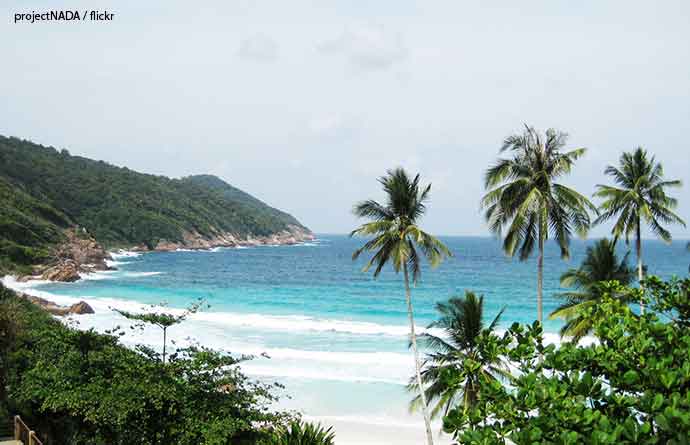
Malaysia is one of the best options if you want affordability without feeling like you are giving up modern comfort.
Kuala Lumpur has excellent infrastructure, fast internet, malls, hospitals, public transport, international food, and a strong airport hub.
Penang offers food culture, history, and a slower pace. Other areas can be even cheaper.
Many expats spend between $1,200 and $2,000 per month. Malaysia is not the cheapest country in Southeast Asia, but it offers a very good balance between cost and quality of life.
Malaysia also has a formal digital nomad route. The Malaysian government’s digital services portal says the DE Rantau Nomad Pass allows qualified foreign digital nomads to work remotely from Malaysia for up to 12 months, with an option to renew for another 12 months. MDEC describes DE Rantau as Malaysia’s flagship digital nomad initiative, designed around connectivity, nomad-ready hubs, and remote work infrastructure.
Why Malaysia works for a fresh start:
- It is modern, comfortable, and practical
- Healthcare is good
- English is widely used in major cities
- The food is outstanding
- It is a place where a fresh start does not have to feel like a downgrade.
Best for:
- Remote workers
- Tech professionals
- Families
- Retirees
- People who want Southeast Asia with strong infrastructure.
Main challenge:
Long-term visa requirements can be more structured than in some cheaper countries. Also, Kuala Lumpur can become expensive if you choose a high-end lifestyle.
10. Panama
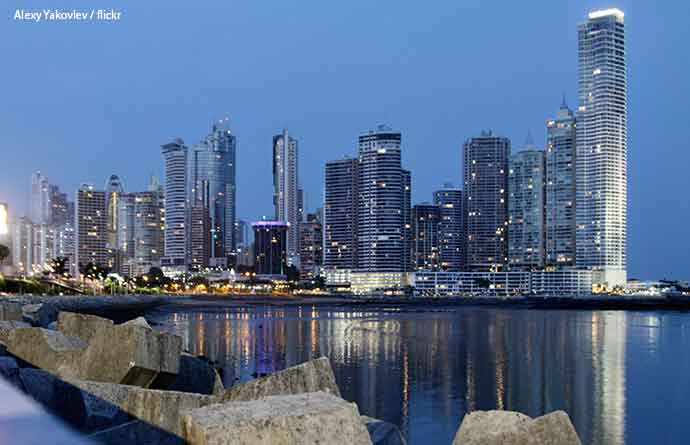
Panama offers something different: convenience and stability more than extreme cheapness.
For Americans, Panama has one major advantage: it uses the U.S. dollar. That makes budgeting easier and removes exchange-rate confusion.
Panama City has modern infrastructure, international banking, hospitals, restaurants, and a skyline that feels more Miami than backpacker hub.
But Panama is not the cheapest country on this list.
A realistic monthly budget may be closer to $1,800 to $2,800, especially in Panama City or popular expat areas.
That means $10,000 will not last as long here as it would in Vietnam, Paraguay, or Georgia.
The Embassy of Panama notes that U.S. citizens do not need a visa for entry, but they need a valid passport and a round-trip ticket. It also notes that certain residency applications must be submitted in Panama through a lawyer.
Why Panama works for a fresh start:
- The dollar economy
- Modern services
- Tropical weather
- Established expat communities make it easier for many newcomers to adapt.
Best for:
- Retirees
- Entrepreneurs
- Americans
- People who value convenience over the lowest possible cost.
Main challenge:
Your money does not stretch as far. Panama can be a great place to restart, but it can be tough if you arrive without income.
You may also like to read: Guide to Moving to Europe. In this guide, we look at the pros and cons, things to take into consideration, and some useful tips for moving to Europe.






Share your thoughts by leaving a comment