For a lot of us, the rising cost of living feels overwhelming: Rent keeps climbing. Groceries cost more every week. Health insurance feels like a second mortgage. And even a meal out seems like an expensive luxury.
Many people are trying to find a way to make their money go further and still have a reasonable quality of life, and are turning their attention to living overseas.
So in this week’s home moving blog, we decided to see where you could realistically live on a budget of $2,000 a month.
Can You Comfortably Live on $2,000 a Month Abroad?
Can Americans really live abroad on $2,000 a month? We discovered that yes, it is possible, but with a few important caveats.
There are countries where a person can live comfortably on around $2,000 a month, especially if they avoid major tourist areas. In some places, that budget should be enough to cover rent, food, transportation, healthcare, utilities, and a decent social life.
In others, $2,000 will only be enough if you choose your city carefully and avoid living like you are on vacation every day.
But before we get into the countries, it is worth being honest about what “living comfortably” means.
A $2,000 monthly budget is enough if you are:
Budget conscious
Renting a modest home instead of a luxury penthouse
Using public transportation or walking when possible
Eating local food instead of imported U.S. brands
Avoiding expensive tourist areas
Carrying private health insurance or local coverage where required
It may not be enough if you want:
A large home in the capital city
International schools for children
A car, driver, maid, and frequent travel
Luxury beachfront living
U.S.-style healthcare access at all times
A lifestyle built around imported goods and Western restaurants
A country may seem affordable, but if you choose the most popular expat neighborhood and want to live a very Western way of life, your budget can disappear quickly.
You may also like to read: Countries that will Pay You to Move There. In this guide, we look at 5 countries that will pay you to move there and what the criteria are for each offer.
How Much do Movers Cost?
Save up to 40% on your upcoming move and get a quote from reputable moving experts.
Best Countries Where Americans Can Live on Around $2,000 a Month
Country
Best For
Estimated Monthly Budget
Visa Situation for Americans
Main Caution
Portugal
Europe, healthcare, lifestyle
$1,700–$2,500
90 days visa-free, long-stay visa needed after that
Lisbon and Porto are expensive
Mexico
Proximity to the U.S., food, culture
$1,200–$2,200
Tourist stays up to 180 days; residency requires financial proof
Safety varies strongly by state and city
Thailand
Low costs, food, and digital nomads
$1,000–$2,000
60 days visa-free, longer stays need visa options
Visa rules and extensions matter
Vietnam
Beaches, food, value
$1,000–$1,800
E-visa required, up to 90 days
No easy long-term retirement visa
Colombia
Climate, Medellín, lifestyle
$1,200–$2,000
90 days visa-free, up to 180 days per year; nomad visa possible
The current U.S. advisory is more serious
Malaysia
Modern cities, healthcare, infrastructure
$1,200–$2,200
90 days visa-free; digital nomad pass available
Humidity and distance from the U.S.
Bulgaria
Low-cost EU living
$1,100–$1,800
90 days visa-free; long-stay Type D visa needed
Language barrier outside major cities
Panama
Retirees, warm weather, U.S. ties
$1,700–$2,500
No tourist visa for Americans; Pensionado visa popular
Panama City can be pricey
These numbers are estimates for a comfortable but not extravagant lifestyle. If you’re careful, it is possible to spend less in many of these countries. Conversely, a more affluent lifestyle can easily cost much more.
You may also like to read: Best Countries for Americans to Move to. Without the $2000 a month budget, we look at the best countries for Americans to move to and why.
1. Portugal
Understandably, Portugal is one of the most popular destinations for Americans moving abroad. You get European charm, Atlantic coastlines, mild weather, excellent food, walkable cities, and a slower pace of life that many Americans long for.
The country has become especially attractive to retirees, remote workers, and people who want access to Europe without paying Switzerland or France prices.
Cost of Living in Portugal
Portugal is not as cheap as it used to be, especially in Lisbon, Porto, and popular coastal areas. But, compared with many U.S. cities, it can offer great value.
Somebody living outside the most expensive neighborhoods may be able to live on around $1,700 to $2,300 per month. Smaller cities such as Braga, Coimbra, Aveiro, or parts of the Algarve outside peak tourist areas are better value than Lisbon.
This is a realistic monthly budget:
Rent for a one-bedroom apartment: $800–$1,300
Utilities and internet: $120–$200
Groceries: $300–$450
Transportation: $50–$150
Healthcare insurance and out-of-pocket care: $75–$250
Eating out and entertainment: $250–$500
Lisbon is beautiful, international, and with lots of opportunities, but rents have risen sharply. If your budget is strictly $2,000, Lisbon may not be affordable unless you find a good rental deal.
Visa Requirements for Americans
U.S. citizens can visit Portugal for short stays without a visa, but living there long-term requires planning.
Common visa routes include:
D7 Visa: Often used by retirees or people with passive income.
D8 Digital Nomad Visa: Designed for remote workers with foreign income.
Student or work visas: For people studying or employed in Portugal.
Portugal’s digital nomad visa generally requires proof of steady remote income, and the income threshold is tied to the Portuguese minimum wage. Requirements can change, so always check the latest rules before applying.
Safety in Portugal
Portugal is generally considered one of the safer countries in Europe. Violent crime is relatively low, and most problems people face involve petty theft, pickpocketing, or scams in tourist areas.
As with most countries, be especially alert on public transportation, in crowded tourist streets, and around nightlife areas.
Healthcare in Portugal
Portugal has a good healthcare system with both public and private options.
Residents may be able to access the public system, but many expats also carry private insurance because it can make appointments faster and easier.
Private healthcare is usually much cheaper than in the United States. For routine care, Portugal can be a major improvement for Americans used to high deductibles and surprise bills.
Pros of Moving to Portugal
Portugal offers a high quality of life, mild climate, beautiful cities, and a strong expat community. It is also a good base for traveling around Europe. The food is excellent, life is more relaxed than in many parts of the U.S., and healthcare is one of the biggest advantages.
Cons of Moving to Portugal
The biggest drawback is rising housing costs. Lisbon and Porto are no longer bargain destinations. Bureaucracy can also be slow, especially for residency appointments, tax registration, and paperwork. Salaries are relatively low if you plan to work locally.
Best Places to Consider
Braga
Coimbra
Aveiro
Setúbal
Caldas da Rainha
Smaller towns in the Algarve
Porto suburbs
Bottom Line on Portugal
Portugal is one of the best choices for Americans who want an affordable European lifestyle, good healthcare, and a comfortable way of life.
Just do not assume $2,000 a month finances a luxury lifestyle in Lisbon. Living outside the cities is where life is really affordable.
You may also like to read: Moving to Europe. Discover all you need to know about moving to Europe in this guide. From choosing where to move, things to take into consideration, checklists, and practical tips, it is invaluable reading.
2. Mexico
Mexico has been one of the most popular destinations for American expats for decades.
It is close to the U.S., culturally rich, affordable in many regions, and full of cities where foreigners can live comfortably without feeling isolated.
It also helps that the food is amazing. If saving money while eating tacos several times a week sounds appealing, Mexico could be for you.
Cost of Living in Mexico
Mexico’s cost of living varies dramatically on where you intend to live. Mexico City, Playa del Carmen, Tulum, and parts of Los Cabos can be expensive. But cities like Mérida, Querétaro, Puebla, Guanajuato, and San Miguel de Allende can still offer good value.
You can live well on $1,200 to $2,000 per month, depending on rent and lifestyle.
A realistic monthly budget is:
Rent: $500–$1,100
Utilities and internet: $100–$180
Groceries: $250–$400
Transportation: $50–$200
Healthcare and insurance: $100–$300
Restaurants and entertainment: $250–$500
Mexico is also one of the easiest countries for Americans who want a life abroad without moving across the world. You can visit, explore cities, and fly home relatively easily if needed.
Visa Requirements for Americans
Americans can visit Mexico for tourism without applying for a visa in advance for shorter stays, but the exact number of days granted is determined by Mexican immigration at entry.
For stays beyond tourist limits, you need legal residency.
Common options include:
Temporary Resident Visa: Often used by retirees, remote workers, and people with sufficient income or savings.
Permanent Resident Visa: Usually requires higher income, savings, or qualifying family ties.
Financial requirements vary by consulate, so do not rely on one number from the internet. Check the specific Mexican consulate where you plan to apply.
Safety in Mexico
Some cities and regions are popular with expats and feel safe day-to-day. Other areas have serious levels of crime and should be avoided.
Safety depends on the state, city, and neighborhood. Mérida, Querétaro, and parts of Mexico City are often popular with foreigners, while certain border areas and cartel-affected regions require much more caution.
Research specific neighborhoods, not just the country.
Healthcare in Mexico
Mexico has good private healthcare in major cities, and many Americans travel there for dental work, elective procedures, and routine medical care. Costs are often much lower than in the U.S.
However, private hospitals may require payment upfront, and U.S. insurance or Medicare usually will not cover care.
Expats should budget for private insurance, local coverage, or out-of-pocket payments.
Pros of Moving to Mexico
Mexico is close to the U.S., affordable, culturally rich, and full of established expat communities. The food, climate, and lifestyle are excellent. You have the choice of beach towns, colonial cities, major urban centers, or quieter mountain towns.
Cons of Moving to Mexico
Safety varies widely, and you need to be careful about where you live and travel. Some of the expat-heavy areas have become more expensive. Bureaucracy can be confusing, and dealing with immigration, banking, or local services may require patience and a good grasp of the Spanish language.
Best Places to Consider
Mérida
Querétaro
Puebla
Guanajuato
San Miguel de Allende
Lake Chapala
Oaxaca
Mexico City, if your budget allows
Bottom Line on Mexico
Mexico is one of the most practical choices for Americans who want affordability without being too far from home.
The key is choosing the right city and being realistic about safety, healthcare, and residency rules.
You may also like to read: How Moving Affects Children. Moving out of the country is a huge deal for anybody, but how does it affect children? In this guide, we find out what the experts say.
3. Thailand
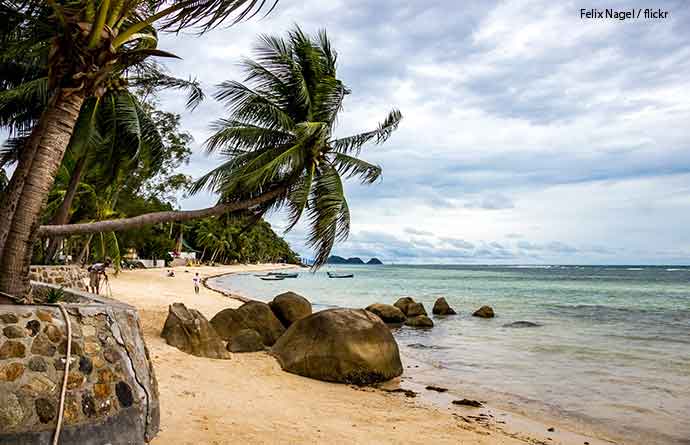
Imagine eating fish, fresh off the boat, cooked on the beach, for a dollar, picking pineapples from the side of the road where they grow wild, and swimming in crystal clear waters every day. That was my life when I lived in a village just outside Hua Hin.
Thailand offers beautiful scenery, friendly communities, excellent food, modern apartments, and some of the best value in Asia. Which is why it has been a favorite for retirees, remote workers, and the budget-conscious for years.
For many Americans, Thailand is where living better for less is very achievable.
Cost of Living in Thailand
Thailand can be extremely affordable, especially outside Bangkok and the major islands.
Chiang Mai is one of the most popular cities for digital nomads because it has low costs, good internet cafes, coworking spaces, and a large international community.
You can live comfortably on $1,000 to $1,800 per month in many areas. Bangkok, Phuket, and luxury beach areas are more expensive.
A realistic monthly budget is:
Rent: $350–$900
Utilities and internet: $80–$160
Groceries: $200–$350
Local food and restaurants: $200–$450
Transportation: $50–$200
Healthcare and insurance: $100–$300
The food in Thailand is incredible. Eating local meals can be amazingly cheap, and the quality is usually excellent.
Visa Requirements for Americans
Americans can usually enter Thailand for short tourist stays without a tourist visa, but longer stays require a proper visa. Thailand also has visa options for retirees, students, and remote workers.
One important option is the Destination Thailand Visa, often used by digital nomads and remote workers. It can allow longer stays, but it has financial and document requirements.
Visa rules in Thailand can change, and overstaying can cause serious problems. If Thailand is on your list, research your visa options thoroughly.
Safety in Thailand
Thailand is ideal for many expats, but there are safety concerns. Petty theft, road accidents, and scams can happen. Motorbike accidents are frequent and are a major risk, especially for new arrivals.
Some areas in the far south have additional security concerns, and travelers should check current guidance before visiting those regions.
Healthcare in Thailand
Thailand has excellent private hospitals in Bangkok, Chiang Mai, Phuket, and other major cities. It is also a major medical tourism destination.
Routine appointments, dental care, and specialist visits can be much cheaper than in the U.S. However, foreigners should carry insurance because hospitalization can become expensive quickly.
Pros of Moving to Thailand
Thailand offers low living costs, great food, many digital nomad communities, good private healthcare, and a relaxed lifestyle. You can live in a mountain city, a beach town, or a major city depending on your lifestyle.
Cons of Moving to Thailand
Getting a visa can be complicated. Heat and humidity can be intense. Language barriers can be a problem outside expat areas. Traffic, especially in Bangkok, can be scary and frustrating. Also, Thailand is far from the U.S., which is important if you need to visit family often.
Best Places to Consider
Chiang Mai
Bangkok
Hua Hin
Phuket
Koh Samui
Chiang Rai
Krabi
Bottom Line on Thailand
Thailand is one of the best options for Americans who want a lower cost of living, great food, and a warmer lifestyle. It is especially appealing for remote workers and retirees, but pay special attention to your visa plan.
You may also like to read: Best Countries to Retire to. In this guide, we suggest 8 great places to retire to, why, and how to make it happen.
4. Vietnam
Vietnam has become one of the best-value destinations in the world.
It has bustling cities, beautiful coastlines, incredible food, and a cost of living that can make an American budget go much further.
Da Nang, in particular, has become popular with expats because it offers beaches, modern apartments, and city convenience without the price tag of bigger global hubs.
Cost of Living in Vietnam
Vietnam is one of the most affordable countries on this list. You can live comfortably on $1,000 to $1,700 per month, especially in Da Nang or smaller cities.
Ho Chi Minh City and Hanoi can be more expensive, but still affordable compared with most U.S. cities.
A realistic monthly budget is:
Rent: $350–$800
Utilities and internet: $70–$150
Groceries: $200–$350
Restaurants and cafes: $200–$400
Transportation: $40–$150
Healthcare and insurance: $80–$250
Street food and local restaurants are amazing value. You can eat well without spending much, especially if you enjoy Vietnamese food.
Visa Requirements for Americans
Vietnam requires a visa for U.S. citizens. The e-visa system can allow stays of up to 90 days, with single or multiple entry options.
The harder part is long-term living. Vietnam does not have the same straightforward retirement visa options as some other countries. Many foreigners rely on work permits, business arrangements, investor visas or repeated visa planning.
If you want a simple retiree visa, Vietnam may not be the easiest choice. If you are flexible and mobile, it can still be a fantastic place to live.
Safety in Vietnam
Vietnam is generally considered safe for day-to-day life, especially regarding violent crime. The more common risks are petty theft, bag snatching, traffic accidents, and scams.
Crossing the street in major cities can feel scary at first because of the motorbike traffic. You do get used to it, but the first week can feel like a live-action video game.
Healthcare in Vietnam
Healthcare quality varies. Major cities have international clinics and private hospitals, but rural healthcare may be limited.
For serious conditions, some expats travel to Thailand, Singapore, or back home.
Private insurance is important if you plan to live there long-term.
Pros of Moving to Vietnam
Vietnam is affordable, energetic, and full of opportunity. The food is excellent, rent can be low, and the country has beautiful beaches, mountains, and cities. It is a great option for adventurous remote workers and younger expats.
Cons of Moving to Vietnam
The long-term visa path can be difficult. Traffic is chaotic. English is not as widely spoken as in some expat hubs. Healthcare is improving, but it is not as good as in Thailand or Portugal for retirees with complex medical needs.
Best Places to Consider
Da Nang
Ho Chi Minh City
Hanoi
Nha Trang
Hoi An
Da Lat
Bottom Line on Vietnam
Vietnam offers some of the best value in the world, especially for remote workers and flexible expats.
It is not the easiest country for long-term residency, but if your visa situation works, $2,000 can go a very long way.
Colombia, especially Medellín, has attracted many Americans looking for good weather, lower costs, and a vibrant lifestyle. Medellín is often called the “City of Eternal Spring” because of its pleasant climate.
For people tired of harsh winters or expensive U.S. cities, that’s enough reason to start searching for a new home.
Cost of Living in Colombia
You can live comfortably in Colombia on $1,200 to $2,000 per month, depending on the city and neighborhood.
Medellín is more expensive than it used to be, especially in popular neighborhoods like El Poblado. But there are still areas where costs are lower.
A realistic monthly budget is:
Rent: $500–$1,100
Utilities and internet: $80–$160
Groceries: $250–$400
Transportation: $50–$150
Healthcare and insurance: $100–$300
Restaurants and entertainment: $250–$500
Colombia can be very affordable, but the lifestyle you lead can affect that greatly.
Visa Requirements for Americans
Americans can visit Colombia without a tourist visa for shorter stays, typically up to 90 days, with cumulative annual limits. For longer stays, Colombia offers several visa routes, including retirement, investment, and digital nomad options.
Colombia’s digital nomad visa can be attractive for remote workers earning income from outside Colombia, but it requires documentation, proof of income, and health insurance.
Safety in Colombia
Safety in Colombia is patchy. I have backpacked solo, off the beaten track, in some quite dodgy areas extensively in Colombia and never had a problem.
But the number of crime reports indicates that not everyone has such a good experience.
Many expats live happily in Medellín, Bogotá, Cartagena, and other cities. But Colombia also has real safety concerns, and the U.S. travel advisory is more cautious than for many other countries on this list.
The risks include crime, scams, robberies, dating app crimes, civil unrest, and dangerous regions near borders.
This means you should choose your location carefully, avoid risky behavior, and take local advice seriously.
In Colombia, lifestyle matters. Flashing expensive watches, using street taxis, walking alone late at night in unfamiliar areas, or meeting strangers without precautions can be risky.
Healthcare in Colombia
Colombia has good healthcare in major cities, and many expats praise the quality and affordability of private care. Medellín and Bogotá have modern hospitals and specialists.
As with most countries abroad, U.S. Medicare does not apply, and private hospitals may require payment or proof of insurance.
Pros of Moving to Colombia
Colombia offers great weather, beautiful landscapes, friendly people, affordable living, and lively cities. Medellín in particular has a strong expat and digital nomad scene. Healthcare in major cities can be very good for the price.
Cons of Moving to Colombia
Safety is usually the biggest concern. You need to be sensible, and some areas should be avoided entirely. Spanish is important for daily life. Also, popular expat neighborhoods have become more expensive.
Best Places to Consider
Medellín
Bogotá
Manizales
Armenia
Pereira
Bucaramanga
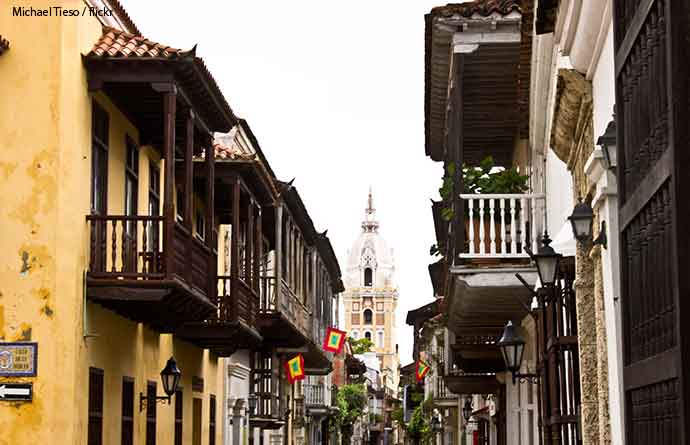
Cartagena, if your budget allows
Bottom Line on Colombia
Colombia can offer an excellent lifestyle for under $2,000 a month, but it needs serious consideration.
For the right person, it can be wonderful. For someone who values maximum safety and simplicity, other countries on this list may be easier.
You may also like to read: Moving Pets Internationally. From documentation to acclimatization tips, this guide is invaluable if you’re moving overseas with pets.
6. Malaysia
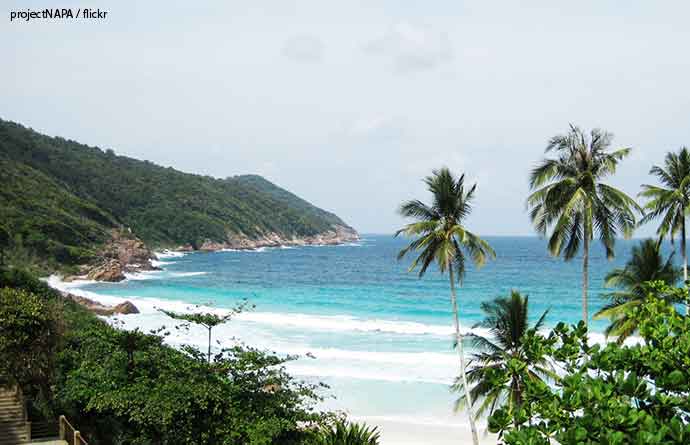
Malaysia might be one of the most underrated countries for Americans considering life abroad.
Kuala Lumpur is modern, well-connected, and affordable compared with major U.S. cities. Penang offers great food, culture, and a slower pace.
The country has good infrastructure, good healthcare, and a high level of convenience.
If you want modern living without Western prices, Malaysia is worth a closer look.
Cost of Living in Malaysia
You can often live well in Malaysia on $1,200 to $2,000 per month. Kuala Lumpur gives you big-city living at a lower price than most major U.S. metros.
A realistic monthly budget is:
Rent: $450–$1,000
Utilities and internet: $80–$160
Groceries: $250–$400
Transportation: $50–$200
Healthcare and insurance: $100–$300
Restaurants and entertainment: $250–$500
Luxury-style apartment buildings with pools, gyms, and security can be surprisingly affordable compared with U.S. cities.
Visa Requirements for Americans
U.S. citizens can usually visit Malaysia for tourism or business for up to 90 days without a visa.
For longer stays, Malaysia has several visa options, including the DE Rantau Nomad Pass for qualifying remote workers and digital professionals.
Malaysia has also been known for long-stay programs such as Malaysia My Second Home, though requirements have changed. Always check current rules before planning a move.
Safety in Malaysia
Malaysia is generally comfortable and safe for many expats. Kuala Lumpur and Penang are popular with foreigners and have good infrastructure.
Petty theft and scams do happen, and some areas in Eastern Sabah have additional security concerns. But for daily life in major cities, many Americans find Malaysia easy to adjust to.
Healthcare in Malaysia
Malaysia has good private healthcare, especially in Kuala Lumpur and Penang. It is also a medical tourism destination, with many English-speaking doctors and modern hospitals.
Private care is much cheaper than in the United States, but foreigners should still carry insurance.
Pros of Moving to Malaysia
Malaysia offers modern infrastructure, low costs, good healthcare, great food, and widespread English in many urban areas. It is also a good base for traveling around Southeast Asia.
Cons of Moving to Malaysia
The climate is hot and humid year-round. It is far from the U.S. Some long-term visa programs have changed requirements over time, so residency planning can be frustrating. Also, if you want four seasons, Malaysia is not the place.
Best Places to Consider
Kuala Lumpur
Penang
Johor Bahru
Ipoh
Malacca
Bottom Line on Malaysia
Malaysia is one of the best choices for Americans who want modern comfort, good healthcare, and great value.
7. Bulgaria
Bulgaria is one of Europe’s best-kept secrets for affordable living, but as someone who has had a home here for nearly 10 years, I can say that it is nowhere near as cheap as it was just a few years ago.
That said, it is still great value for money and a country that many Americans are very happy to call home.
It has mountains, beaches, historic cities, ski resorts, Black Sea towns, and villages that still live a traditional lifestyle.
Most Americans would not have Bulgaria on their radar. Then they visit Sofia, Plovdiv, or the Black Sea coast and realize that Europe does not have to be expensive and can be a wonderful place to call home.
Cost of Living in Bulgaria
Bulgaria is one of the most affordable countries in the EU. You can live comfortably on $1,100 to $1,800 per month, depending on the city and rent.
Sofia is the most expensive city, but still affordable compared with most U.S. cities. Plovdiv, Varna, Burgas, and Veliko Tarnovo are generally even cheaper.
A realistic monthly budget is:
Rent: $400–$900
Utilities and internet: $100–$200
Groceries: $250–$400
Transportation: $30–$100
Healthcare and insurance: $75–$250
Restaurants and entertainment: $200–$400
Bulgaria can be especially appealing for people who want access to the EU lifestyle without Western European prices.
Visa Requirements for Americans
U.S. citizens can visit Bulgaria without a visa for short stays, but longer stays require a proper visa and residence permit.
Americans who want to live in Bulgaria long-term usually need to apply for a Type D long-stay visa before applying for residence.
Common long-stay categories include retirement, employment, business, study, and family reasons.
Safety in Bulgaria
Bulgaria is generally safe for everyday life. Violent crime is not a concern for most expats. The more common issues are petty theft, scams, poor road conditions, and occasional problems with bureaucracy.
In major cities, you should use normal precautions around crowded areas, nightlife, and public transportation.
Healthcare in Bulgaria
Bulgaria has public and private healthcare. Private clinics in Sofia and other major cities can be affordable and reasonably good for routine care, dental work, and specialist visits.
However, healthcare quality can vary, especially outside major cities. English-speaking medical staff may not always be available.
Many expats use private insurance and private clinics.
I can only praise the healthcare in Bulgaria. OK, so some hospitals could do with a lick of paint, but there are no waiting lists, the medical staff has been attentive, and the treatment has always been quick and thorough.
Pros of Moving to Bulgaria
Bulgaria is very affordable, has low property prices, beautiful nature, fast internet, and access to the European Union. Sofia has an active tech and remote work scene, while Plovdiv offers culture and a slower pace. The people are very welcoming and friendly, and are a major bonus to living here.
Cons of Moving to Bulgaria
The language can be difficult because Bulgarian uses the Cyrillic alphabet. Bureaucracy can be slow and frustrating, to put it mildly. Roads and public services are getting better, but still leave a lot to be desired. Winters can be very cold, especially inland. Summers are scorching hot, but Spring and Fall are beautiful.
Best Places to Consider
Stara Zagora
Sofia
Plovdiv
Varna
Burgas
Veliko Tarnovo
Ruse
Bottom Line on Bulgaria
Bulgaria is a really good option for Americans who want Europe on a realistic budget. It is not as internationally famous as some countries, but that is part of the reason it still offers good value and is such a great place to live.
You may also like to read: The Ultimate Guide to Moving to Bulgaria. From the pros and cons of moving to Bulgaria to essential things to know about Bulgaria, this is an invaluable guide.
8. Panama
Panama has long been popular with American retirees and expats.
It offers tropical weather, modern infrastructure, beaches, mountains, a major international airport, and strong ties to the U.S.
It also uses the U.S. dollar, which makes budgeting easier for Americans.
Cost of Living in Panama
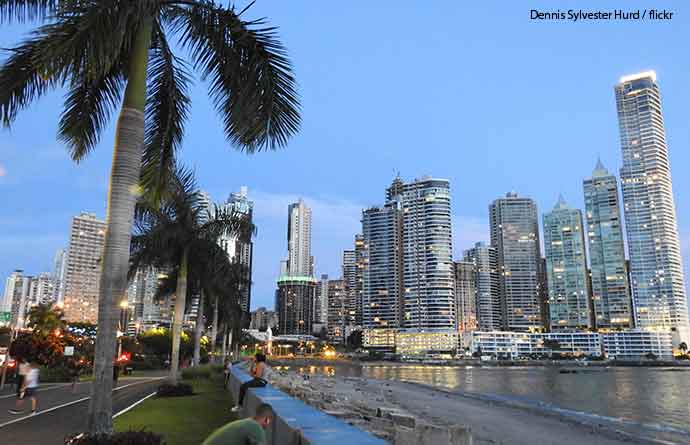
Panama is not the cheapest country in Latin America, but it can still be affordable compared with the United States. You can live on around $1,700 to $2,500 per month, depending on location.
Panama City is the most expensive option. Smaller cities and towns such as David, Boquete or parts of the Azuero Peninsula can offer better value.
A realistic monthly budget is:
Rent: $700–$1,300
Utilities and internet: $120–$250
Groceries: $300–$500
Transportation: $80–$250
Healthcare and insurance: $100–$300
Restaurants and entertainment: $300–$600
Panama is doable on $2,000, but you need to watch housing costs.
Visa Requirements for Americans
Americans can visit Panama without a tourist visa, but long-term stays require a residency visa.
The most famous option is the Pensionado Visa, which is popular with retirees who have qualifying lifetime pension income.
Panama also has other residency routes, including investment and professional options, but requirements vary.
If you are retired and have a stable pension income, Panama is one of the more attractive countries in the region.
Safety in Panama
Panama is generally safe, especially in established areas. However, there are crime hotspots, and some regions should be avoided. Petty theft, break-ins, and civil unrest can happen.
As always, safety depends on where you live. Panama City is different from Boquete, and both are different from remote border areas.
Healthcare in Panama
Panama has good private healthcare in Panama City and other larger areas. Many doctors are trained abroad, and costs are usually lower than in the U.S.
Rural healthcare is more limited, so if you have ongoing medical needs, where you relocate to is important.
Pros of Moving to Panama
Panama offers warm weather, the U.S. dollar, a well-established expat support network, and attractive residency options for retirees. It is also easier to reach from the U.S. than Southeast Asia or Eastern Europe.
Cons of Moving to Panama
It is more expensive than many people expect, especially in Panama City. The tropical climate can be humid. Some areas have safety issues, and imported goods can be expensive.
Best Places to Consider
Panama City
Boquete
David
Coronado
Pedasí
El Valle de Antón
Bottom Line on Panama
Panama is a good choice for retirees and Americans who want warm weather, familiar currency, and a relatively established expat support network.
It is not the cheapest option, but it can offer a very comfortable lifestyle if your budget and visa situation fit.
Honorable Mentions
Several other countries are worth researching if you are serious about living abroad on a lower budget.
Indonesia
Bali is famous among remote workers and expats, but it has become more expensive in popular areas. Outside the busiest areas, Indonesia can still be affordable. Visa rules are important, so research carefully.
Costa Rica
Costa Rica is beautiful, stable, and popular with Americans, but it is not as cheap as many expect. A $2,000 budget can work in some areas, but it is easy to spend much more.
Ecuador
Ecuador offers mountains, beaches, colonial cities, and a relatively low cost of living. Cuenca is especially popular with retirees.
Albania
Albania is gaining attention for low costs, beaches, and easygoing visa rules for Americans. Infrastructure is improving, but it is still less developed than Western Europe.
Georgia
Georgia offers low costs, beautiful landscapes, and a very generous stay policy for many foreigners. Tbilisi has become popular with remote workers, though prices have risen.
You may also like to read: How to Ship a Car Internationally. If you are planning on taking your car overseas, then this guide tells you all you need to know.
How to Choose the Right Country
The cheapest country is not always the best country for you.
Before moving abroad, these are questions worth asking yourself:
Do I want to be close to the U.S.?
Do I need strong healthcare nearby?
Can I handle a language barrier?
Do I want beach, mountains, or city life? Am I moving alone or with family?
Do I need a long-term visa or just a trial stay?
How often will I need to fly home?
Can I deal with bureaucracy and cultural differences?
A good strategy is to visit for at least a month before committing. Rent an apartment, shop for groceries, use local transportation, visit a doctor or dentist if needed, and see how daily life feels when you are not in vacation mode.
Living abroad is very different from traveling abroad.
The Cost of Moving Abroad
Living cheaply is one thing, but you still need to move your things abroad.
You will need to budget for:
Packing and shipping household goods
Customs paperwork
Insurance
Storage
Flights
Temporary housing
Visa documents
Pet relocation
Deposits for rentals
New furniture and appliances
International health insurance
Comparing movers is important because prices can vary widely between companies, and the cheapest quote is not normally the best choice.
Before booking, compare professional movers and get up to four moving quotes.
You may also like to read: Choosing International Movers. Choosing the right mover is crucial when moving abroad. This guide explains how to compare movers and the red flags to watch out for.
Is Living on $2000 a Month Realistic?
So, can Americans live comfortably abroad on $2,000 a month?
Yes, in many places. But the best destination depends on your lifestyle, visa eligibility, healthcare needs, and tolerance for change.
Portugal gives you European charm and excellent healthcare, but rents are rising.
Mexico gives you proximity and culture, but safety varies by region.
Thailand gives you incredible value and food, but visas require planning.
Vietnam gives you one of the lowest costs of living, but long-term residency can be tricky.
Colombia gives you climate and lifestyle, but safety can be a serious concern.
Malaysia gives you modern comfort and healthcare at a good price.
Bulgaria gives you low-cost EU living and easy access to the rest of Europe.
Panama gives retirees a practical warm-weather option with good U.S. ties.
The dream is not just to live cheaply but to have a good quality of life on a budget.
And for many Americans, the right country can make that much easier.
You may also like to read: International Moving Expenses. In this guide, we highlight all the things to take into consideration when creating your moving budget, share average moving costs, and provide some essential budgeting tips.
Frequently Asked Questions
What is the cheapest country for Americans to live comfortably?
Vietnam, Thailand, and Bulgaria are among the most affordable options on this list. In many cities, you can live comfortably for well under $2,000 per month.
Can I retire abroad on $2,000 a month?
Yes, but it depends on the country and your lifestyle. Mexico, Thailand, Vietnam, Bulgaria, and parts of Panama can work well for retirees on a $2,000 monthly budget. Healthcare, insurance, and rent are the most important costs to calculate.
Is Portugal still affordable for Americans?
Portugal is still more affordable than many U.S. cities, but Lisbon and Porto have become expensive. Smaller cities and towns usually offer better value.
Which country is safest for American expats?
Portugal, Bulgaria, Malaysia, and Vietnam are generally among the safest choices on this list, though every country has risks. Colombia and Mexico require more location-specific research.
Do Americans need a visa to move abroad?
Yes, if you plan to stay long-term. Most countries allow Americans to visit for a limited time, but living there requires a proper visa or residence permit.
Does Medicare cover Americans living abroad?
In most cases, Medicare does not cover medical care outside the United States. Americans living abroad usually need private health insurance, local coverage, or enough savings to pay out of pocket.
Should I sell everything before moving abroad?
Not always. Many people start with a trial stay before selling their home, car, or furniture. If you are unsure, rent for a few months first and keep your move flexible.
How can I reduce the cost of an international move?
Compare multiple international moving companies, avoid shipping items that are cheaper to replace, move during less busy seasons if possible, and ask about customs, insurance, and storage fees before booking.
Good luck with your move, and be sure to visit our home moving blog, which is packed with country guides and tips for making every aspect of your move easier, cheaper, and safer.
Jessica,
Thank you for the succinct and comprehensive breakdown of the true cost and tribulations for Americans who would like to retire overseas on a budget. One more note, I understand that Albania is also an excellent choice for living abroad for under $2500. I’d love to know your thoughts on Albania.
*At MoveAdvisor we will connect you with a professional moving company. Please note that we may not be affiliated with
and you may be speaking with another licensed provider.
We use cookies to optimise your experience.Accept and close or Learn more













Jessica,
Thank you for the succinct and comprehensive breakdown of the true cost and tribulations for Americans who would like to retire overseas on a budget. One more note, I understand that Albania is also an excellent choice for living abroad for under $2500. I’d love to know your thoughts on Albania.