Have you ever looked at your life (the rising monthly expenses, the ultra-stressful daily commutes, or another cold and wet forecast) and thought, “Maybe it is time for a change”?
Whilst a new life abroad seems very appealing, it is often the bureaucracy of starting over in a new country that puts many people off.
The good news is that moving abroad does not always require wading your way through an impossible immigration system.
Several countries offer fairly easy residency programs for people with retirement income, remote jobs, savings, business activity, or other reliable sources of income.
However, visiting a country for six months or a year is not the same as becoming a legal resident.
Residency can provide additional rights, including access to healthcare, local banking, long-term housing, tax registration, and eventually permanent residence. The exact benefits depend on the country and the visa.
This guide compares nine countries with some of the easiest or most practical routes to long-term residence.
We’ll also see what everyday life is really like, including housing costs, healthcare, safety, weather, language, infrastructure, and the disadvantages that relocation guides sometimes leave out.
Important: Immigration rules and financial requirements change frequently. Always confirm the current conditions with the relevant consulate or immigration authority before making financial commitments.
Residency Route Options by Country
The following monthly budgets are realistic ballpark figures for someone renting a modest apartment.
They do not include luxury housing, international school fees, frequent flights, major medical treatment, visa fees, or professional legal assistance.
Country
Popular route
Estimated monthly budget
Particularly attractive for
Portugal
D7 passive-income visa
$1,600–$2,500
Retirees and passive-income applicants
Mexico
Temporary resident visa
$1,200–$2,100
Americans wanting to remain close to home
Panama
Pensionado or investment-based residence
$1,500–$2,500
Retirees and dollar-based households
Costa Rica
Pensionado, rentista, or digital nomad program
$1,700–$2,900
Nature lovers and remote workers
Georgia
Work, business, or property residence
$1,000–$1,700
Entrepreneurs and budget-conscious nomads
Ecuador
Pensioner or rentista residence
$1,000–$1,700
Retirees seeking affordability
Malaysia
MM2H long-stay program
$1,100–$1,900
Affluent retirees and Asia-based expats
Albania
Long visa-free stay or residence permit
$1,200–$2,100
Americans wanting an affordable European base
Paraguay
Temporary followed by permanent residence
$900–$1,600
People prioritizing low costs and simplicity
Based on current city cost data, which generally excludes rent, combined with typical local housing costs, this gives you a good ballpark figure to work from.
However, cities like Lisbon, Mérida, Panama City, and San José show how dramatically expenses can change by neighborhood and lifestyle.
Tbilisi, Cuenca, Kuala Lumpur, Tirana, and Asunción generally remain more affordable than major cities in Western Europe or the United States, although central rents and popular expat neighborhoods can be substantially higher than national averages.
How Much do Movers Cost?
Save up to 40% on your upcoming move and get a quote from reputable moving experts.
Portugal is one of the most popular expat destinations in Europe. It offers historic cities, Atlantic beaches, relatively mild weather, good infrastructure, and access to the European Union.
It is especially popular with retirees and people who receive income from investments, pensions, rental properties, royalties, or other sources outside Portugal.
Route to residency
The best-known option is Portugal’s D7 residence visa, designed for retirees and people with their own income.
Applicants normally need to have a regular income, suitable accommodation, insurance, and sufficient savings.
Portugal’s means-of-subsistence calculations are aligned to the national minimum salary, which is currently (2026) €920 per month.
The exact amount an applicant must demonstrate can depend on family size and the consulate processing the application.
A Portuguese residence visa is generally valid for four months and two entries, allowing its holder to enter Portugal and complete the residence-permit process.
Portugal also has routes for remote workers, employees, entrepreneurs, students, investors, and family members. The correct visa depends on where your income comes from and whether you intend to work for a Portuguese employer.
Portugal is no longer the bargain it was a decade ago. Housing costs in Lisbon, Porto, the Algarve, and other popular locations have increased considerably.
A single person living outside the most expensive districts should plan on approximately $1,600 to $2,500 per month, including modest rent.
Lisbon can cost significantly more, particularly for a centrally located, furnished apartment.
Everyday expenses such as local food, public transportation, coffee, and restaurant lunches are still reasonable compared with large U.S. cities.
Imported products, cars, electricity, and housing in popular areas may be more expensive than you would expect.
Cities worth researching include:
Braga is a smaller, more traditional city
Coimbra for a university atmosphere
Aveiro for canals and coastal access
Caldas da Rainha for a quieter lifestyle
Setúbal for proximity to Lisbon without living directly in the capital
Madeira for island life and mild temperatures
Compare the cost of living in Portugal with your current city at www.numbeo.com
Healthcare
Legal residents can obtain a Portuguese National Health Service number and use public healthcare facilities.
To have costs covered through the system, residents need to connect their identity, tax number, Portuguese address, and valid residence permit to their health registration.
Many expats also purchase private insurance for faster access to specialists and private hospitals.
The public system can provide good care, but waiting times and access to a family doctor vary by region. Private care is usually much less expensive than comparable self-pay treatment in the United States.
Safety
Portugal is considered a safe destination. The most common risks for visitors and newcomers are pickpocketing, bag theft, and other property crime in busy tourist districts and on public transportation.
Weather
Most of Portugal has hot, dry summers and mild, wetter winters, but regions vary. The north is cooler and rainier, while the Algarve is warmer and sunnier. Inland areas can become extremely hot in summer.
Wildfires and heatwaves are important considerations, especially in rural and forested areas.
Older Portuguese homes may also feel unexpectedly cold and damp during winter because insulation and central heating are not always installed.
Advantages of living in Portugal
Relatively clear routes for retirees and passive-income applicants
Good public and private healthcare options
Safe cities and towns
Attractive coastline and mild climate
Reliable internet and infrastructure
Access to other European destinations
Large international community
Disadvantages of living in Portugal
Housing costs have risen sharply
Immigration appointments and administrative procedures can be slow
Salaries are relatively low for people seeking local employment
Portuguese is important outside major expat communities
Some homes have poor insulation and moisture problems
Popular areas can become crowded during the summer
Best suited to: Retirees, passive-income households, remote professionals who qualify for the correct visa, and people who want a safe European base.
Mexico is one of the most practical options for Americans because it combines accessible residency routes with geographical proximity.
You can remain in a similar time zone, return to the United States without crossing an ocean, and choose from beach communities, mountain towns, colonial cities, large metropolitan areas, and cooler highland destinations.
Route to residency
Mexico’s temporary resident visa is intended for people staying longer than 180 days but generally no more than four years.
Applicants commonly qualify through income, savings, family relationships, employment, property-related circumstances, or another recognized category. After four years as a temporary resident, many people can apply for permanent residence.
Financial requirements are not completely uniform. Mexican consulates calculate and apply their thresholds differently, and the necessary income or savings can change with exchange rates and Mexican economic indicators.
Applicants should therefore check the specific consulate where they will apply rather than relying on a number quoted in a blog or social-media group.
Some retirees and people with close Mexican family connections may qualify directly for permanent residence.
A realistic monthly budget for one person is approximately $1,200 to $2,100, although Mexico City, Los Cabos, parts of Riviera Maya, and highly desirable expat neighborhoods can cost much more.
Rent in cities such as Mérida, Querétaro, Puebla, Oaxaca, and certain parts of Guadalajara may range from roughly $600 to $1,200 for a comfortable apartment. Beachfront property and short-term furnished rentals fetch a premium.
Local food can be remarkably affordable. Imported groceries, international schools, private health insurance, and frequent flights can quickly increase the budget.
Popular destinations include:
Mérida for warm weather, culture, and a large international community
Querétaro for business, infrastructure, and a central location
San Miguel de Allende for arts and established expat life
Mexico has public and private healthcare systems, and the experience varies widely by state and city. Major urban areas have modern private hospitals and highly trained specialists. Rural locations and small beach communities may offer fewer services.
Expats should not assume that Medicare or ordinary U.S. insurance will cover them. Many Mexican hospitals require payment or proof of coverage before treatment or discharge, making private insurance and access to emergency funds important.
Safety
It is impossible to describe safety in Mexico in a blanket way. Conditions differ significantly between states, cities, neighborhoods, and even highways.
Current U.S. guidance advises increased caution nationally and gives more restrictive recommendations for certain states because of crime and kidnapping risks.
Prospective residents should research the specific city and state rather than judging all of Mexico by the situation in one region.
Weather
Mexico contains almost every climate imaginable. Coastal areas are generally hot and humid, central highlands can be spring-like, northern regions may be dry and extremely hot, and mountain cities can become surprisingly cool.
Hurricane exposure is an important consideration on both coasts. Water availability, air pollution, earthquakes, extreme heat, and seasonal flooding vary by region.
Advantages of living in Mexico
Close to the United States
Multiple residency routes
Wide choice of climates and city sizes
Strong food and cultural traditions
Affordable local services
Good private healthcare in major cities
Established expat communities
Disadvantages of living in Mexico
Safety varies dramatically by location
Financial visa requirements differ between consulates
Private hospitals may require payment upfront
Bureaucratic procedures can be inconsistent
Extreme heat and water shortages affect some regions
Tourist and beach destinations are becoming more expensive
Best suited to: Americans who want to lower their expenses without moving too far from family, retirees, and remote workers who qualify financially.
Panama has attracted international residents for decades. It offers a stable banking and business center, modern infrastructure in Panama City, Caribbean and Pacific beaches, and established retirement communities.
Another practical advantage is that the U.S. dollar is used alongside Panama’s balboa, eliminating most day-to-day exchange-rate calculations for Americans.
Route to residency
Panama’s Pensionado program is one of the best-known retirement routes in the world. Applicants must generally demonstrate a lifetime pension of at least $1,000 per month, with an additional amount for dependents.
There are also permits connected to investment, employment, family relationships, fixed deposits, and other economic activities.
The Friendly Nations route is often described online as an instant permanent-residence program. That information is outdated.
The current route generally begins with a provisional two-year permit before permanent residence can be considered. Applications for residence are normally handled through a Panamanian legal representative.
A single person should budget approximately $1,500 to $2,500 per month. Panama City can be considerably more expensive than smaller towns, especially when renting in modern central neighborhoods.
Popular areas include:
Panama City for business, hospitals, shopping, and flights
Boquete for cooler mountain weather
Coronado for beaches and established expat services
El Valle de Antón for a cooler, small-town environment
Pedasí for quieter coastal living
David for lower costs and access to western Panama
Domestic help, locally produced food, and some services can be affordable. Imported groceries, electricity used for constant air conditioning, private schools, and properties in gated communities can cost more than expected.
Panama has public and private healthcare. Panama City has the country’s broadest selection of specialists and private hospitals, while smaller towns may provide only basic or emergency care.
Private treatment is generally less expensive than in the United States, but comprehensive insurance is still advisable, particularly for older residents and people living far from the capital.
Safety
Panama is generally safe for residents who take ordinary precautions, but crime is a concern in certain districts.
U.S. guidance currently recommends increased caution and advises against travel to parts of the Darién region and the Mosquito Gulf because of crime and limited emergency support.
Weather
Panama is hot and humid throughout most of the year. It has a dry season and a long rainy season rather than four traditional seasons.
Mountain communities such as Boquete provide cooler temperatures. Coastal and lowland areas may require almost continuous air conditioning. Heavy rain, flooding, mold, insects, and high humidity are part of daily life.
Advantages of living in Panama
U.S. dollar is used in everyday transactions
Well-established retirement route
Good flight connections from Panama City
Modern private healthcare in the capital
Beach, city, and mountain lifestyles
Developed expat infrastructure
Discounts available to qualifying pensioners
Disadvantages of living in Panama
Panama City is not especially cheap
High humidity and heavy rain
Private healthcare becomes more limited outside major cities
Legal assistance is usually needed for residency
Traffic in Panama City can be frustrating
Older online guides often contain outdated visa information
Best suited to: Retirees with qualifying pension income, people who want to continue using U.S. dollars, and residents seeking a well-connected Central American base.
You may also like to read: How to Choose the Best City for You. In this guide, we suggest things to take into consideration when choosing the right city to move to.
4. Costa Rica
Costa Rica’s appeal is easy to understand. The country offers rainforests, beaches, volcanoes, wildlife, political stability, and the famous Pura Vida approach to life.
It is not the cheapest country in Central America, but it remains one of the region’s most popular destinations for retirees and remote professionals.
Route to residency
Costa Rica offers several established categories, including:
Pensionado for qualifying pension recipients
Rentista for people with reliable non-employment income or sufficient funds
Investor-based residence
Family-based residence
Costa Rica also has a digital nomad program. Applicants generally need to demonstrate monthly foreign income of at least $3,000 for an individual or $4,000 when including dependents. They must also maintain qualifying medical insurance.
The digital nomad category provides a temporary legal stay rather than ordinary residency. That difference is important for people whose long-term objective is permanent residence or citizenship.
Read more about applying for residency in Costa Rica at the US Embassy website.
Cost of living in Costa Rica
A one-person budget of approximately $1,700 to $2,900 per month is more realistic than the extremely low figures sometimes seen online.
Rent can range from around $700 to $1,300 for a comfortable apartment, but beach communities, luxury developments, and popular parts of the Central Valley can cost much more.
Imported food, vehicles, electronics, electricity, and air conditioning can be expensive. Living more like a local and choosing locally produced food makes a significant difference.
Areas to consider include:
Central Valley communities for hospitals and a milder climate
Grecia or Atenas for small-town living
Escazú and Santa Ana for modern amenities at higher prices
Tamarindo and Nosara for beach life at premium prices
Southern Pacific towns for nature and fewer crowds
Lake Arenal for cooler weather and scenery
Learn more about the cost of living in Costa Rica at www.numbeo.com
Healthcare
Legal residents generally enroll in Costa Rica’s public social-security healthcare system, commonly called the CAJA. The system offers wide access but may involve waits for non-urgent specialist care.
Many expats combine public coverage with private doctors, clinics, or insurance. Private care is generally more affordable than comparable U.S. treatment, especially in the Central Valley.
Safety
Costa Rica remains popular with tourists and expats, but petty theft and more serious crime occur. Residents should take precautions with homes, rental cars, phones, and valuables.
Natural risks can also be a concern. Rip currents cause serious incidents on beaches, while earthquakes, volcanic activity, heavy rain, and landslides are part of the country’s geography.
Weather
Costa Rica’s climate depends a lot on elevation and region.
Coastal areas are hot and humid. The Central Valley is cooler. Caribbean and Pacific rainfall patterns differ, and the rainy season can bring daily downpours.
A property that looks idyllic during the dry season may have difficult access, mold, insects, or flooding during the wet season. It is best to experience both seasons before buying.
Advantages of living in Costa Rica
Established residency programs
Extraordinary natural environment
Good public and private healthcare options
Large international community
Stable institutions
Reliable internet in many populated areas
Direct flights to the United States
Disadvantages of living in Costa Rica
Higher costs than many people expect
Imported products and vehicles are expensive
Crime is a growing concern in some areas
Roads and infrastructure vary considerably
Rain, humidity, insects, and mold can be challenging
Popular beach communities have become expensive
Best suited to: Nature lovers, retirees, remote professionals with sufficient income, and people who are comfortable paying more for a developed expat ecosystem.
You may also like to read: How to Ship a Car Overseas. In this guide, we explain all you need to know about taking your car abroad.
5. Georgia
This is Georgia, the country, not Georgia, the state, a distinction most foreigners living there become accustomed to making.
Georgia has developed a good reputation among digital nomads, entrepreneurs, and independent workers.
The country offers dramatic mountains, a distinctive food and wine culture, relatively low living costs, and straightforward short-term entry for many nationalities.
Route to residency
U.S. citizens can generally enter Georgia without a visa and remain for one full year. That is exceptionally generous, but it is still visa-free visitor status rather than legal residency.
Formal residence permits are available through employment, entrepreneurship, qualifying property ownership, study, family relationships, and other categories.
Work-residence applicants must meet documented employment, income, or business-turnover conditions.
Since January 1, 2026, foreign tourists entering Georgia must carry valid health and accident insurance for their stay.
To find out more about residency in Georgia, visit the US Embassy website.
Cost of living in Georgia
A single person can often live on approximately $1,000 to $1,700 per month, including a reasonably priced apartment.
Modern apartments in Tbilisi may rent for $400 to $900, depending on the district, condition, and season. Central neighborhoods and newly renovated properties cost more.
Other options include:
Batumi is on the Black Sea and has a large international community
Kutaisi for lower costs and a quieter pace
Borjomi for mountain scenery
Smaller wine-region towns for rural living
Local restaurants, taxis, public transportation, and services remain affordable by Western standards. Imported products, quality housing, private education, and newer vehicles can be disproportionately expensive.
Healthcare is largely private and paid through insurance or directly by the patient.
Tbilisi offers the widest range of hospitals and specialists. Medical options become more limited in small towns and remote mountain areas.
Insurance is particularly important for serious treatment, evacuation, or chronic conditions.
Safety
Georgia generally has a good safety profile, but travelers and residents should avoid the Russian-occupied regions of South Ossetia and Abkhazia.
Political demonstrations occasionally disrupt central parts of Tbilisi.
Weather
Georgia has four distinct seasons. Tbilisi experiences hot summers and cold winters. Batumi is milder but extremely rainy and humid. Mountain areas receive substantial snow and may become difficult to access.
Air quality can be a concern in Tbilisi, particularly near roads where there is heavy traffic.
Advantages of living in Georgia
One-year visa-free stay for Americans
Low everyday living costs
Fast internet and a close digital-nomad community
Attractive food, wine, and mountain scenery
Affordable restaurants and transportation
Business-friendly culture
Four-season climate
Disadvantages of living in Georgia
Visa-free permission is not residency
Georgian is difficult to learn
Private healthcare is best in Tbilisi
Traffic and air pollution can be an issue
Regional geopolitical risks remain
Winters may be colder than expected
Formal residence permits require more documentation than tourist entry permits
Best suited to: Entrepreneurs, remote workers testing life abroad, younger expats, and people seeking an affordable European-Asian base.
You may also like to read: Countries Where You Can Live On $2000 a Month. In this guide, we look at countries where, if you are sensible, you can realistically expect to live for around $2000 a month.
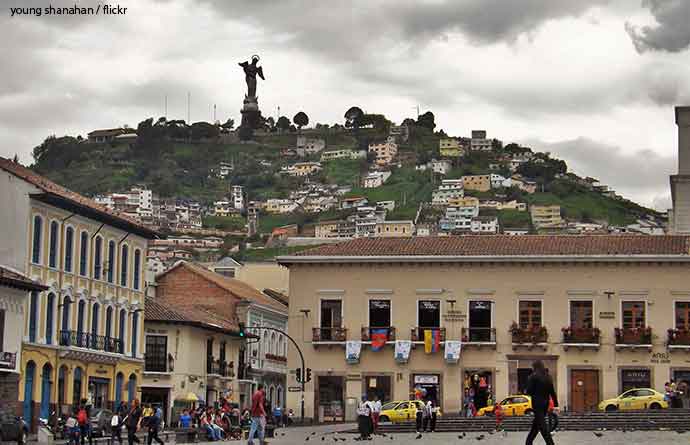
6. Ecuador
Ecuador has long attracted retirees because it offers affordable cities, varied climates, fresh local food, and relatively accessible residence visas.
One of its biggest advantages is the variety of places to live. You can choose the Andes, the Pacific coast, the Amazon region, or a smaller colonial city without leaving the country.
Route to residency
Ecuador offers temporary residence categories for pensioners and people receiving qualifying income from outside the country.
It also has a rentista category that can accommodate certain remote workers and people with regular external income.
Under current rules, a temporary resident who has spent more than 21 months in Ecuador may become eligible to apply for permanent residence, provided the other requirements are satisfied.
Ecuador has also moved more of its visa process online through its electronic visa platform.
Quito, Cuenca, and Guayaquil have the largest selection of private hospitals and specialists.
Private consultations and routine treatment are often affordable, although health insurance becomes more expensive with age.
Public and social-security options exist, but many expats use private providers. Access to specialized care is less reliable in rural and coastal communities.
Safety
Current U.S. guidance recommends increased caution because of crime, terrorism, civil unrest, and kidnapping, with stronger warnings for certain areas.
Cuenca and some highland communities may feel calmer than coastal crime hotspots, but neighborhood-level research remains essential.
Weather
Ecuador’s weather is determined more by altitude than by season. Cuenca and Quito can feel like spring for much of the year, although nights are cool and weather changes quickly. Coastal areas are hotter and more humid.
Earthquakes, volcanic activity, landslides, high-altitude effects, and intense equatorial sunlight should be taken into consideration.
Advantages of living in Ecuador
Affordable housing and local services
U.S. dollar is used as the national currency
Pensioner and external-income residence routes
Mild highland climates
Accessible private healthcare in major cities
Fresh produce and inexpensive local food
Diverse landscapes
Disadvantages of living in Ecuador
Security conditions vary and have worsened in some regions
Political protests can disrupt transportation
Specialist healthcare is concentrated in larger cities
Earthquakes and volcanic activity are possible
Bureaucracy can be unpredictable
High altitude may affect some newcomers
Best suited to: Retirees and budget-conscious expats who are willing to research security conditions carefully and live near a major healthcare center.
You may also like to read: Best Countries to Start Over with $10,000. In this guide, we look at countries where you can set up a new life for less than the average cost of a budget second-hand car.
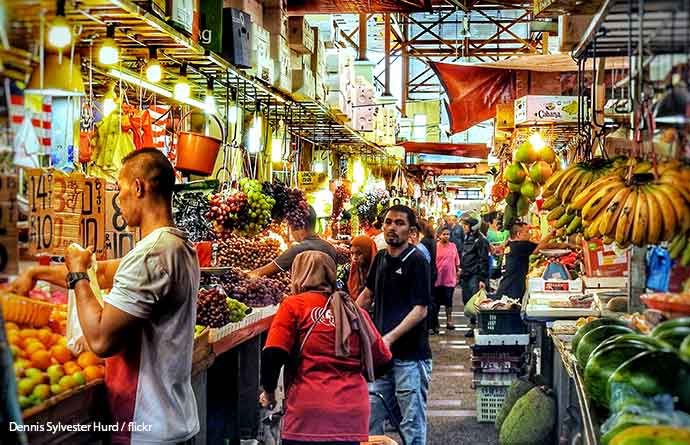
7. Malaysia
Malaysia offers a combination that is difficult to find elsewhere: modern urban infrastructure, excellent private hospitals, reliable public transportation, tropical weather, international food, widespread English, and relatively affordable living costs.
Kuala Lumpur, in particular, can provide a high standard of living for considerably less than equivalent global cities.
Route to long-term residence
Malaysia’s principal long-stay program is Malaysia My Second Home, commonly known as MM2H. It has Platinum, Gold, Silver, and special economic or financial-zone categories.
The current federal requirements are substantial.
The Silver category requires a fixed deposit of $150,000, provides a renewable five-year pass, and requires the purchase of a Malaysian residence valued at least RM600,000.
Higher categories require larger deposits and more expensive property.
Special-zone categories can have lower deposit requirements, but they come with location and property conditions.
MM2H is therefore better described as a structured long-stay option for financially qualified applicants, not an easy low-budget residency program.
People moving for employment normally need an employer-sponsored pass.
Malaysia revised employment-pass salary policies from June 1, 2026, so applicants and employers should verify the current category.
A single person can live comfortably on approximately $1,100 to $1,900 per month, depending on rent and lifestyle.
Modern condominiums in Kuala Lumpur can cost $600 to $1,200 per month. Many include a pool, gym, security, and other amenities that would be far more expensive in the United States.
Local meals can cost only a few dollars. Western restaurants, imported food, alcohol, international schools, and premium housing will raise expenses considerably.
Other destinations include:
Penang for food, heritage, beaches, and healthcare
Johor Bahru for proximity to Singapore
Ipoh for lower costs and a quieter lifestyle
Kota Kinabalu for access to Borneo’s natural attractions
Compare the cost of living in Malaysia at www.numbeo.com
Healthcare
Malaysia is a major regional destination for private medical care. Kuala Lumpur and Penang have modern private hospitals, English-speaking staff, and competitively priced treatment.
Foreign residents generally rely on private insurance or self-funded care. People with pre-existing conditions should investigate exclusions and age limits before moving.
Safety
Malaysia is generally safe for foreign residents using ordinary precautions. Current U.S. guidance treats most of the country as lower risk but recommends additional caution in parts of eastern Sabah because of kidnapping concerns in maritime areas.
Urban issues are more likely to involve bag theft, scams, traffic, or petty crime than serious violence.
Weather
Malaysia is hot, humid, and rainy throughout the year. Monsoon patterns differ between the east and west coasts.
Air conditioning is part of daily life. Mold, mosquitoes, heavy rain, flash flooding, and occasional regional haze can affect comfort and air quality.
Advantages of living in Malaysia
Excellent private healthcare
Modern apartments and infrastructure
Affordable local food
English widely used
Reliable internet
Good regional flight connections
Diverse population and cuisine
Reliable public transportation in Kuala Lumpur
Disadvantages of living in Malaysia
MM2H requires major financial resources
Property purchase is mandatory under the federal MM2H tiers
Permanent residence is not automatic
Constant heat and humidity
Alcohol and imported goods can be expensive
Employment and long-stay rules can change
Long distance from North America and Europe
Best suited to: Financially established retirees, Asia-focused entrepreneurs, and expats who prioritize private healthcare and modern city life.
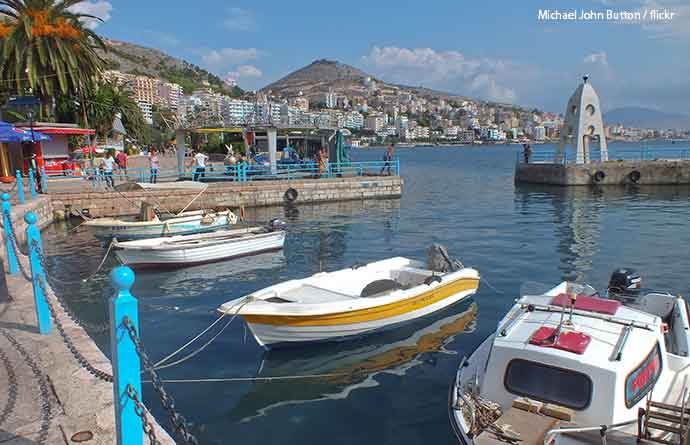
8. Albania
Albania is one of Europe’s fastest-emerging expat destinations. It offers Mediterranean beaches, mountain landscapes, café culture, and lower costs than in many EU countries.
For Americans, its greatest initial advantage is an unusually generous visa-free stay.
Route to residency
U.S. citizens generally may enter Albania without a visa and stay for up to one year without obtaining a residence permit. Those wanting to remain longer can apply for an appropriate permit.
Albanian law includes residence options for employees, self-employed people, property users, pensioners, family members, and digital mobile workers.
The digital-mobile-worker permit is initially valid for one year and requires evidence of foreign work, sufficient income, accommodation, health insurance, and a criminal-record certificate.
Note: The one-year visa-free period is permission to stay, which is not the same thing as formal residence.
Discover more about residency routes at e-albania.al
Cost of living in Albania
A realistic monthly budget for one person is approximately $1,200 to $2,100.
Tirana is the country’s most expensive city, particularly for modern apartments in central or fashionable neighborhoods. Smaller inland cities are cheaper. Coastal rents can rise dramatically in July and August.
Locations to consider include:
Tirana for jobs, private healthcare, and city life
Durrës for beach access near the capital
Vlorë for a growing coastal city
Sarandë for warm weather and access to Corfu
Shkodër for mountains and a smaller-city atmosphere
Korçë for culture and cooler weather
Local restaurants, coffee, produce, and services are affordable. Imported goods, new cars, high-quality modern housing, and electricity-intensive heating or cooling can increase costs.
Albania has public healthcare and a growing private sector. Tirana offers the country’s best selection of private hospitals and specialists.
Public facilities and rural medical services may not meet the expectations of expats accustomed to Western European or major U.S. hospitals. People with complicated conditions should investigate private insurance and the availability of treatment before moving.
Safety
Albania is generally safe for visitors and residents, but current U.S. guidance recommends increased caution because of crime. Emergency and police response may be slow in remote areas.
Road safety is a more common daily concern. Driving can be aggressive, infrastructure varies, and mountain roads may be difficult.
Weather
The coast has a Mediterranean climate with hot, dry summers and mild, wetter winters. Tirana can become very hot and humid. Mountain and inland areas receive colder winters and occasional heavy snow.
Coastal communities become crowded in summer and considerably quieter during winter.
Advantages of living in Albania
Americans can generally stay for up to one year without residence paperwork
Affordable restaurants and services
Attractive beaches and mountains
Growing digital-nomad community
Friendly social culture
Easy access to other Balkan destinations
Formal digital-worker and pensioner permit categories
Disadvantages of living in Albania
Visa-free stay is not formal residency
Healthcare is strongest in Tirana
Infrastructure can be inconsistent
Driving and road safety are concerns
Coastal rents rise during summer
Albanian is important for handling administration
Albania is not an EU or Schengen member
Best suited to: Americans testing European life, remote workers, younger expats, and people seeking a lower-cost Mediterranean lifestyle.
You may also like to read: Moving to Europe. In this guide, we share practical tips for moving to Europe.
9. Paraguay
Paraguay rarely receives the international attention given to Mexico, Portugal, or Costa Rica. For some people, that is part of its appeal.
The country offers low living costs, relatively little competition for housing, a subtropical climate, and a slower pace of life.
Route to residency
Paraguay’s current system generally allows a foreign national to obtain temporary residence for up to two years.
For non-Mercosur applicants, temporary residence is normally a prerequisite for applying for permanent residence.
Applicants should be cautious with articles claiming that Paraguay still provides instant permanent residence in exchange for placing a small amount of money in a local bank. Much of that information reflects older rules.
Permanent-residence cards are subject to renewal requirements, while a special investor process is available for qualifying foreign investors operating through Paraguay’s investment system.
A single person can live on approximately $900 to $1,600 per month, making Paraguay one of the most affordable countries in this guide.
Asunción is the most developed and expensive option. Rent, restaurants, and services become cheaper outside the capital, although infrastructure and healthcare options also decline.
Popular locations include:
Asunción for hospitals, business, and international services
San Bernardino for a lakeside environment
Encarnación for its waterfront and proximity to Argentina
Ciudad del Este for commerce and the Brazilian border
Smaller agricultural communities for very low-cost rural living
Local food, housing, and domestic services can be inexpensive. Imported electronics, cars, and international products can be costlier.
Asunción has private hospitals, clinics, and specialists, but services become less comprehensive outside the capital.
Private health insurance and a plan for serious or specialized treatment are advisable. Spanish is particularly important when communicating with medical providers and government agencies.
Safety
Paraguay is generally under a normal-precautions advisory, although additional caution is recommended in several border and northeastern departments because of criminal activity.
Petty theft and opportunistic crime occur in Asunción. Border cities have different security issues and should be evaluated separately.
Weather
Paraguay has extremely hot, humid summers, mild winters, powerful storms, and seasonal flooding in some areas.
Temperatures above 100°F are possible. Air conditioning, backup water storage, mosquito control, and reliable electricity should be considered when choosing a home.
Older online residency information is often inaccurate
Best suited to: Independent, budget-conscious expats who speak or intend to learn Spanish and do not require a large international community.
You may also like to read: The Benefits of Moving Home. In this guide, we look at the life-changing benefits that moving to a new place can bring.
Which Country is Easiest for you?
There is no single easiest country because the answer depends on your income, age, family, nationality, work situation, and long-term goals.
Best for retirees
Panama, Portugal, Ecuador, and Costa Rica offer good routes for people with pensions or reliable passive income.
Panama may be particularly attractive to someone with a qualifying lifetime pension. Portugal provides a European lifestyle and access to public healthcare. Ecuador offers lower costs, while Costa Rica combines established residency programs with a large international community.
Best for remote workers
Portugal, Costa Rica, Georgia, and Albania are worth a close look.
Portugal and Costa Rica have structured remote-worker options. Georgia and Albania provide generous entry conditions for Americans, giving newcomers time to decide whether formal residence makes sense.
Best for a low monthly budget
Paraguay, Georgia, and Ecuador generally offer the lowest everyday expenses in this comparison.
Lower cost does not automatically mean an easier life, however. Healthcare access, language, infrastructure, flights, and bureaucracy may require more preparation.
Best for staying close to the United States
Mexico, Costa Rica, and Panama offer the most convenient flight connections and time-zone compatibility for many Americans.
Mexico is the clear winner for people who want the possibility of driving back to the United States or taking relatively short flights home.
Best for healthcare
Portugal and Malaysia stand out for their combination of healthcare quality and relative affordability. Mexico also provides excellent private care in major cities, while Costa Rica offers the useful combination of public and private systems.
The right answer still depends on the specific city and the medical condition involved.
Best for a trial move
Albania and Georgia allow U.S. citizens unusually long visa-free stays. This gives Americans time to rent a home, experience the weather, understand the culture, and decide whether to apply for residence.
Remember that a trial stay does not automatically establish residency or resolve tax obligations.
You may also like to read: I Want to Move Home, My Partner Says No. Moving abroad is a huge decision, and your partner may not be quite as keen as you. In this guide, we suggest ways to find a compromise.
Things to Consider Before Moving Abroad
An easy visa does not guarantee an easy relocation. Before choosing a country, look carefully at the following issues.
Tax residence
Immigration residence, and tax residence are not always the same. Depending on the country, the number of days you spend there, your home, business interests, family connections, or other factors may create tax obligations.
Speak with a qualified international tax professional before moving, especially if you own a company, receive investment income, rent property, or maintain financial accounts in multiple countries.
U.S. citizens generally continue to have U.S. filing obligations even while living abroad.
Permission to work
A residence permit may not automatically permit you to work locally. Digital nomad programs are often intended for people working remotely for foreign companies or clients.
Confirm whether your permit allows employment, self-employment, business ownership, or only foreign-source work.
Health insurance
Obtain written answers about:
Coverage for pre-existing conditions
Age limits
Prescription medication
Hospital networks
Emergency evacuation
Maternity care
Cancer and chronic-disease treatment
Whether payment is required upfront
Usually, Medicare or ordinary U.S. insurance cannot be used abroad.
Housing
Rent before buying, ideally for at least six to twelve months. A neighborhood that feels perfect during a two-week vacation may be noisy, damp, isolated, congested, or difficult during another season.
Check water pressure, internet speed, insulation, air conditioning, flood history, mold, heating, parking, building management, and access to hospitals.
Schools
Families should investigate public, private, bilingual, and international schools before selecting a city.
International school tuition can add thousands of dollars per child to the annual budget and may completely change which country is affordable.
Language
Learning at least the basic language will make healthcare, housing, banking, shopping, and government procedures considerably easier.
Shipping your belongings
International shipping costs depend on distance, volume, access, customs rules, and whether you use air freight, a shared container, or a full container.
Before booking, compare several international moving companies, confirm what insurance covers, and request a written breakdown of port, customs, storage, and delivery charges.
You may also like to read: International Moving Costs. In this guide, we look at the average cost of moving to various countries.
Should I Move Abroad?
Compare this Monday morning with waking to a new life in a new country
Moving abroad is not only about finding the easiest residence visa or the lowest-cost apartment.
The right destination is the country where the legal path, healthcare, climate, language, safety, taxes, culture, and distance from family fit your real life.
Portugal may be the strongest option for someone dreaming of Europe and qualifying through passive income.
Mexico may be ideal for an American who wants affordability without living an ocean away.
Panama and Costa Rica remain attractive to retirees.
Georgia, Ecuador, Albania, and Paraguay can offer excellent value for people willing to accept more language, infrastructure, or administrative challenges.
Malaysia offers an outstanding lifestyle and healthcare environment, but its current long-stay program costs considerably more than many websites suggest.
Visit before committing. Stay long enough to experience ordinary life rather than vacation life. Walk through neighborhoods at night. Visit grocery stores and hospitals. Test the internet. Speak with residents who both love and dislike the country.
The easiest country to enter is not always the easiest country in which to build a happy life. But with careful research and realistic expectations, moving abroad can provide the change you have been looking for.
You may also like to read: How to Move Pets Overseas. In this guide, we explain all you need to know about moving abroad with pets.
Frequently asked questions
What is the easiest country for an American to live in long-term?
Albania and Georgia offer especially generous visa-free stays for U.S. citizens, but those stays are not formal residency. Mexico is often one of the most practical choices because of its proximity and established temporary-to-permanent residence route. Portugal can be attractive for applicants with passive income, while Panama is particularly accessible to qualifying pensioners.
What is the cheapest country on this list?
Paraguay, Georgia, and Ecuador generally offer the lowest monthly living costs. A modest single person may be able to live on approximately $900 to $1,700 per month, depending on the city and housing standard.
Can I obtain residency without buying property?
Yes. Portugal’s D7, Mexico’s temporary residence, Panama’s Pensionado route, Costa Rica’s Pensionado and Rentista categories, and Ecuador’s pensioner and rentista permits do not necessarily require a property purchase.
Malaysia’s current federal MM2H categories differ because they include mandatory property purchase requirements.
Can I move abroad without a job?
Several countries accept applicants with pensions, passive income, savings, investments, or remote employment. The required amount and acceptable evidence differ by program.
Does residency give me free healthcare?
Not automatically. Some countries allow qualifying residents to participate in public healthcare, sometimes through taxes or mandatory contributions. Other destinations rely primarily on private insurance and self-funded treatment.
Is visa-free entry the same as residency?
No. Visa-free entry allows you to remain temporarily without first obtaining a visa. Residency is a formal legal status that may provide additional rights and obligations.
Should I apply for residency before shipping my belongings?
In most cases, complete the visa process before arranging a permanent shipment. Customs exemptions, import rules, and deadlines for household goods may be tied to your immigration status.
Good luck with your new life, and be sure to visit our home moving blog for guides to making every aspect of your move easier, cheaper, and safer.
*At MoveAdvisor we will connect you with a professional moving company. Please note that we may not be affiliated with
and you may be speaking with another licensed provider.
We use cookies to optimise your experience.Accept and close or Learn more









Share your thoughts by leaving a comment