Australia is vast, beautiful, and complex, and relocating there is a life-changing decision.
But the rewards of making this big move are many, and the quality of life there alone makes every minute of this move worth it.
As with any international move, it requires meticulous planning, so in this week’s home moving blog, you will find lots of useful and practical tips to make your move and transition to a new life in Australia so much easier.
Quick Summary
Popular reasons people move there: jobs, better lifestyle, family, education, and climate/space.
Main visa routes: skilled migration (points-tested), employer-sponsored, family, student, and humanitarian.
Healthcare: Medicare (public system) applies to citizens and many permanent residents; some temporary visa holders may access Medicare depending on arrangements. Budget private insurance for gaps.
Shipping: sea freight door-to-door typically takes 30–60 days (longer from some regions). Air freight is much faster but is far more expensive.
Climate change: Australia is experiencing more extreme heat, longer fire seasons, heavier rainfall, and sea-level rise, so your location choice matters.
You may also like to read: Best Countries to Move to. In this guide, we look at some of the most popular countries that people move to and why.
How Much do Movers Cost?
Save up to 40% on your upcoming move and get a quote from reputable moving experts.
Work & career: demand in healthcare, IT, engineering, trades, and resources. Many skilled professionals move for higher salaries and job opportunities.
Quality of life: good public services, outdoor lifestyle, multicultural cities, and a slower pace of life in many regions.
Education: strong universities and a wide choice of public/private schooling.
Family & lifestyle: joining relatives, raising kids with outdoor space, good quality of life, and great work opportunities.
You may also like to read: Moving in Retirement. In this guide, we look at the pros and cons of moving home after you retire.
Pros and Cons
Pros
High-quality public healthcare and good hospitals.
Strong education system with lots of public & private school options.
Outdoor lifestyle, beaches, and nature.
Stable economy with demand for many skilled workers.
Cons
High cost of housing and some living costs in major cities.
Long distance from Europe/US. Travel is expensive and time-consuming.
Climate risks (bushfires, heatwaves, flooding, sea-level rise) in many areas.
Complex visa rules and sometimes long waits for skilled migration invites.
Poisonous bugs and reptiles
You may also like to read: You Want to Move, But Your Partner Says No. In this guide, we suggest compromises and ways to resolve the issue when you want to move home, but your partner does not want to.
Visas
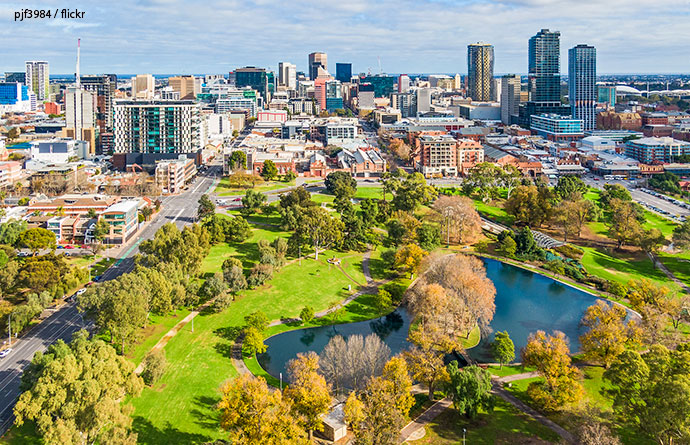
Adelaide
Always verify the exact subclass and requirements on the Department of Home Affairs site before applying. Visa rules change, and fine details (points, occupations lists, exemptions) are important.
Skilled visas (points-tested): e.g., Skilled Independent (Subclass 189) and related streams. Points are awarded for age, experience, English, qualifications, etc. These visas can lead to permanent residency.
Employer-sponsored work visas: your employer sponsors you (temporary or permanent options).
Family visas: partner, parent, or child sponsorship.
Student visas: study then work options (post-study work). A popular route for younger migrants.
Humanitarian / refugee visas: separate streams for protection claims or humanitarian programs.
Pro tip: Skilled migration often uses an “Expression of Interest” (EOI) and invitation system. If your occupation is on a relevant skilled list and you have a good points score, you’ll be competitive.
Healthcare and Vaccinations
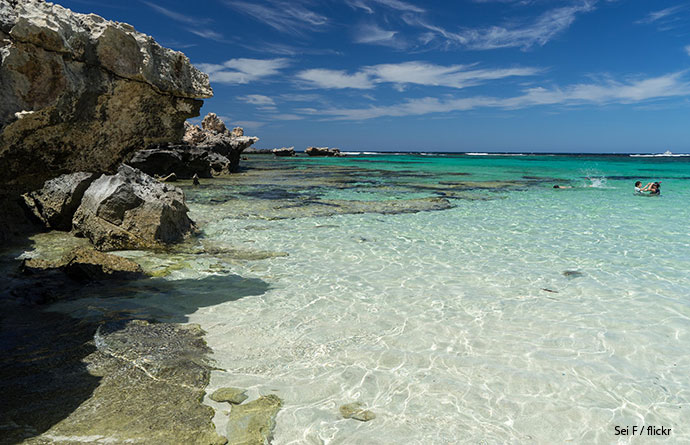
Little Salmon Bay, Rottnest Island
Healthcare
Australia’s public healthcare system is Medicare. Citizens and permanent residents have good coverage; some temporary visa-holders from specific countries or covered by ministerial orders may access Medicare.
If you’re not eligible, you’ll need private health insurance, so always confirm entitlements before arrival.
Vaccinations
Routine vaccinations (MMR, tetanus, DTP, polio, influenza) should be up-to-date. CDC and Australian travel health guidance recommend being fully immunized against measles (MMR), and consider Hepatitis A and other boosters depending on travel history.
If you come from or transit through areas with yellow fever, check requirements. See the CDC or local health authority for current travel vaccine guidance.
You may also like to read: Best Countries to Retire to. In this guide, we look at some of the best countries to retire to and why.
Safety
Australia is generally safe, with low violent crime rates in most suburbs, good emergency services, and reliable law enforcement.
Natural hazards: bushfires, heatwaves, severe storms, and coastal flooding are the main risks. Learn local warnings, fire danger ratings, and local evacuation plans in fire-prone areas.
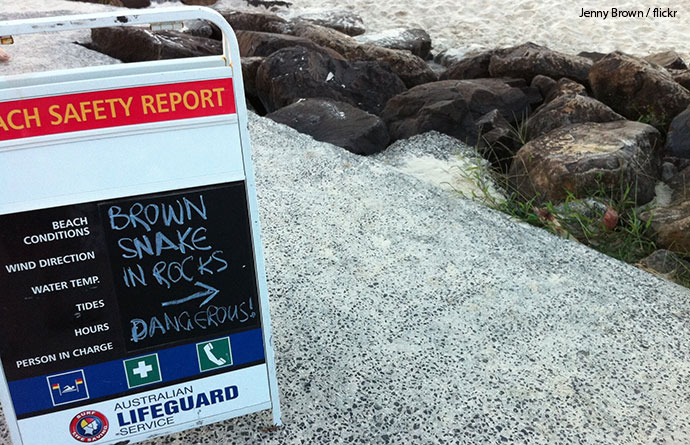
Poisonous reptiles and bugs. Maybe not a huge concern for some people, but something to be aware of.
You may also like to read: Moving to a New Place Alone. In this guide, we look at the challenges and solutions of moving to a new place on your own.
Best Places to Live
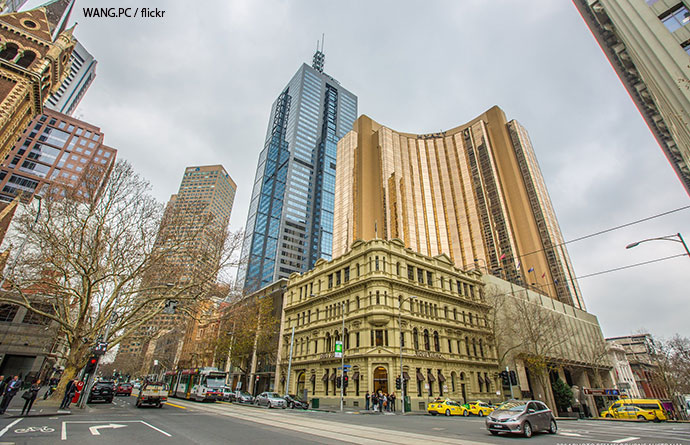
Melbourne
Choosing where to live depends on whether you want city vibes, beaches, cheaper housing, or you want to live in a quiet region.
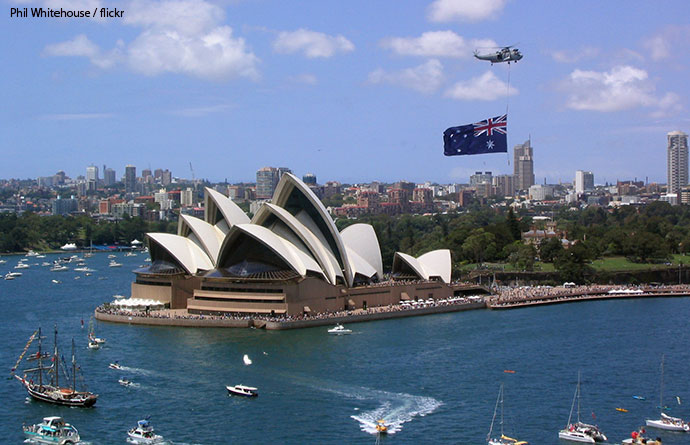
Sydney (NSW): iconic harbour, highest salaries, but also the most expensive housing.
Melbourne (VIC): culture, cafés, universities, slightly cheaper than Sydney in some suburbs.
Brisbane / Gold Coast (QLD): warmer, growing tech & services sectors, more affordable than Sydney/Melbourne.
Perth (WA): mining economy, isolated, but good for higher pay in resources.
Adelaide (SA) & Hobart (TAS): more affordable, slower pace, rising popularity with remote workers.
Canberra (ACT): government jobs, high incomes, great for families.
Quality-of-life rankings vary year-to-year; Melbourne often ranks highly for livability while Sydney remains expensive. For families, suburbs with good schools and parks are key, so check local school catchment maps.
You may also like to read: Choosing a New Neighborhood. In this guide, we suggest things to take into consideration when choosing which neighborhood to live in.
Schooling and Education
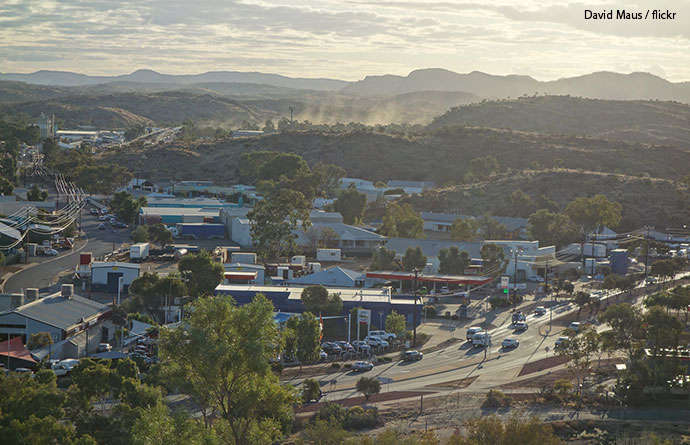
Northern Territory, Australia
Public (state) schools are generally free (local catchment applies) and of good quality. You’ll usually need to enroll through your state education department; proof of residency and immunization records are often required.
Private schools (independent or Catholic) charge fees but may offer scholarships.
School year: typically runs from late January/early February to December (four terms). Plan accordingly if you’re moving mid-year.
Universities: Australian universities are well-regarded; student visas commonly lead to post-study work opportunities.
You may also like to read: Choosing a New School. In this guide, we suggest things to take into consideration when choosing a n e school for your children.
Work Opportunities and Job Market
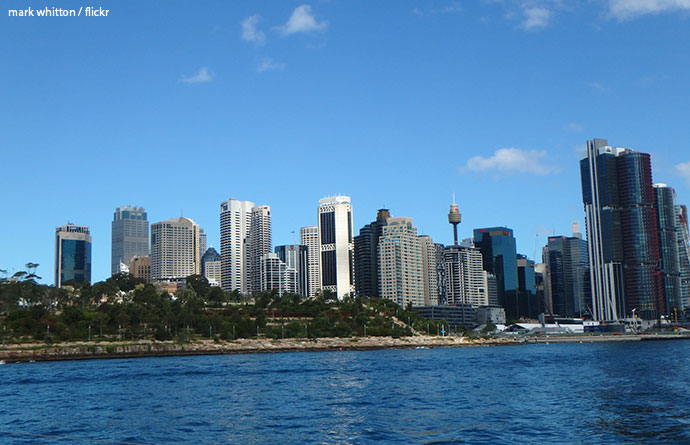
Sydney Australia
In-demand sectors: healthcare (nurses, GPs, aged care), IT & software, engineering, construction/trades, education, agriculture, and mining.
The federal and state occupation shortage lists and Jobs and Skills data are good sources to check which occupations are currently in shortage.
Tips to get work
Get qualifications assessed (for skilled visas).
Convert your CV to Australian format (shorter, achievement-focused).
Build local networks (LinkedIn, industry associations, recruiters).
Consider short-term or contract work to enter the market quickly.
You may also like to read: Moving for Work. In this guide, we look at the pros and cons of moving for a new job.
Cost of Living
Housing is the largest expense. Rents and property prices are highest in Sydney and some Melbourne suburbs; more affordable in Adelaide, Hobart, and regional cities. Expect rent for a one-bedroom inner-city apartment in major cities to be significantly higher than in regional areas.
Groceries & utilities will vary by city, but are generally comparable to other high-income countries; electricity can be expensive in summer if running air conditioning a lot.
Transport: cities have decent public transport; owning a car is common outside city centers.
Climate Change
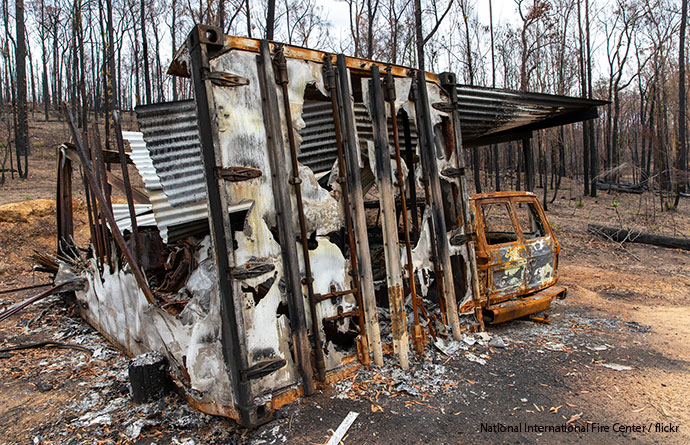
Orbust, Victoria
Australia’s climate is changing: more extreme heat events, longer fire seasons, harsher storms, and rising seas. Coastal properties may face sea-level risks; inland properties and properties near the bush may face increasing fire risks. Check local climate vulnerability, insurance availability/costs, and local council hazard maps before buying. Living choices (e.g., near bushland) should consider lifestyle benefits against increasing natural hazard risk.
You may also like to read: Where to Move to Avoid Climate Change. In this guide, we look at how climate change may affect your choice of where to live next.
Shipping Times
Sea freight (container) is the most economical for a full household: expect 30–60 days door-to-door from Europe/North America, sometimes longer during peak seasons or when there is port congestion. Transit time varies by origin, destination port, carrier schedule, and whether you use consolidated (LCL) or full container (FCL) service.
Air freight is much faster (a few days to 2 weeks door-to-door) but very expensive. So best left for essentials or urgent items.
Customs & quarantine: Australia has strict biosecurity rules. Many household items (food, plants, wooden furniture, and certain sports gear) require declaration and cleaning/treatment; failure to declare can lead to fines and delays. Use a reputable international mover who understands Australian quarantine requirements.
On arrival: collect essentials, inspect the shipped container, and follow quarantine instructions.
You may also like to read: Moving Abroad Checklist. In this guide, we have created a comprehensive checklist for moving overseas.
Tips for Everyday Life
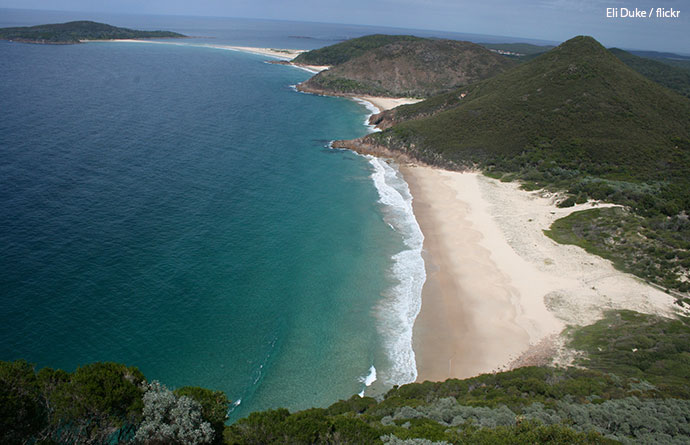
Newcastle, Australia
Open a bank account early (many banks let you set up accounts from overseas).
Get an Australian tax file number (TFN) when you plan to work, as employers need it to avoid higher withholding.
Mobile & internet: prepay SIM cards are widely available at airports and retail stores.
Driving: You can usually drive on an overseas license for a period, but rules vary by state, so check the local transport authority. Some countries require a conversion or local test after a set time.
Social life & community: join local clubs, sports teams, and expat groups; volunteering is an excellent way to meet people and show local experience on CVs.
Cost-saving everyday tips: shopping at markets, loyalty programs, using public transport passes, and switching energy plans will save you money.
Should you Rent or Buy?
Renting first gives flexibility while you check out the neighborhoods and school catchments. Expect a bond (security deposit) equal to 4–6 weeks’ rent and references.
Buying can be pricey in major cities, but it may be better for long-term settlers. Research stamp duty, conveyancing, and local council regulations.
Money Matters
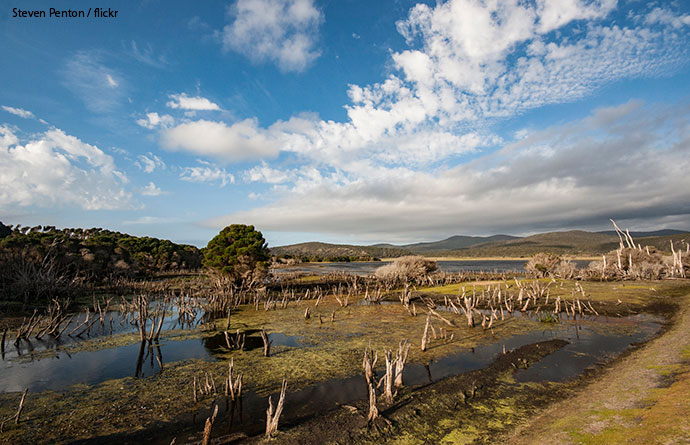
Narawntapu National Park, Tasmania
Tax residency affects how you’re taxed. Australia taxes residents on worldwide income. Get advice from an international tax adviser if you plan to maintain assets overseas.
Superannuation: employers usually contribute to a retirement fund. Understand your entitlements and how to roll over funds if you leave Australia.
Insurance: consider contents, building, health (if not Medicare-eligible), and income protection insurance.
Academic & professional qualifications (certified)
Police checks (for school enrollments or jobs that require them)
Medical & vaccination records
International driver’s license or certified translation of license
Shipping inventory & mover contract
Travel insurance, plus private health insurance if needed
Housing research and short-term accommodation on arrival
FAQ’s
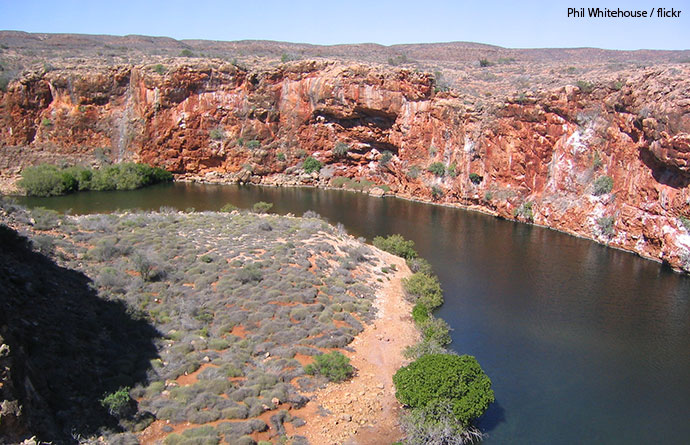
North West Cape
Q: How long does it take to move to Australia with a full container? A: Sea freight door-to-door is typically 30–60 days, depending on origin, port, and carrier; allow additional time for customs/quarantine
Q: Can I access Medicare on a temporary visa? A: Some temporary visa-holders can access Medicare depending on visa subclass and ministerial orders. Check Services Australia and Home Affairs for your visa’s entitlements.
Q: Which Australian cities are best for jobs? A: Major job markets: Sydney, Melbourne, Brisbane, Perth, and Canberra; sector demand varies — healthcare, IT, and trades are consistently in need.
Q: Do I need vaccinations to move to Australia? A: No vaccination is universally required for entry, but routine immunizations (MMR, tetanus) should be up-to-date; some vaccines are recommended for travel. Check CDC/Australian health guidance.
You may also like to read: Shipping Your Car Internationally. In this guide, you will find lots of useful tips and information about shipping your car overseas.
Tips for Moving to Australia
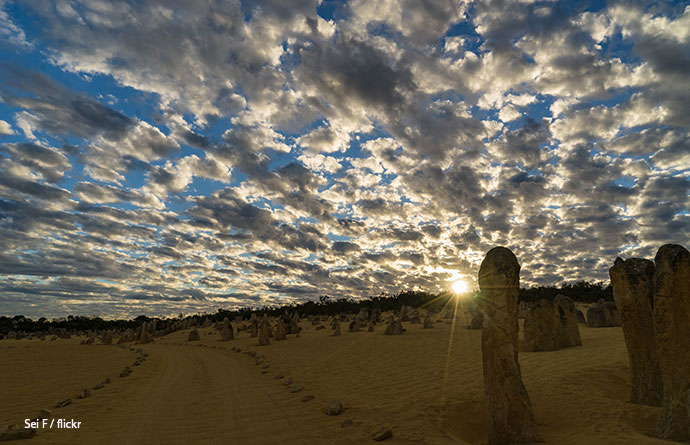
Pinnacles Desert
Start early: visa processes, qualification assessments, and shipping bookings take time.
Budget for surprises: quarantine fumigation, port delays, and bridging periods between arrival and ship delivery are common.
Learn local rules: Australia is federated — rules differ by state (driving, education enrollment, and some health entitlements).
Think long-term about climate: coastal or bush-adjacent homes may carry increasing risk and insurance costs.
You may also like to read: Moving Pets Overseas. In this guide, you will find practical tips and useful information about moving your pets abroad.
Good luck with your move to Australia, and be sure to visit our home moving blog, which is packed with guides to make every aspect of your home move easier, cheaper, and safer.
*At MoveAdvisor we will connect you with a professional moving company. Please note that we may not be affiliated with
and you may be speaking with another licensed provider.
We use cookies to optimise your experience.Accept and close or Learn more






Share your thoughts by leaving a comment