With a high quality of life, easy integration, great transport links, and a family-oriented lifestyle, it is easy to see why so many people want to move to the Netherlands.
In this week’s home moving blog, we focus on practical tips to make your move and integration to the Netherlands as easy as possible.
Why People Move to the Netherlands
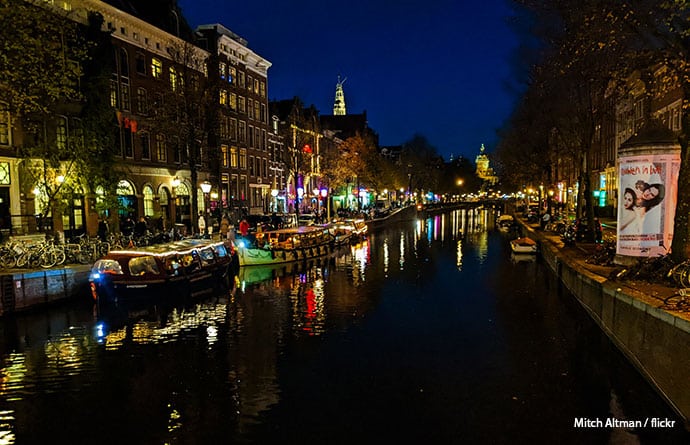
Amsterdam
Jobs & careers: strong tech, high-tech manufacturing, finance, logistics, life sciences, and sustainable energy sectors; there are attractive packages for highly skilled migrants and international hires.
Quality of life: excellent cycling infrastructure, compact cities with short commutes, generous parental leave policies, and a strong international community.
Education: internationally recognized universities and many international schools make it family-friendly for expats.
Location: central in Europe with superb transport links (Schiphol airport, fast trains, ports).
English fluency: the Dutch rank among the world’s top non-native English speakers, easing early integration.
How Much do Movers Cost?
Save up to 40% on your upcoming move and get a quote from reputable moving experts.
High English proficiency and large expat communities.
Safe streets and well-maintained public infrastructure.
Cons
A competitive, expensive housing market in Amsterdam and the major cities.
Weather: wet, windy, and frequently grey.
Bureaucracy can be slow and form-intensive (registrations, permits, taxes).
High taxes (but paid-for public services).
Bike theft and online crime are notable issues to watch.
You may also like to read: I Want to Move, but my Partner Says No. In this guide, we offer some solutions and compromises to this very common home-moving problem.
Cost of Living
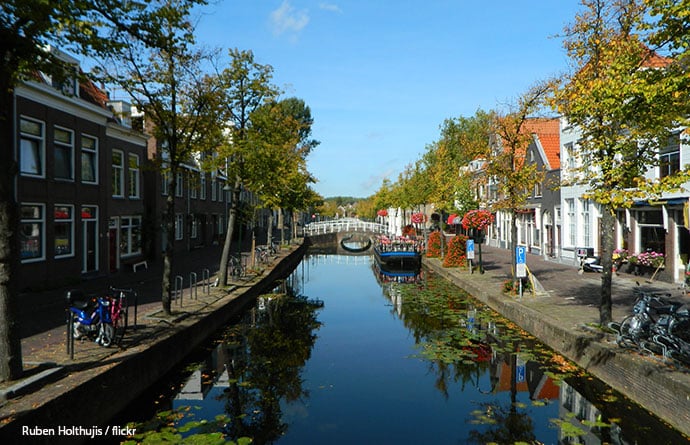
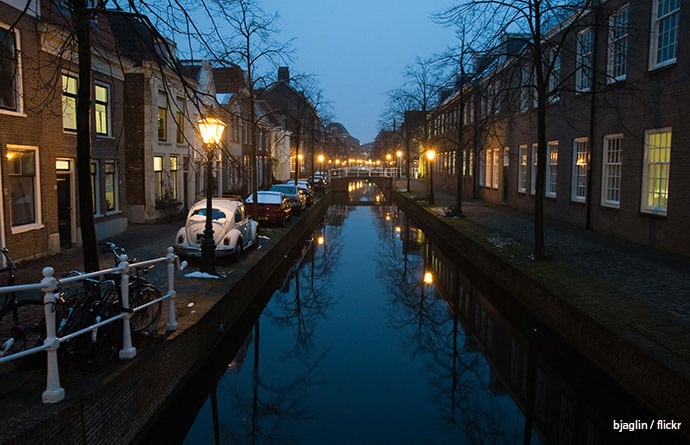
Delft
Costs vary hugely by city and lifestyle. So these are just averages to give you an idea of what to expect:
Single person (moderate lifestyle, excluding rent): €1,000–€1,600.
Family of four (moderate lifestyle, excluding rent): €3,500–€4,500.
Rent (major cities):
Amsterdam: one-bedroom private flats are often €1,200–€2,000+ per month; rooms and shared rentals are cheaper but competitive.
Smaller cities (Eindhoven, Groningen, Maastricht) are substantially cheaper, sometimes 30–50% less.
Tips: factor in utilities (€100–€200), health insurance (see below), transport (monthly public transport passes vary), groceries, and municipal taxes/garbage fees.
You may also like to read: Countries That Will Pay You to Move There. In this guide, we look at countries that offer incentives for people to move here and what the criteria are for each of those countries.
Visas
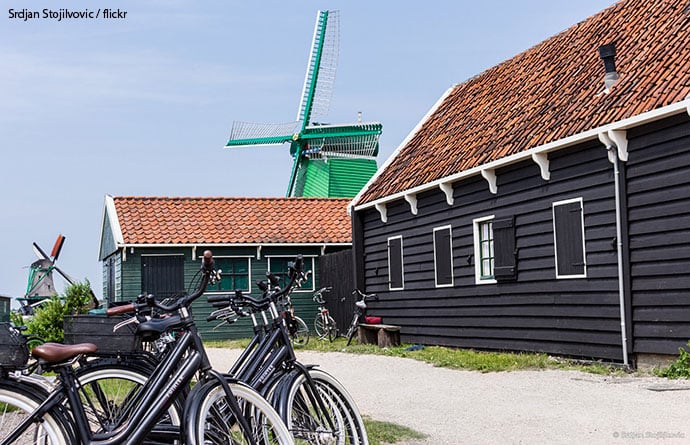
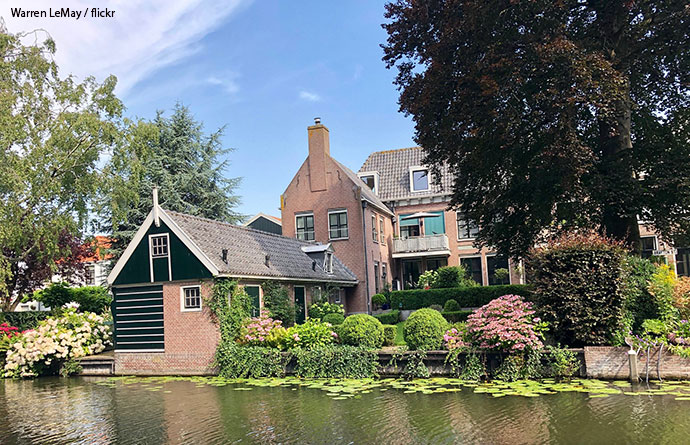
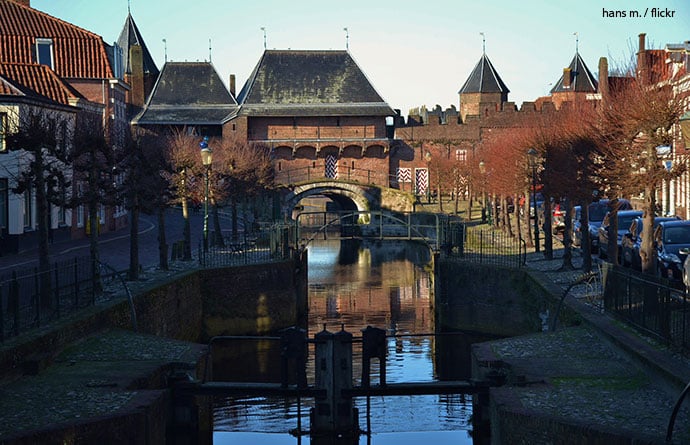
Edam Noord
The main visas are:
Highly Skilled Migrant (Kennismigrant): employer-sponsored fast-track for in-demand professionals; your employer applies to IND.
European Blue Card: for highly educated non-EU nationals meeting salary and qualification thresholds
Orientation Year (zoekjaar) for graduates: Allows recent graduates to look for work.
Intra-corporate transferee, entrepreneur, research, family reunion — several other permits exist depending on the situation. Always check IND for current procedures and any salary thresholds that may apply.
Practical steps
You or your employer applies (depending on visa).
Get an MVV (provisional residence permit) if required for your nationality.
Register with the municipality (gemeente) once you arrive to get a BSN (citizen service number). You need a BSN to open a bank account, pay taxes, and access healthcare.
Compulsory basic insurance: everyone living or working in the Netherlands must take out a standard health insurance policy with a private insurer; The state provides healthcare benefit (zorgtoeslag) if your income is low.
How it works: you pay a monthly premium and a compulsory excess (eigen risico). GP (huisarts) is usually the gateway for secondary care, so register with one near your home.
Quality: high-quality, well-equipped hospitals and a strong primary care system.
Ensure that you sign up for insurance within 4 months of registering with the municipality; if you previously had coverage abroad, check CAK/insurer rules for exceptions.
You may also like to read: Best Countries to Retire to. In this guide, we explore the best countries for Americans to move to and why.
Language: many companies use English as a working language, especially in tech and startups, but Dutch is often required for customer-facing roles, the public sector, healthcare, and many SMEs.
Salaries & taxes: Dutch tax rates are progressive; employers often offer a 30% ruling for certain expat hires (tax break), so check eligibility and apply early. (Official tax sites and your employer’s HR will guide you.)
You may also like to read: Moving for Work. In this guide, we look at the pros and cons of moving for a new job.
Housing
Leiden
The Netherlands is experiencing a housing crunch in major cities; social housing supply is limited, and private rent is expensive. Newcomers can expect competition and long waiting lists for affordable homes.
Search Funda (for buying), Pararius/Expat housing platforms, Facebook groups, and local brokers (makelaar). Consider commuting from satellite cities where prices are usually far lower.
You may also like to read: How to Choose a New Neighborhood. In this guide, we suggest things to take into consideration when choosing a neighborhood to live in.
Shipping Household Goods
Air freight: fastest but expensive. Typically 3–10 days door-to-door (plus customs).
Sea freight (most common for full moves):20–45 days typical transit time; depending on the origin port, carrier, season, and customs, expect 4–8 weeks from pickup to delivery as a rough rule. Allow extra time for customs clearance and inland transit.
Customs & paperwork: household goods may be imported duty-free if you meet the used-goods/move rules, so check customs forms and provide inventory lists. Use reputable international movers and insure your shipment.
You may also like to read: How to Choose an International Mover. In this guide, we take you step-by-step through the process of picking a reputable international mover.
Schooling and Childcare
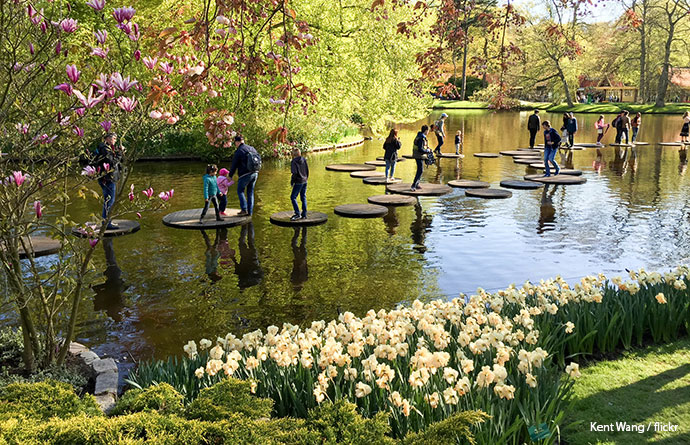
Keukenhof
Public system: high quality and mostly free; primary school (basisschool) is 8 years, then secondary streams (VMBO/HAVO/VWO) based on ability.
International schools: many cities have international schools (IB, British, American curricula); waiting lists and tuition apply. Popular choices include the International School of Amsterdam, British School in the Netherlands, AICS, and others.
Childcare costs: can be high; government childcare allowance (kinderopvangtoeslag) is available for eligible parents.
You may also like to read: How to Choose a School. In this guide, we suggest things to take into consideration when choosing a school for your children.
Language and Integration
Dutch is useful: while English is widely spoken, learning Dutch helps socially and professionally and is a requirement for some long-term visas.
Integration courses: for long-term residence or citizenship, the civic integration exam (inburgering) may be required; local municipalities and language schools offer courses.
Tips: join local clubs, volunteer, take Dutch classes (NT2), use Meetup/Expat groups, and cycle to get to know your neighborhood.
Best Places for Expats (and why)
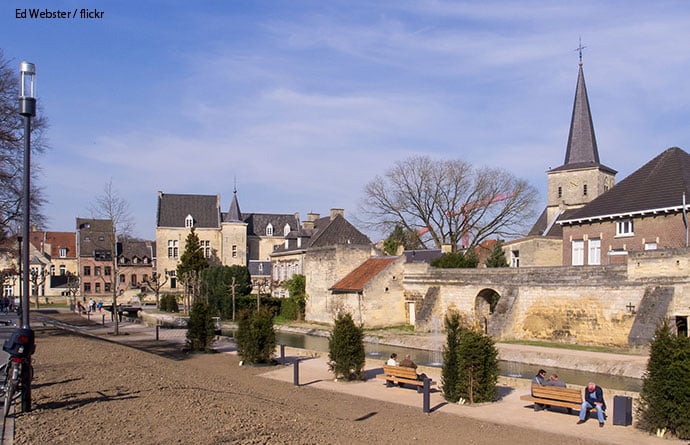
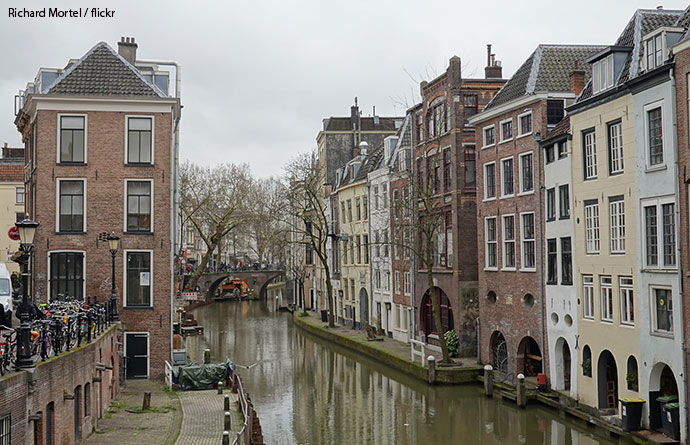
Old Utrecht
Amsterdam: international jobs, culture, great transport, but expensive and touristy.
Rotterdam: modern, port economy, beautiful architecture, slightly cheaper than Amsterdam, and very international
The Hague: many embassies, international courts, and NGOs, so it is good for diplomats and the foreign service.
Utrecht: central location, great rail links, family-friendly urban life.
Eindhoven: tech hub (Brainport), good for engineers and R&D professionals.
Groningen: vibrant student city, affordable and friendly, good for families seeking a quieter pace.
Safety and Crime
The Netherlands is generally safe by international standards, with good policing and public services. However, property crimes (bicycle theft, theft from cars) and online fraud have been rising trends to be aware of.
You may also like to read: Moving Home Alone. In this guide, we explore the challenges and solutions faced by anyone moving on their own.
Taxes, Social Security, and Pensions
Old Holland
Dutch income tax is progressive and funds social security and healthcare. Expect employer/employee contributions for social insurance (pension, unemployment). Research the 30% ruling (if applicable) with your employer; it can be a significant tax advantage for certain incoming expats. Always consult a tax advisor for your situation.
You may also like to read: Moving After Retirement. In this guide, we look at the pros and cons of moving after retirement.
Moving Checklist
Decide visa route; get employer to start the IND process if applicable.
Get travel/health insurance for the move.
Book an international mover; decide air vs sea freight & ask about transit times (expect 4–8 weeks for sea).
Find temporary housing for arrival (short-term rentals or serviced apartments).
Prepare documents: passports, birth/marriage certificates (apostilled/translated if required), diplomas, reference letters, driver’s license, medical records, and vaccination records.
Research schools and apply early if you have children.
On arrival: register at the gemeente, get a BSN, open a bank account, and take out health insurance within the allowed period.
You may also like to read: Moving Abroad Checklist. Here we have created a comprehensive checklist to ensure that no important moving task is forgotten.
Integration Tips
Paleis Het Loo Apeldoorn
Apply for zorgtoeslag (healthcare benefit) if income-eligible.
Shop at markets and discount supermarkets (Aldi, Lidl, Jumbo, Albert Heijn) for lower grocery bills.
Bike instead of owning a car in cities, which dramatically reduces costs.
Join local Facebook/Marktplaats groups for second-hand furniture to save on furnishing costs.
You may also like to read: How to Ship a Car Internationally. In this guide, we explain the steps to take to ensure that you pick the right vehicle shipper.
MoveAdvisor – to find reputable international movers
Is the Netherlands Right for You?
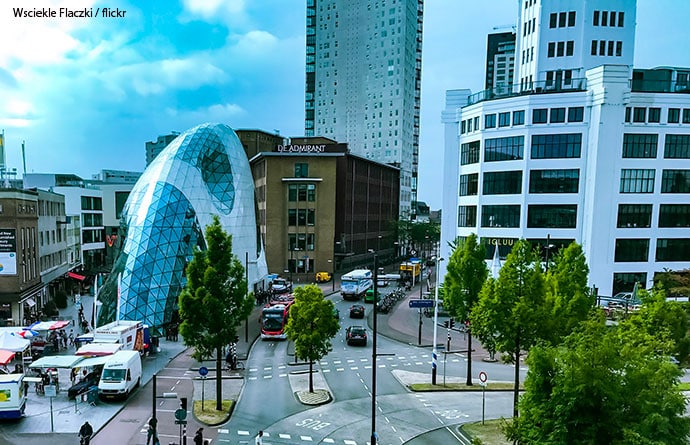
Eindhoven
If you value high-quality public services, a strong international job market (especially in tech, logistics, and life sciences), and excellent transport and education, then the Netherlands is a great place to live.
If housing affordability or grey winters are deal-breakers, you might prefer smaller Dutch cities or nearby countries.
Plan ahead for finding housing and getting your visa, learn some Dutch, and use the extensive expat networks, as they make integration much faster.
Good luck with your move, and be sure to visit our home moving blog which is packed with guides to make every aspect of your home move easier, cheaper, and safer.
*At MoveAdvisor we will connect you with a professional moving company. Please note that we may not be affiliated with
and you may be speaking with another licensed provider.
We use cookies to optimise your experience.Accept and close or Learn more







Share your thoughts by leaving a comment