Switzerland offers a high quality of life, excellent public services, safety, and good salaries.
With stunning scenery, an outdoor lifestyle, super clean towns and villages (once, as I was walking through Bern, I saw a road digger get up out of the trench to put his cigarette butt in a bin 20 meters away!).
Its great location within Europe ensures Switzerland continues to be a very desirable country to move to.
But it’s expensive, life admin can be overwhelming, and different rules apply from canton to canton, so choose wisely.
In this guide, you will find practical tips to make your move to Switzerland easier.
Why People Move to Switzerland
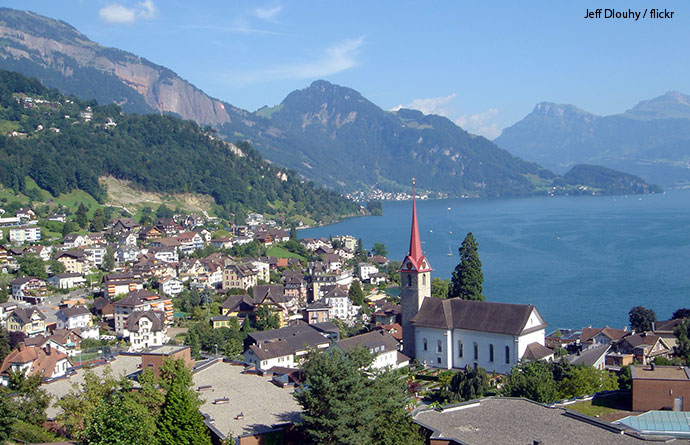
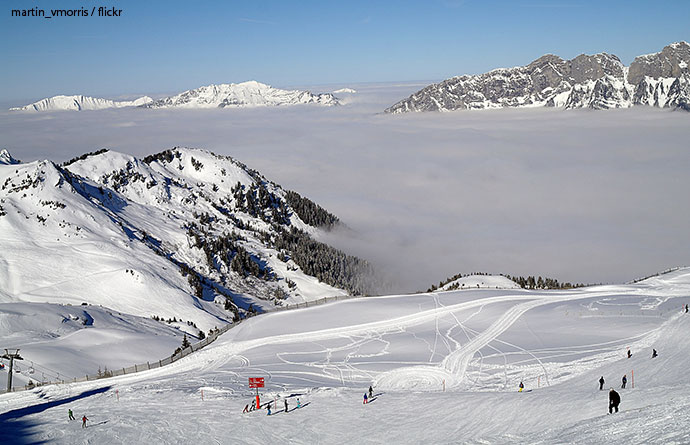
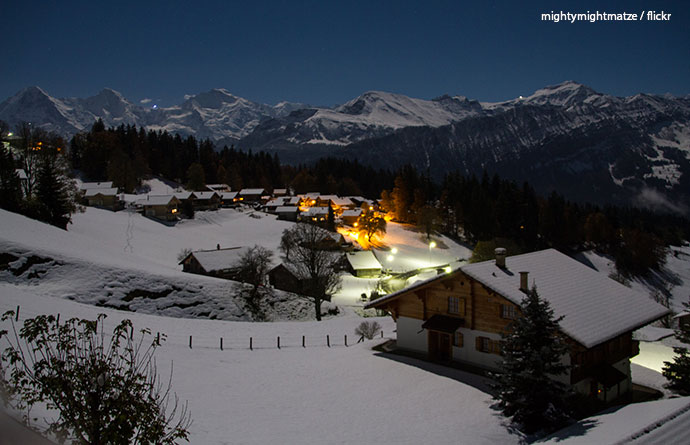
Amden – Switzerland
High salaries and a stable economy — strong finance, pharma, medtech, and HQs for multinationals.
Quality of life — clean cities, excellent public transport, low crime rates, and easy access to stunning scenery.
Excellent healthcare and education systems — universal access via mandatory insurance and well-regarded international schools in urban areas.
Central location in Europe — easy travel to EU capitals (and the Swiss trains are just pure luxury)
Political and legal stability — predictable business environment and low corruption
Chocolate and cheese – OK, maybe not a primary reason, but it should be
Switzerland attracts professionals, families, and retirees alike; many expats come on employer-sponsored contracts, while affluent retirees and remote workers move here for safety and the lifestyle.
A Schengen short-stay visa (if required) covers tourist/business visits of up to 90 days within any 180 days. Apply at Swiss missions.
Long stays ( over 90 days) / Working in Switzerland
Residence permits are canton-issued — after arrival, you register with the cantonal migration office and municipality; the type depends on nationality, job type, and length. Typical permit types:
L permit — short-term (up to 1 year) for limited contracts.
B permit — initial residence permit (usually for employed EU/EFTA and some non-EU skilled workers) — often annual and renewable.
C permit — settlement/permanent residency (after several years and conditions met).
G permit — cross-border commuter permit (for those living in neighboring countries and working in Switzerland).
National long-stay visa (type D) — for applying for long-term residence from abroad before entry (often needed for non-EU/EFTA nationals).
EU/EFTA citizens have simplified entry but still must register locally.
Non-EU/EFTA nationals typically require employer sponsorship and a visa for entry.
Cantons control quotas and decisions for many work permits. Your employer’s HR or a migration lawyer is frequently essential for complex cases.
Cost of Living
Zurich – Switzerland
Switzerland consistently ranks among the most expensive countries in which to live. These ballpark figures will give you a snapshot, but will vary by city and lifestyle:
Rent (monthly, unfurnished):
1-bed in city centre (Zurich/Geneva): CHF 1,800–3,500+
1-bed outside centre: CHF 1,200–2,200 (Families need 2–4 bedrooms: CHF 3,000–6,000+ in city centres).
Groceries & dining: supermarket bills are high compared with many countries; restaurant meals are pricey. Expect groceries to be roughly 20–50% higher than the EU average
Utilities & internet: CHF 150–350/month (depends on size and canton).
Health insurance premiums: mandatory basic insurance CHF 250–600+ per adult/month (varies widely by canton, deductible, and insurer).
Transport: monthly public transport passes vary by region (e.g., CHF 70–250); Swiss Travel Pass options/discounts for commuters vary by canton.
Tax note: Switzerland has federal, cantonal, and municipal taxes. Your total tax depends strongly on the canton (Zug and some parts of Geneva/Zurich differ significantly). Use the federal tax calculator to compare cantons.
Healthcare
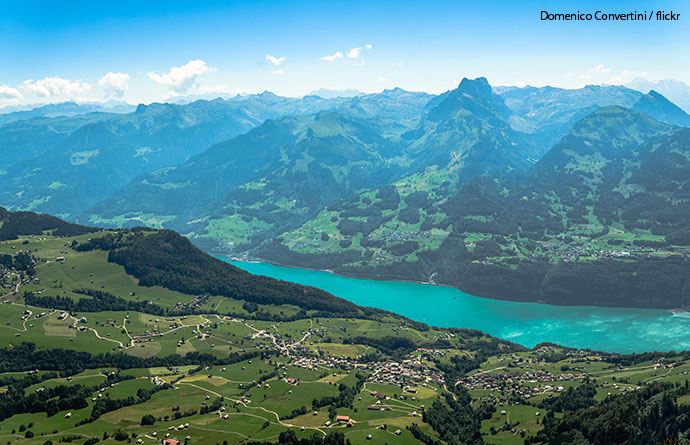
Flumserberg – Switzerland
Mandatory private basic health insurance (LAMal/KVG): Everyone living in Switzerland must take out basic health insurance within 3 months of arrival. Insurers are private companies, but coverage is regulated to provide a defined range of services. Premiums vary by canton, age, insurer, and deductibles. You can buy supplementary insurance for extras like private wards or broader dental cover.
How to choose: compare excess/deductible levels, hospital options (general vs private), and the insurer’s network. Many expats use comparison sites and brokers. Changing insurers is possible during annual switching windows.
Healthcare Tips
Budget for premiums from month one. Premium costs are high even if you don’t use many services.
If arriving with chronic conditions, declare them honestly and check the waiting periods for supplementary cover.
You may also like to read: Best Countries to Retire to. In this guide, we look at some of the most popular countries to move to after retirement and why they are so popular.
Schools and Education
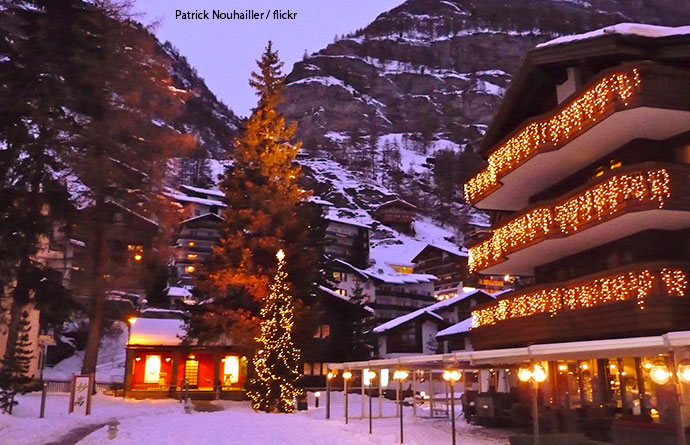
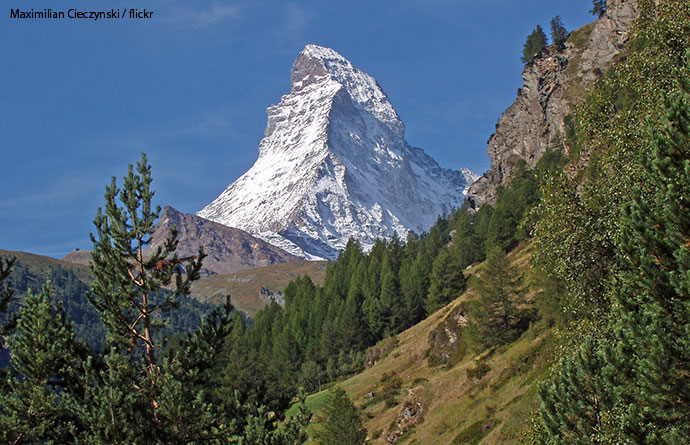
Zermatt – Switzerland
Public (state) schools
Free and high-quality; the language of instruction depends on the canton (German, French, Italian, or Romansh). Public schools are generally local and integrate children into Swiss society quickly.
International and private schools
Frequently used by expatriates and diplomats. Tuition fees range widely but typically CHF 15,000–30,000+ per year for many international/private schools. Boarding schools (popular with international families) have higher fees. Be aware of application deadlines (often early in the year for the next academic year).
Things to Consider
If you plan long-term integration, local public schools and language learning are excellent. For short assignments or English-only education, international schools are convenient but expensive and sometimes over-subscribed in major cities. Apply early and research availability in the canton you’ll live in.
You may also like to read: How to Choose a New School. In this guide, we suggest things to take into consideration when choosing a new school.
Jobs and Working in Switzerland
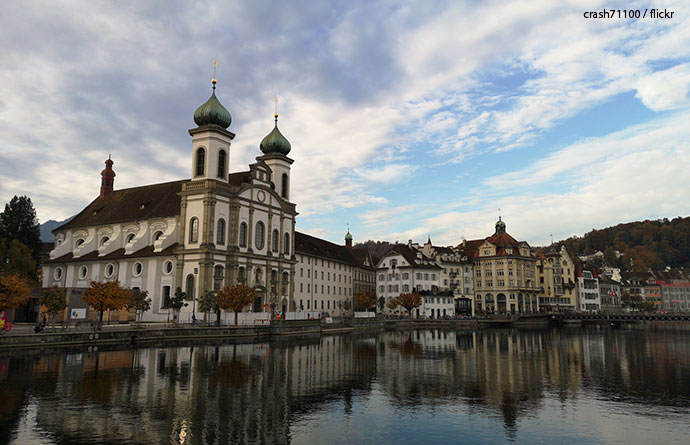
Lucerne – Switzerland
Sectors that hire internationals: finance, pharmaceuticals, medtech, engineering, IT, hospitality, research, and international NGOs. Multinationals in Basel, Zurich, Geneva, and Zug are big employers.
Language: English is widely used in multinational workplaces, especially in Zurich and Geneva, but local language skills (German/French/Italian) increase job opportunities and integration.
Work contract & social security: expect detailed contracts; employers typically handle work permit paperwork for non-EU/EFTA employees. Swiss social security (AHV/AVS) contributions are withheld from salary.
Job search: local job boards, LinkedIn, company career pages, recruiters. For specialist roles, recruitment via headhunters is common.
You may also like to read: Moving for Work. In this guide, we look at the pros and cons of moving for a new job.
Tips for Living in Switzerland
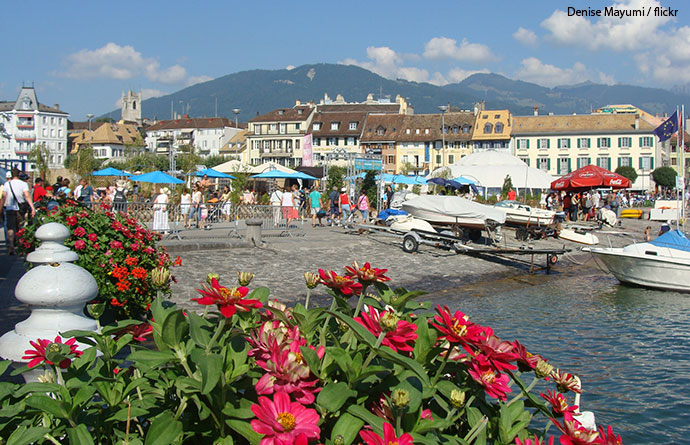
Vevey – Switzerland
Retirees
Residency for retirees: non-EU/EFTA retirees may apply for residence permits as financially independent persons if they can demonstrate sufficient means, ties to Switzerland, and insurance; approval is canton-dependent. Many retirees settle in French- or Italian-speaking cantons where prices can be lower than in Zurich/Geneva, but eligibility and taxes vary.
Healthcare & pensions: retirees also must carry mandatory Swiss health insurance; your home-country pension may be taxable depending on treaties. Consult a tax advisor experienced with Swiss rules.
Tip: If you’re a retiree with significant assets, consult both a Swiss migration and tax advisor early, as requirements and acceptable proofs of financial means differ by canton.
Families
Priorities: space (2–4 bedroom housing), access to good schools (international or public), childcare/daycare availability (often limited and expensive), proximity to parks and community. Canton-level family benefits vary (child allowances, subsidies).
Singles
Priorities: central location, social life, networking. Single expats often cluster in cities (Zurich, Geneva, Lausanne) for nightlife and jobs, but pay higher rent.
Both
Consider commute times (Swiss public transport is excellent, but living closer to work reduces cost/travel time), local language classes, and community groups (many expat associations and language cafés help build social networks).
You may also like to read: Moving After Retirement. In this guide, we look at the pros and cons of moving home after you have retired.
Best Places for Expats to Live
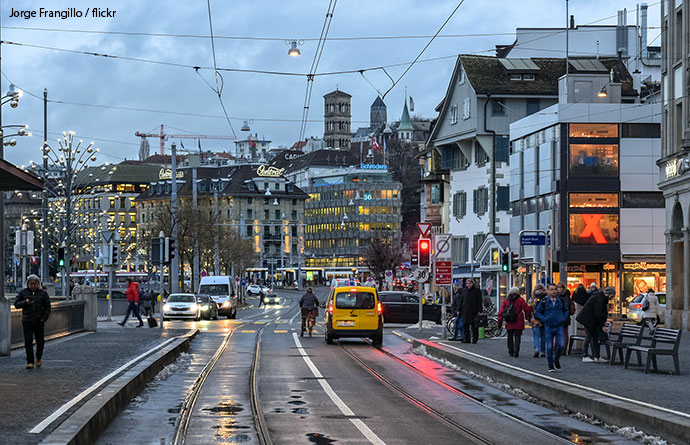
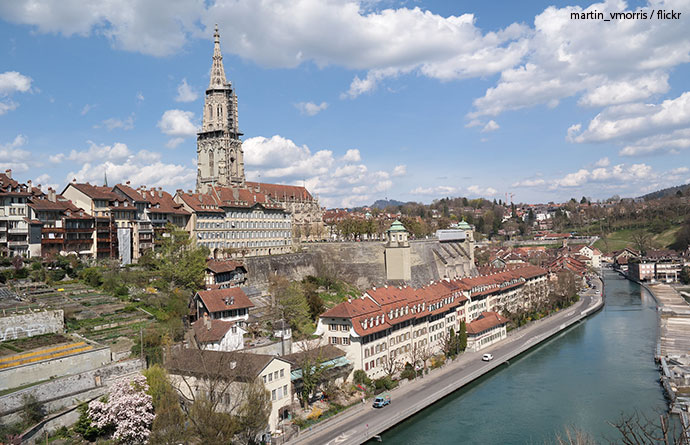
Bern – Switzerland
Popular expat-friendly cities (each has pros/cons):
Zurich — finance, tech, best for jobs and salaries, but has expensive housing.
Geneva — international organizations, diplomacy; expensive but highly international.
Basel — pharma and life sciences hub.
Lausanne — good for international schools, with a nice lakeside lifestyle.
Zug — low taxes and business-friendly, although expensive.
Lucerne, Winterthur, Bern, Lugano — good alternatives with different language and lifestyle mixes.
How to choose: job location, language region, and family/school needs should steer the decision. Smaller cantons often offer lower taxes and housing costs but fewer international job opportunities.
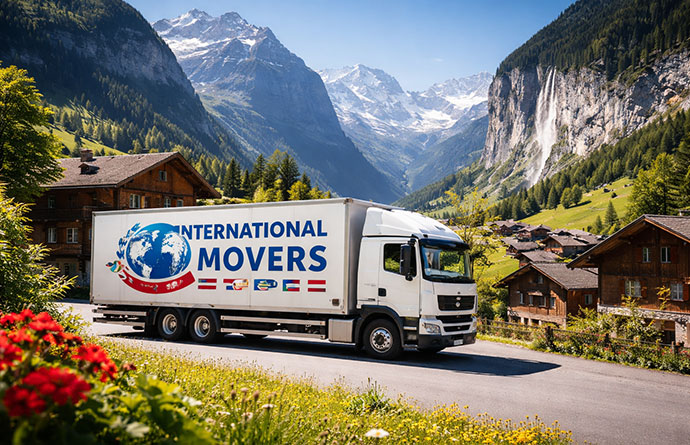
Sea freight (cheapest): typically 4–8 weeks from Europe/East Coast US (longer from Asia).
Air freight (fastest, but most expensive): days to 2 weeks.
Door-to-door international movers usually provide estimates; allow a buffer for Swiss customs inspection and canton registration processing.
Customs and import rules
VAT & duty: From January 1, 2025 Swiss VAT import threshold was lowered to CHF 150; goods with a value over CHF 150 are subject to VAT and possibly customs duties. Household removals for persons relocating generally have exemptions if you prove residency and items are used/personal, but paperwork is mandatory. Check the Federal Customs Administration rules for “household goods relocation” and prepare inventories, proof of residence, and purchase/ownership proofs where relevant.
Tip: Use a relocation company experienced with Swiss customs to avoid delays; they’ll handle paperwork (inventory list, de-minimis thresholds, and exemptions).
You may also like to read: Choosing an International Mover. It is essential that you choose a good mover to help with your overseas move. In this guide, we take you step-by-step through the process of picking a good international mover.
Banking, Money, and Taxes
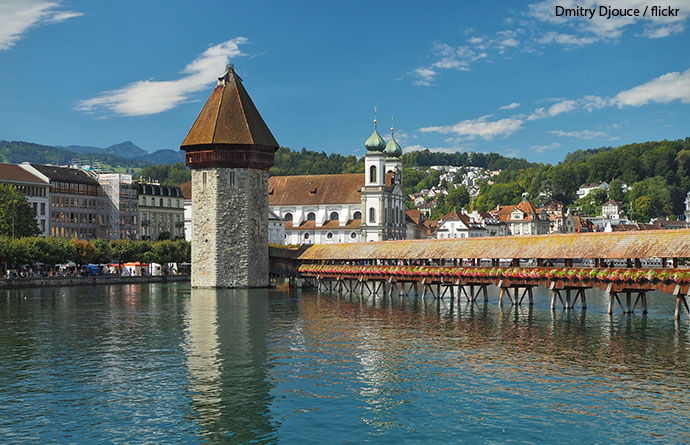
Kapellbruke – Switzerland
Opening an account: Swiss banks require ID, address, and often proof of employment/residence. Some banks have minimum balance/fees for international clients. Swiss financial privacy is strong, but banking practices have changed. Be ready to declare tax residence.
Taxes: Federal, cantonal, and municipal; the canton matters enormously. Use the federal tax calculator or an advisor to compare net income across cantons. For high earners, canton selection can significantly affect net pay.
Public Transport and Driving
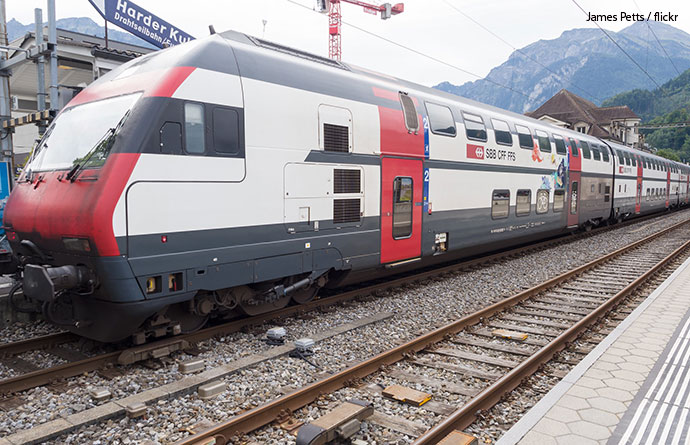
Swiss trains are clean, efficient, and very comfortable
Public transport: punctual with extensive coverage, and integrated across trains, buses, trams, and boats. Swiss Travel System and local passes make commuting straightforward.
Driving: many residents own cars (bear in mind that Alpine regions need winter equipment), but parking is expensive in cities. If you move residence from abroad, register your vehicle as per the cantonal rules.
You may also like to read: How to Ship a Car Abroad. In this guide, we explain the process and steps to follow when shipping your car overseas.
Integration Tips
Pfaffikon – Switzerland
Languages: Learning German (Swiss German dialects), French, and Italian really helps. English is common in business hubs.
Registration: register at your commune (Gemeinde) within the legal deadline, as failure to register can result in fines.
Phones/internet: good coverage and fast broadband; mobile carriers offer prepaid and contracts.
Recycling & waste separation: Is strictly enforced, so learn the local rules as fines apply.
Work-life balance: Swiss value punctuality, contract clarity, and leisure time. Respect business etiquette and local customs.
Moving Checklist
Pilatus – Switzerland
Research city & canton (jobs, taxes, schools). Use official canton pages.
Secure job/proof of funds (for non-working permit types or retirees).
Apply for a visa or have the employer start the permit process (if needed).
Arrange housing (short-term first if possible).
Book movers & check customs rules (household goods exemptions).
Register on arrival with the local municipality & get a residence permit.
Take out mandatory health insurance within the deadline.
Open a bank account, register for social insurance, and enroll children in school if relevant.
Learn local rules (waste, road, and parking) and join local expat groups.
You may also like to read: Moving Abroad Checklist. In this guide, we have created a comprehensive checklist for moving overseas so that you do not forget any important tasks.
Moveadvisor – Find reputable international movers /usa/international-movers
Planning Your Move
Decide the city by job and schools (if family). Compare taxes & housing.
Get the employer’s HR to start the permit application (if employed).
Book a short-term rental for arrival and start house hunting locally.
Hire an international mover familiar with Swiss customs and request a pre-move customs checklist.
Register upon arrival, then set up health insurance and a bank account in the first month.
You may also like to read: How to Move a Pet Overseas. In this guide, you will find practical advice to safely and legally move your pets abroad.
Things to Know
Beatenberg – Switzerland
Don’t underestimate costs (insurance, housing, school fees). Budget more than your home-country estimate.
Canton differences are huge — taxes, schools, health premiums, and even school calendars can differ. Compare before choosing where to settle.
Start paperwork early — permits and school placements can take months.
Language helps — even basic local language skills speed up integration and job prospects.
Use official resources for critical legal/immigration/tax questions; hire local professionals for complex tax/residency planning.
And if you like camping, I can thoroughly recommend the campsite in Beatenberg overlooking Lake Thun and the Bernese Alps. I have stayed there many times, and it still takes my breath away every time. Super clean, simple, but with stunning views.
Good luck with your move to Switzerland, and be sure to check out our home moving blog, which is packed with guides to make every aspect of your move cheaper, easier, and safer.
*At MoveAdvisor we will connect you with a professional moving company. Please note that we may not be affiliated with
and you may be speaking with another licensed provider.
We use cookies to optimise your experience.Accept and close or Learn more





Share your thoughts by leaving a comment