Singapore is one of the world’s most attractive destinations for expats thanks to its safety, efficiency, global business environment, and exceptional quality of life.
This explains why Singapore is consistently one of the most popular destinations that people seek international shipping quotes for from us.
So, in this week’s home moving blog, we look at visas, cost of living, housing, healthcare, safety, shipping times, pros & cons, expat neighborhoods, retirement considerations, and everything important when planning a move here.
Why Move to Singapore?
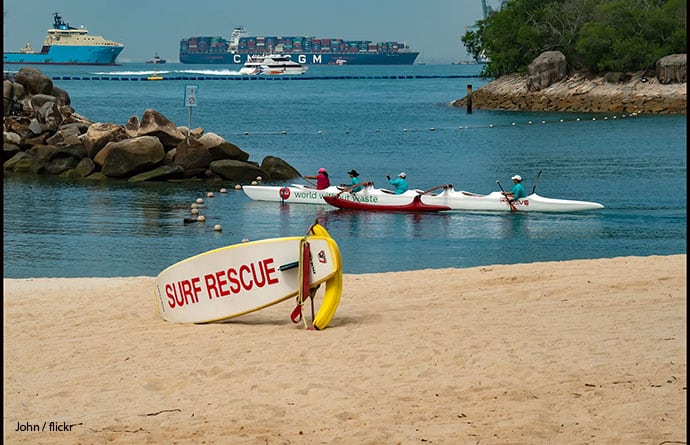
Sentosa Beach, Singapore
Singapore offers a unique blend of modern city living, multicultural diversity, political stability, and world-class infrastructure. Its strategic location also makes it a gateway to Southeast Asia.
Clean, efficient, and very well-managed city-state
English is widely spoken
You may also like to read: Best Countries for Americans to Move To. If you have not yet decided on which country to move to, then you will find this guide useful in helping you decide.
How Much do Movers Cost?
Save up to 40% on your upcoming move and get a quote from reputable moving experts.
Singapore has no “one-size-fits-all” visa. The right visa depends on your profession, income level, and purpose.
Most common visas:
Employment Pass (EP) – For professionals, managers, and executives. Requires a qualifying salary and employer sponsorship.
S Pass – For mid-skilled workers; subject to quotas.
EntrePass – For entrepreneurs building innovative, venture-backed, or scalable startups in Singapore.
Personalised Employment Pass (PEP) – For high-earning professionals; offers flexibility and isn’t tied to one employer.
Family Visas
Dependant’s Pass
Long-Term Visit Pass (LTVP / LTVP+) – Eligibility depends on the main pass holder’s salary and family status.
Permanent Residency (PR) – Selective and granted based on employment, economic contribution, family ties, or investment programs.
Important for retirees:
Singapore does not offer a dedicated retirement visa. Long-term residence requires PR, family ties, or investment eligibility.
You may also like to read: Best Countries for Retirees. In this guide, we look at more options of countries that people choose to retire to.
Cost of Living in Singapore
Singapore is consistently ranked among the most expensive cities for expats, driven by the cost of housing and rent, although salaries often offset this.
Typical monthly living costs (single expat):
Rent (central): SGD 2,500–5,500
Rent (non-central): SGD 1,800–3,500
Utilities: SGD 150–300
Internet/mobile: SGD 40–90
Groceries + dining: SGD 400–900
Public transport: SGD 80–200
Taxes
Singapore’s taxes are low, simple, and competitive, especially compared with Western countries.
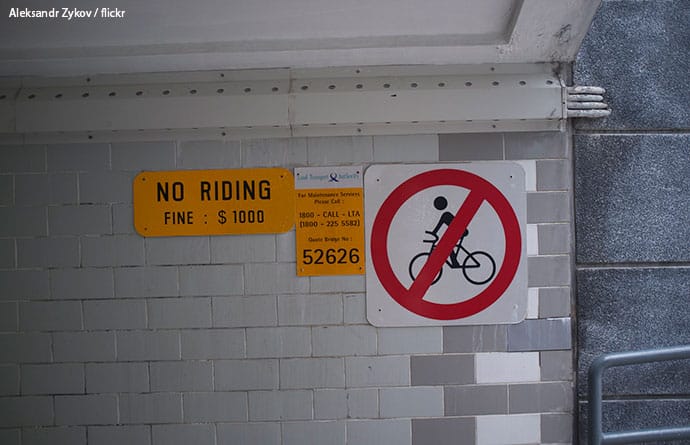
Rules are strict, the fines are high, and they are strictly enforced
Singapore is one of the safest places in the world with extremely low crime rates.
Be aware that:
Laws are strict but clearly enforced.
Drug laws are severe.
Littering, vandalism, and certain behaviors can result in fines.
Public spaces are heavily monitored and secure.
Cultural note: Singapore enforces laws that many Westerners find strict — public order, drug offences, vandalism, and certain public behaviour have significant penalties. Read up before you arrive and be mindful of local rules
You may also like to read: Home Moving Insurance. Being underinsured is one of the most common home-moving mistakes. This is especially true for international home moves. In this guide, we share all you need to know about insuring your move.
Healthcare in Singapore
National Orchid Garden, Singapore
Singapore has one of the world’s top healthcare systems, offering:
Cutting-edge hospitals
Highly trained specialists
Short wait times
Clean, efficient facilities
Expats usually rely on private insurance or employer-provided health plans.
You may also like to read: Relocation Depression. In this guide, we look at the causes and symptoms of relocation depression and what you can do to avoid it when moving to a new country.
Best Neighborhoods for Expats
Parks and outdoor spaces are clean and safe
Central (luxury & convenience)
Orchard
River Valley
Robertson Quay
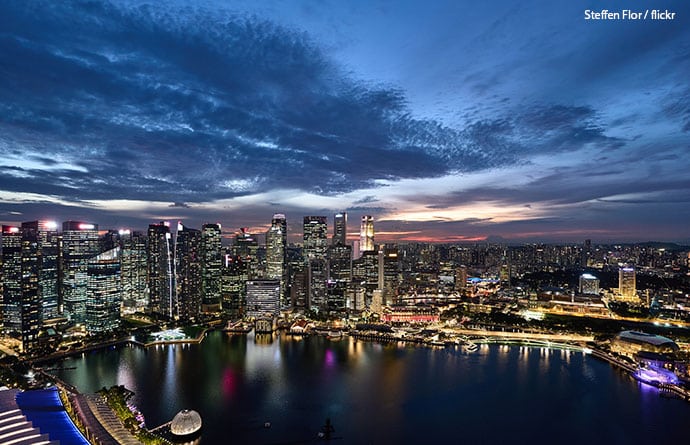
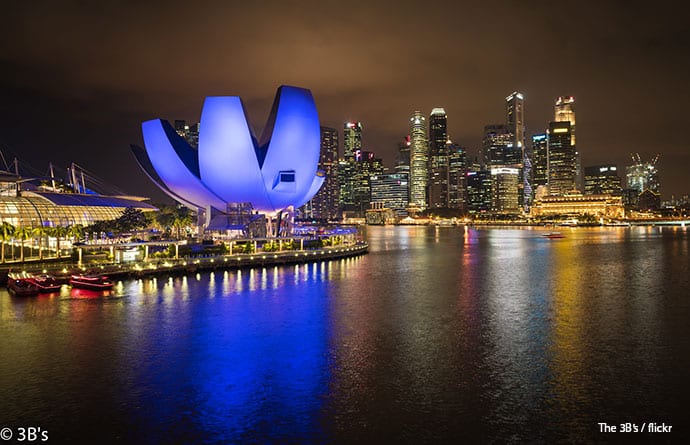
Marina Bay
Family-friendly & near schools
Holland Village
Bukit Timah
Tanglin
Coastal & relaxed
East Coast
Katong
Siglap
Trendy & cultural
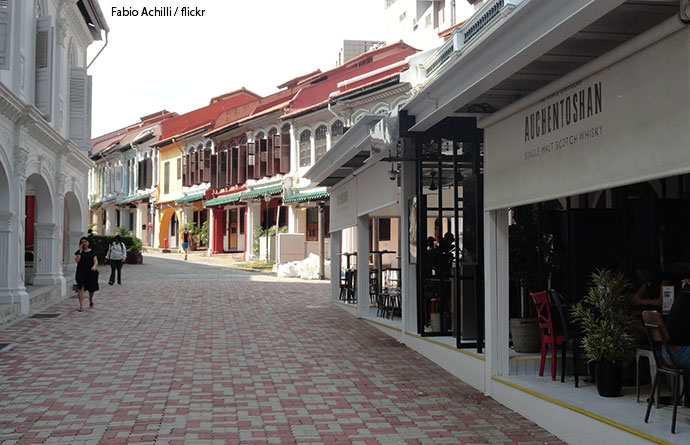
Tiong Bahru
Joo Chiat
Katong/Joo Chiat
These areas offer a mix of condos, eateries, and parks, and are all popular with expats.
You may also like to read: How to Choose a Great Neighborhood. In this guide, we suggest things to take into consideration when choosing a new neighborhood to move to.
Transportation in Singapore
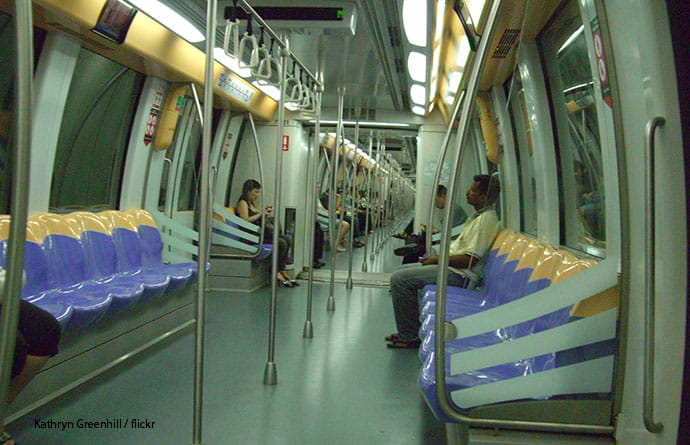
MRT Train, Singapore
Singapore’s public transport is one of the world’s best.
MRT (metro) is fast, safe, and extensive
Buses cover nearly all residential areas
Grab (ride-hailing) is widely used
Car ownership is extremely expensive due to COE costs, so most expats don’t own cars
Cycling infrastructure is growing
You may also like to read: How to Ship a Car Overseas. In this guide, you will find a comprehensive guide to shipping your car abroad.
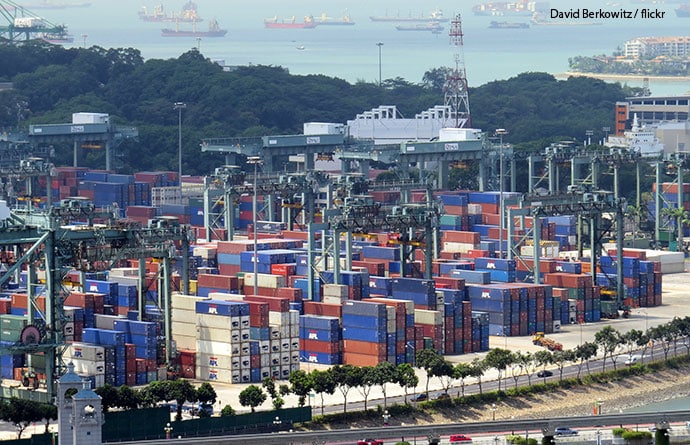
Shipping Times to Singapore (US & Europe)
Air Freight
Express: 1–3 days
Standard: 3–10 days
Sea Freight
Typical estimates:
US → Singapore: ~25–40+ days
Europe → Singapore: ~20–45+ days
Always get multiple door-to-door quotes, and plan for customs clearance time.
You may also like to read: How to Choose International Movers. Picking the right mover for your overseas relocation is essential. In this guide, we show you how to pick the best partner for your move.
To get an instant quote from up to 4 pre-vetted and licensed International movers, just fill out this quick form – it is free, quick, easy, and you are under no obligation.
Things to Know Before Moving
Choose a neighborhood based on commute and school access.
Understand local laws (e.g., no vaping allowed; strict drug rules).
Opening a bank account is straightforward once you have your pass and address.
Apply for school places early if you have children. International schools have waiting lists.
Get comprehensive health insurance (employer plan or private). Healthcare is excellent, but it can be pricey for private care.
Engage a relocation agent or shipping broker for household moves — they’ll handle customs, quarantine (pets), and paperwork. Ask for door-to-door quotes and insurance.
Read local laws relating to drugs, vaping, chewing gum, littering, jaywalking, and public conduct, as fines can be large and are enforced.
CPF (Central Provident Fund) is Singapore’s social security system for citizens/PRs — as an expat, you won’t pay into it unless you gain PRs/status, so plan retirement savings accordingly.
Pets: Importing pets requires advance veterinary paperwork and sometimes quarantine, so employ the services of a specialist pet relocation service.
Banks: Most major global and regional banks operate in Singapore. Opening an account is straightforward once you have a valid pass and proof of address (bank policies vary).
Mobile / Internet: Prepaid SIMs are cheap; broadband is generally fast and reliable.
Currency: Singapore Dollar (S$). Credit cards are widely accepted, but having a local bank account makes everything easier.
Language: English is one of Singapore’s official languages and is widely used in business, schools, and government. Malay, Mandarin, and Tamil are also official languages.
Work culture: Professional and often fast-paced in multinational firms; hierarchy varies by company. Expect emphasis on punctuality, efficiency, and results.
You may also like to read: Moving Pets Overseas. In this guide, you will find some invaluable tips for moving your pet to another country.
Pros & Cons of Living in Singapore
Placcid Waters, Singapore
Pros
Extremely safe
Low taxes & strong economy
World-class healthcare
Excellent public transport
English widely spoken
Very clean and well-governed
Perfect travel hub for Asia
Cons
High cost of living
Strict laws compared to many countries
Housing is expensive
No dedicated retirement visa
Car ownership is cost-prohibitive
Limited land = less wilderness/outdoors
You may also like to read: Moving Abroad Checklist. International moves require meticulous planning, so here we have created the ultimate moving overseas checklist.
Is Singapore Good for Retirees?
I can think of worse places to retire to
Pros for retirees:
Exceptional healthcare
Very safe, orderly environment
English-speaking
Tropical climate
Cons:
No retirement visa
High costs
PR is selective and not guaranteed
Singapore can be a great place for financially secure retirees who qualify for PR or have family ties, but it’s not easy for retirees without a visa pathway.
Many retirees choose to live in nearby Malaysia (Johor/Penang) for lower costs while keeping easy access to Singapore.
You may also like to read: Moving Home After Retirement. In this guide, we look at the pros and cons of moving after you have retired.
Moving to Singapore Checklist
Before you move:
Confirm visa eligibility
Get health insurance
Compare neighborhoods
Apply for schools (if needed)
Book shipping/movers
Gather key documents (birth/marriage certificates, medical records)
Upon arrival:
Complete pass issuance & medical checks
Open a bank account
Set up mobile & home internet
Register utilities
View apartments & sign a lease
Explore nearby MRT lines and services
You may also like to read: Moving Internationally. This is a whole section of our home moving blog dedicated to moving overseas.
Customs.gov.sg – For essential guides to what you can and cannot ship into Singapore
Compare the cost of living in your current hometown with Singapore at www.numbeo.com
Visit expatliving.sg for more detailed neighborhood guides.
Good luck with your amazing new life in Singapore, and be sure to check out our home-moving blog, which is packed with guides to make every aspect of your home move easier, cheaper, and safer.
*At MoveAdvisor we will connect you with a professional moving company. Please note that we may not be affiliated with
and you may be speaking with another licensed provider.
We use cookies to optimise your experience.Accept and close or Learn more









Share your thoughts by leaving a comment