There are over 14 million expats living in Germany, mostly in states like Bavaria (Bayern), Baden-Württemberg, and Berlin, often choosing these places for the work opportunities.
With a strong job market and a high demand for skilled workers, high-quality public services, a diverse culture, and being centrally positioned in Europe, Germany has plenty to offer anybody thinking of moving there.
So in this week’s home moving blog, you will find plenty of useful information to make your move to Germany easier.
Why Germany Could be Right for You
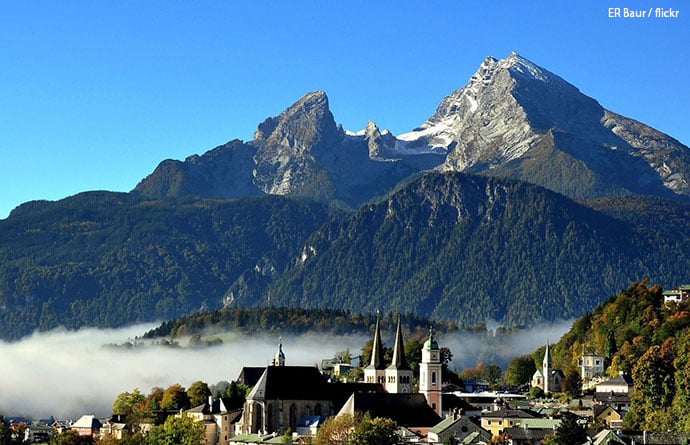
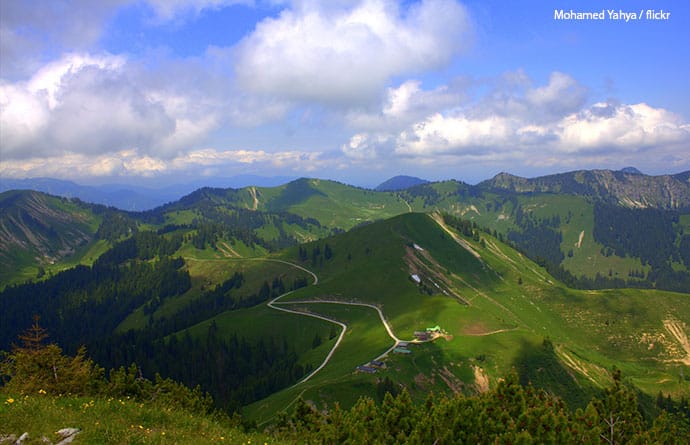
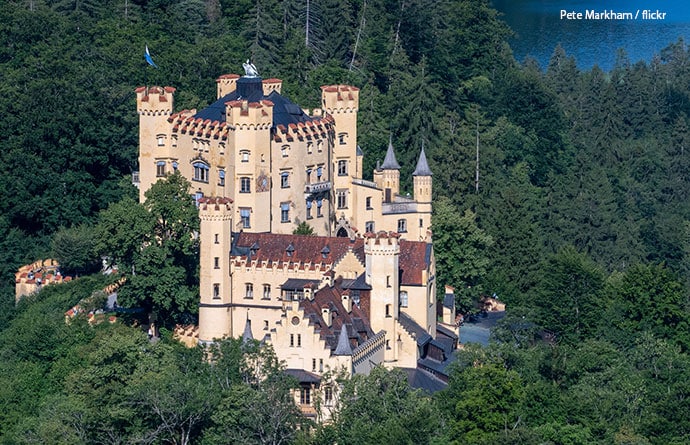
Bavarian Alps
Germany consistently ranks among the world’s most livable countries, and it’s not difficult to see why.
Whether you’re enjoying your retirement, raising a family, or building an independent life, Germany offers stability, comfort, and opportunity.
For Retirees: Security, Healthcare, and Quality of Life
Germany is especially attractive to retirees seeking a safe and well-organized place to live.
The country’s universal healthcare system is widely regarded as one of the best, offering high-quality medical care and comprehensive coverage.
Public transportation is reliable and accessible, making it easy to get around even without a car.
Retirees also enjoy a slower-paced lifestyle in many regions with picturesque small towns, well-maintained parks, and extensive cultural offerings, from classical concerts to museums and local festivals.
Combined with excellent public safety and reliable social services, Germany provides retirees with a comfortable, fulfilling place to enjoy their later years.
You may also like to read: Moving After Retirement. In this guide, we look at the pros and cons of moving home after you retire.
For Families: Stability, Education, and Opportunities
Families are drawn to Germany for its stable society, child-friendly policies, and strong educational system.
Public schools are free and offer academic, vocational, and bilingual options.
Parents benefit from generous parental leave, subsidized childcare, and family allowances that help offset the cost of raising children.
Cities and towns are designed with families in mind, with safe sidewalks, abundant playgrounds, and community programs that offer sports, music, and cultural activities.
From world-class healthcare to reliable infrastructure, Germany is a great place to raise a family.
For Singles: Career Growth, Culture, and Social Life
Singles relocating to Germany will find a dynamic and diverse environment, especially in major cities like Berlin, Munich, Hamburg, and Cologne.
Germany’s strong economy offers a wide range of career opportunities across industries such as technology, engineering, healthcare, and the creative arts.
The social scene is vibrant and varied: cafés, nightlife, festivals, outdoor clubs, and cultural events make it easy to meet people and build a network.
Germany also has a thriving international community, which helps newcomers integrate and connect quickly.
Efficient public services, safe urban environments, and excellent work–life balance further enhance daily life for individuals.
You may also like to read: Moving Alone. In this guide, we look at the challenges and solutions when moving to a new place on your own.
How Much do Movers Cost?
Save up to 40% on your upcoming move and get a quote from reputable moving experts.
Cost of living varies a lot by city and lifestyle:
Overall, Germany ranks around the mid/high tier among developed countries. Expect living costs comparable to Western Europe (lower than Switzerland, generally higher than many parts of Eastern Europe).
Rent (approximate, monthly): one-bedroom apartment in the city centre — Berlin €900–€1,500, Munich €1,300–€2,000+, Frankfurt €1,100–€1,800 (prices change frequently and Munich remains one of the priciest).
Utilities & bills: electricity, heating, water, internet €150–€300/month depending on the type of home and usage.
Food & transport: groceries for one person typically cost €200–€350/month; monthly public transit passes €60–€100+ in large cities.
Healthcare & insurance: mandatory health insurance contributions are income-based for the statutory system (see healthcare section).
You may also like to read: Choosing an International Mover. It is essential that you choose a reputable international mover for your relocation. In this guide, we explain how to find the best mover for your relocation.
Best German Cities for Expats and Why
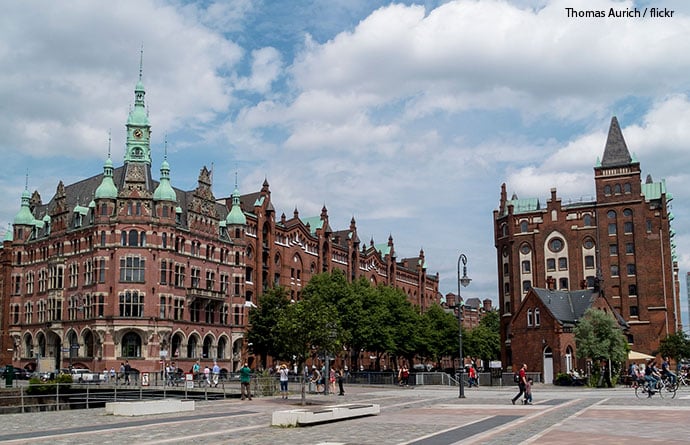
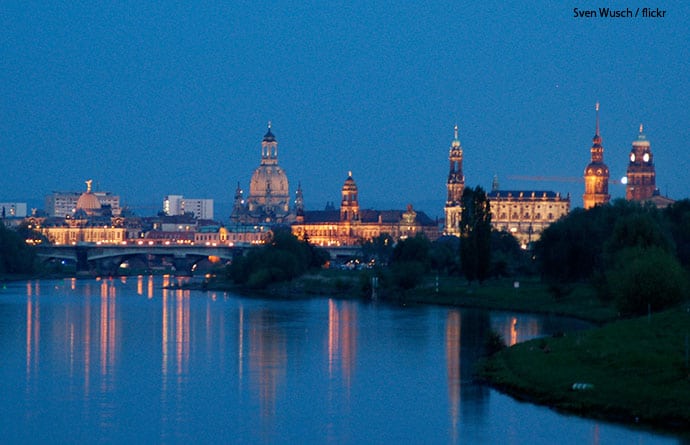
Hamburg
Different cities offer different benefits, depending on your lifestyle and preferences:
Berlin — the biggest international community, great startup scene, comparatively cheaper rent than Munich, rich cultural life, and good public transport. Great if you value diversity and creative industries.
Munich — high salaries (esp. engineering, automotive, finance), strong quality of life and safety, excellent infrastructure — but expect high housing costs.
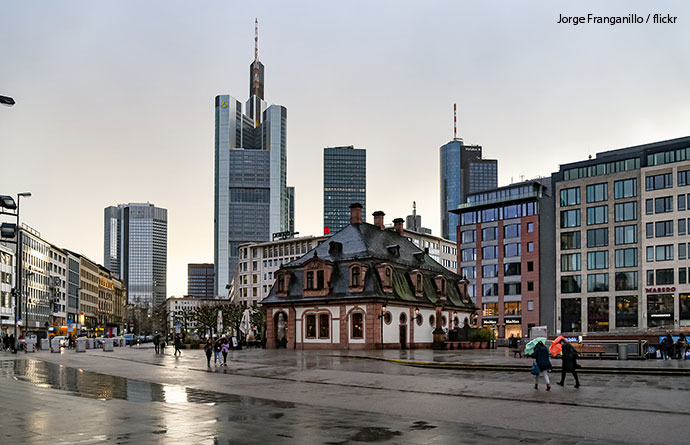
Frankfurt — finance hub (banks, European HQs), international banking community, well-connected airport — good for banking/finance careers.
Hamburg — media, logistics, port economy, good standard of living, and coastal lifestyle.
Düsseldorf / Cologne (NRW) — major corporate presence, fashion and trade fairs, many internationals; NRW offers many mid-sized cities with strong jobs.
Bavaria (Bayern) & Baden-Württemberg: concentration of high-paying manufacturing, automotive, and tech firms, especially in Munich and Stuttgart.
North Rhine-Westphalia (NRW): dense urban/industrial area with many international firms (Düsseldorf, Cologne, Dortmund) and large expat communities.
City-states / big cities: Berlin, Hamburg, and Frankfurt attract service, finance, creative, and startup workers.
You may also like to read: How to Choose a New Neighborhood. In this guide, we suggest things to take into consideration when choosing where to live.
Visas and Residence
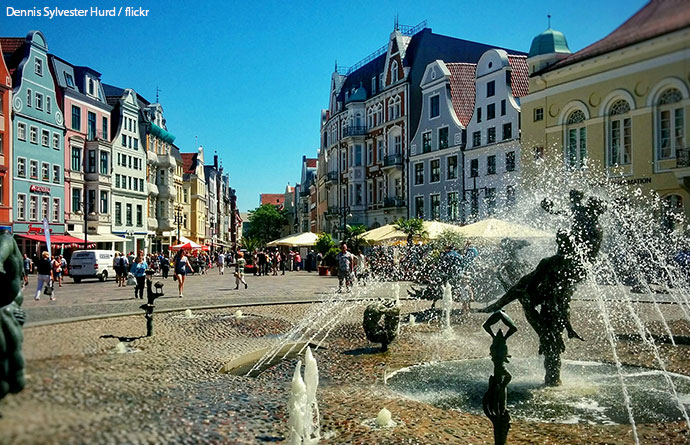
Rostock
Main legal paths for non-EU nationals:
EU Blue Card: for highly qualified workers with a recognized university degree and a job offer meeting the salary threshold (example threshold €48,300 gross/year for many professions in 2025; lower thresholds apply to occupations in high demand). The Blue Card offers residency and a route to permanent residence.
Job Seeker Visa: lets qualified applicants stay up to 6 months to look for work in Germany (must meet education/experience criteria and show funds). If you find a job that meets the conditions, you convert to a work/residence permit.
Work & residence permits for other categories: ICT, trainees, researchers, students, family reunification, and each has its own rules. EU/EEA/Swiss nationals can move freely but must still register locally (Anmeldung).
To do: secure a job offer (or apply for a Job Seeker Visa), contact the German embassy/consulate for the national visa application, bring certified documents, translations, and proof of qualifications.
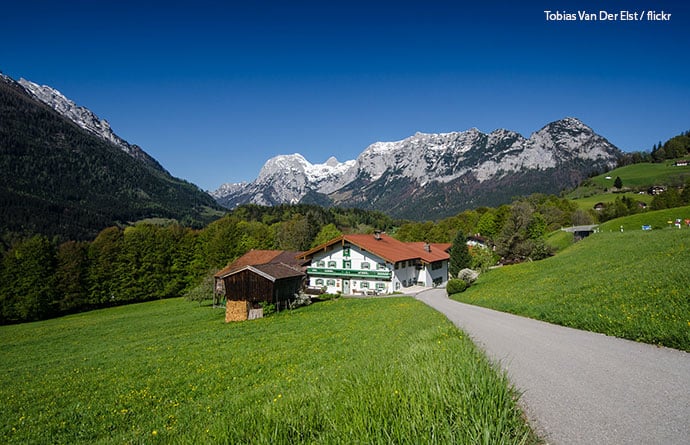
Places like Bavaria encourage a healthy, outdoors lifestyle
Mandatory coverage: Health insurance is mandatory for everyone living in Germany. There are two main systems:
Statutory Health Insurance (GKV): income-based contributions; covers necessary medical care and family members (spouse/children with low/no income often can be covered at no extra cost). It’s the default for most employees.
Private Health Insurance (PKV): available to certain groups (higher earners, some self-employed, civil servants). Premiums are risk/age/coverage-based (not strictly income) and can be cheaper for young, healthy people but may rise with age.
How to get it: If you have an employment contract and your salary is below the compulsory PKV threshold, you’ll be enrolled in GKV (your employer shares contributions). If eligible and prefer PKV, you can apply, but switching back to GKV later can be difficult after certain ages/conditions.
Register for health insurance as soon as you have your Anmeldung and contract; you’ll need proof of insurance for many admin steps (residence permit, university enrolment).
Education and Schooling
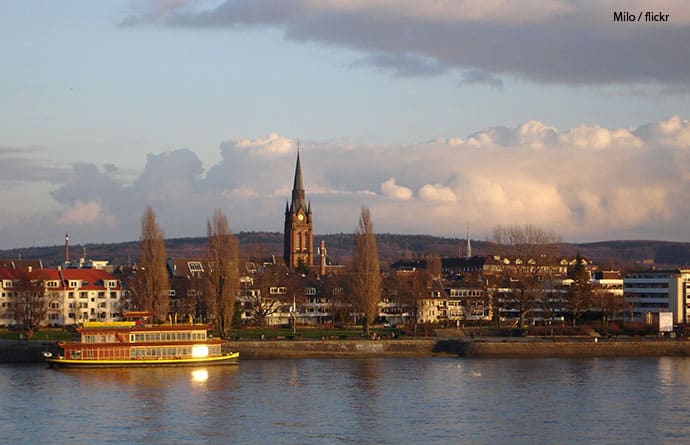
Bonn
Public schools: free (state-funded), local language (German). Many expat families enrol their children in local schools to help with language learning.
International schools: follow foreign curricula (IB, British/American) and teach in English, but fees apply. There are around 100+ international schools across Germany (mainly in larger cities). Plan early: many popular international schools have waiting lists, and fees can be significant.
Bilingual options & international programmes: Some cities offer bilingual public or private schools and international classes.
Decide early whether you want a local school (cheaper, better integration, German required) or an international school (English curriculum, cost). Contact schools well before moving.
You may also like to read: How to Choose a Good School. In this guide, we suggest things to take into consideration when choosing a new school for your children.
Housing
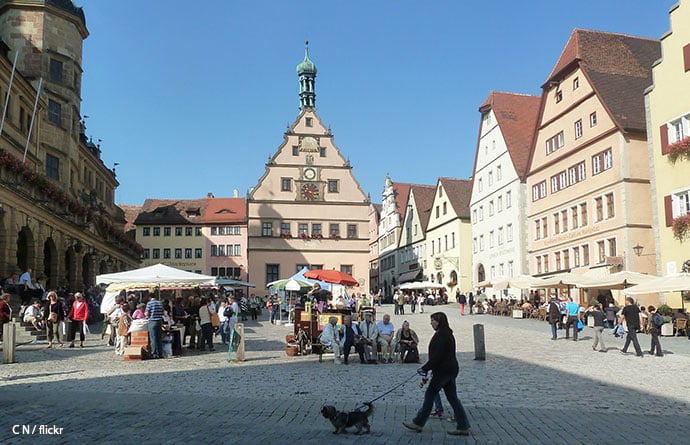
Rothenburg
The Housing Market: Housing demand is high in major cities such as Munich, Berlin, and Frankfurt. Rents and competition are also higher there.
Typical documents landlords ask for: Schufa credit record (for those who have German credit history), proof of income (last 3 pay slips), passport, Anmeldung or landlord confirmation (Wohnungsgeberbestätigung). For newcomers, employers’ references and bank statements help.
Deposit & contract: The deposit is usually up to 3 months’ rent (refundable), tenancy agreements are often indefinite with notice periods of three months typically. Read contracts carefully: utilities (Nebenkosten) may or may not be included.
Short-term options: Rent serviced apartments or sublets while searching for your ideal place, but beware of scams, which are common.
Registering Your Address (Anmeldung)
When you move into a German address, you generally must register (Anmeldung) at the local Bürgeramt / Einwohnermeldeamt within two weeks (rules vary slightly by region).
The Anmeldung certificate (Meldebescheinigung) is needed for many things, such as opening a bank account, applying for a tax ID, signing up for insurance, and residence permits.
Some cities are very strict and will impose a fine if you miss the two-week deadline.
You will need your passport, rental contract, landlord’s confirmation (Wohnungsgeberbestätigung), and visa/residence permit (if applicable). Make an appointment early, as popular offices have long waits.
Taxes
Tax ID (Steuer-ID): You get this after Anmeldung, and it’s needed by employers.
Income tax: progressive; payroll taxes include income tax, solidarity surcharge (reduced), social security contributions (pension, unemployment, health). Net salary is noticeably lower than gross compared with some countries because of these contributions, but many services are covered.
Tax classes (Steuerklasse): depend on marital status and affect withholding; check with Finanzamt or a reputable tax advisor if you have particular circumstances.
Safety and Standard of Living
Monschau-North-Rhine
Germany is generally safe and ranks well on international stability/peace metrics compared with many countries; crime is typically lower in smaller towns than in big cities, but like any large country, you should take precautions (pick housing in safe neighborhoods, be careful at night in unfamiliar areas, etc).
Consult the local crime statistics for city comparisons in the resource section below.
You may also like to read: How to Move a Pet Overseas. In this guide, we take you through the preparations, shipping, and integration of your pet to a new country.
How Important is it Learning the German Language?
Very useful — often essential for long-term integration and career growth. Many jobs, even at international companies, expect at least conversational German for anything beyond specialist roles. Learning German will expand your job options, make daily life easier, and improve your social life. Many expat services and international teams operate in English in major cities, but fluency speeds up promotions and salary growth.
Important Things to do
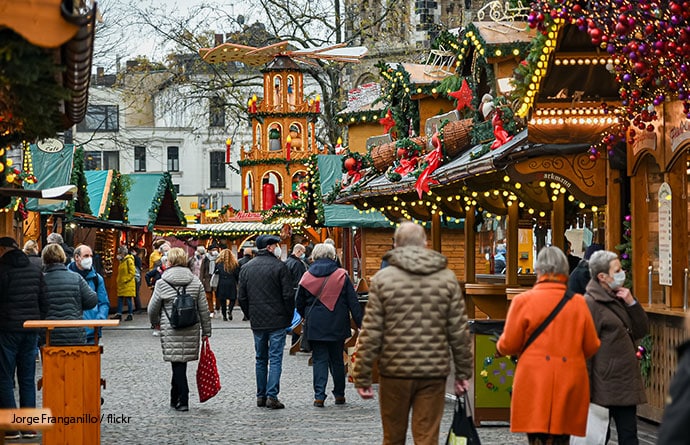
Bonn Christmas Market
Secure your visa/residence permit (if required).
Book temporary housing for arrival (short-let).
Register your address (Anmeldung) within 2 weeks — get Meldebescheinigung.
Open a German bank account (you’ll need Anmeldung for some banks).
Obtain health insurance (statutory or private).
Apply for a tax ID and tell your employer.
Enrol children in school / apply to international schools early.
Get a local SIM and set up utilities/internet.
Register for local services (waste, TV license if applicable, vehicle registration if bringing a car).
Learn the basics of German bureaucracy terms (Bürgeramt, Finanzamt, Krankenkasse, Arbeitgeberbescheinigung).
You may also like to read: Moving Abroad Checklist. Here we have created a comprehensive checklist for moving overseas so that nothing important is forgotten.
Tips for Living in Germany
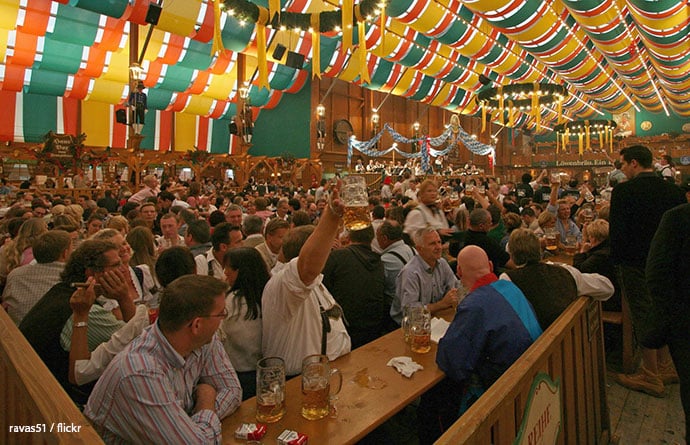
Munich Octoberfest
Choose a city to match salary level: a high salary in Munich may still offer a comfortable lifestyle despite high rent; lower salaries go farther in smaller cities.
Use public transit monthly passes and consider regional passes (Deutschlandticket plans change, so check the current offers).
Join local expat groups for housing leads, second-hand furniture, and social support.
Beware of scams in rental listings; confirm viewings in person and never wire deposits without a legally binding contract or keys.
You may also like to read: How to Ship a Car Abroad. In this guide, we share the steps you need to take when exporting your car to another country.
Useful Resources
Make-it-in-Germany (official federal site) — visas, Blue Card rules, and jobseeker info.
Destatis (Federal Statistical Office) — demographics and migration stats.
MoveAdvisor – To find pre-vetted reputable international movers
Frequently Asked Questions
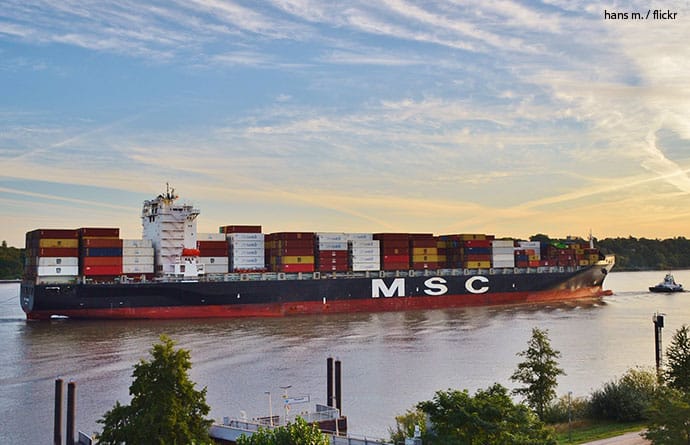
Shipping a container is the cheapest way to move to Germany from outside the EU
Q: Is Germany expensive to live in? A: It depends on the city. Germany’s cost-of-living index sits in the mid/high range among developed countries; cities like Munich and Frankfurt are costly, while smaller cities and towns are more affordable. Check the cost of living comparison link in the useful resource section below.
Q: Do I need health insurance? A: Yes — health insurance is mandatory. Most employees join statutory health insurance (GKV); some people (high earners, certain self-employed) can choose private insurance (PKV).
Q: How fast can I get permanent residency? A: It varies by visa. EU Blue Card holders can often apply for permanent residence after a shorter period (e.g., 33 months, and faster if you speak the language), while other permits may take longer.
Q: Are there international schools? A: Yes — there are around 100+ international schools in Germany, concentrated in big cities. Many have waiting lists, so apply early.
Is Moving to Germany Right for Me?
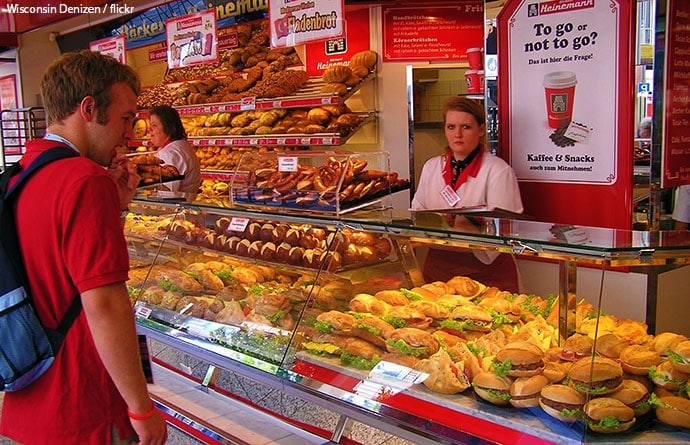
Did we mention the amazing food and wine?
Germany offers strong employment opportunities, high-quality public services, and a central European location, as well as being a beautiful country.
If you value good public healthcare and career prospects in skilled sectors, as well as some stunning scenery and a good quality of life, then Germany is an excellent choice.
Good luck with your move to Germany, and be sure to check out our home moving blog, which is packed with guides to make every aspect of your move easier, cheaper, and safer.
*At MoveAdvisor we will connect you with a professional moving company. Please note that we may not be affiliated with
and you may be speaking with another licensed provider.
We use cookies to optimise your experience.Accept and close or Learn more






Share your thoughts by leaving a comment