For generations, France has drawn people to live here with its stunning scenery, historic villages, healthy lifestyle, and great food and wine.
Today, all of those reasons are still valid, as are the great healthcare, good public schooling, its central European location, and laid-back lifestyle.
On the flip side, there are things to be aware of: a lot of bureaucracy, expensive housing in major cities (especially Paris), the need to speak French for many jobs, occasional strikes, and high taxation for some.
So this week’s home blog focuses on the practical aspects of moving to France rather than focusing on regions and cities.
Why People Move to France
Quality of life: generous vacation time, strong workers’ protections, world-class food, culture, and public services.
Healthcare: ahigh-quality, largely state-funded system with reimbursements and optional supplementary “mutuelle.”
Education & family benefits: public schooling is high-quality, and preschool (école maternelle) starts at age 3; many family allowances are available.
Work opportunities: strong clusters in aerospace (Toulouse), tech and pharma (Paris region, Lyon, Nantes), wine & agri-business (Bordeaux), and tourism/hospitality (Provence/Côte d’Azur).
Location & travel: gateway to Europe with excellent rail/air links.
Broadly, visas are split into short-stay (Schengen) and long-stay.
Long-stay visas (VLS-TS/visa de long séjour) let you live in France for 3 months and are typically the route for work, family reunion, retirement, and many students.
Specific student visas (VLS-TS student) and work visas are available; most long-stay visas require follow-up formalities on arrival (validation or applying for a residence permit).
Always apply through the official France-Visas portal for the most accurate, country-specific steps and required documents.
Common visas
Work visa (salarié / talent passport): employer-sponsored or talent passport (for highly skilled or startup founders).
Student visa (VLS-TS student): for courses >3 months; may permit limited work hours.
Family reunification: for spouses/partners and dependent children.
Retirement/visitor visas: for those with independent means (no work rights).
EU/EEA/Swiss nationals: do not need a visa but must register locally for certain services.
Practical tips
Start early: consulate processing times vary by country and season.
Read France-Visas carefully for country-specific checklists and appointments
You may also like to read: Top Countries for Americans to Move to. If you are undecided about whether moving to France is right for you, then you may be interested in reading about the alternative countries in this guide.
Cost of Living
The cost of living can vary wildly between regions and cities, but here is an average snapshot to give you an idea. In the useful resources section below, you will find a link to a cost-of-living comparison website so that you can compare your current location with France.
Single person (excluding rent): €900–€1,100/month (depending on city).
Family of four (excluding rent): €3,300–€3,900/month.
Rent: varies hugely, Paris and Île-de-France are the most expensive (city center studio/1-bed prices can be steep), while most regional cities and rural areas are much cheaper.
Local taxes (taxe d’habitation has been reformed, but other local taxes remain)
Health insurance “mutuelle” top-up (€20–€200+/month depending on cover)
Food, transport, and schooling costs (if private/international)
Moving & shipping costs (see below)
Housing & Real Estate
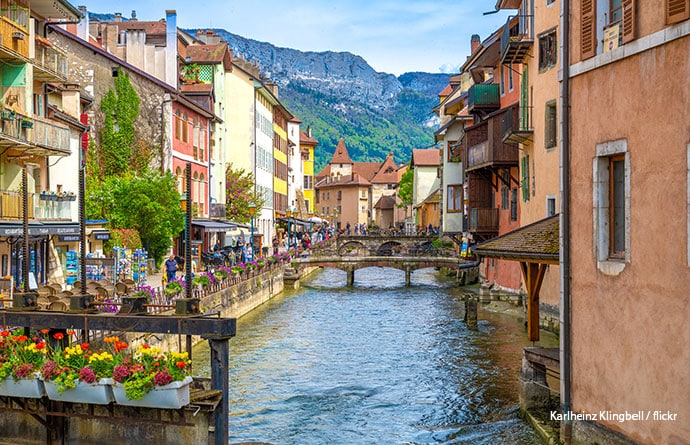
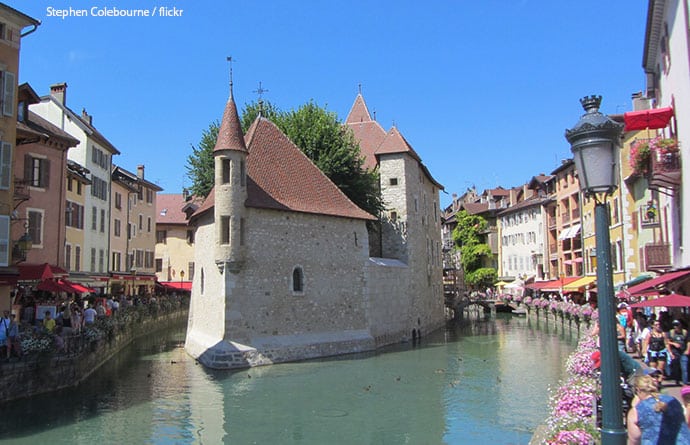
Annecy France
Renting: common to provide a dossier (proof of income, guarantor, identity papers); landlord references help. Agencies often charge fees (the tenant pays a portion). Long-term leases are typically 1 year renewable.
Buying: property markets vary; Paris and some coastal/luxury spots remain expensive, while many inland cities offer value. Mortgage availability and terms depend on residency and income.
You may also like to read: Best Countries to Retire to: For some interesting alternative countries for retirees to consider moving to, be sure to check out this guide.
Schooling
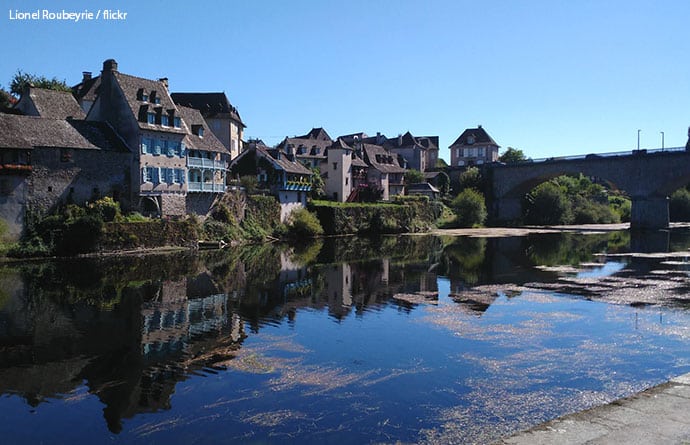
Argentat-sur-Dordogne
Public schools (écoles publiques) are free, secular, and generally high standard; schooling is compulsory from age 3. Many expat children are integrated into local schools, which speeds language acquisition.
Private and international schools are available, but are usually quite expensive and follow British/American/IB curricula, and are popular with non-French speakers or families staying short-term. For long-term stays, many experts recommend integrating into the French system for cultural and language benefits.
Things parents should know
Registration requires proof of residence and birth certificates.
School year and holiday calendars differ from many countries, so plan childcare accordingly.
Secondary education leads to the baccalauréat; international sections exist in certain lycées.
You may also like to read: How to Choose a New School. In this guide, we suggest things to take into consideration when choosing the right school for your kids.
Healthcare for Expats
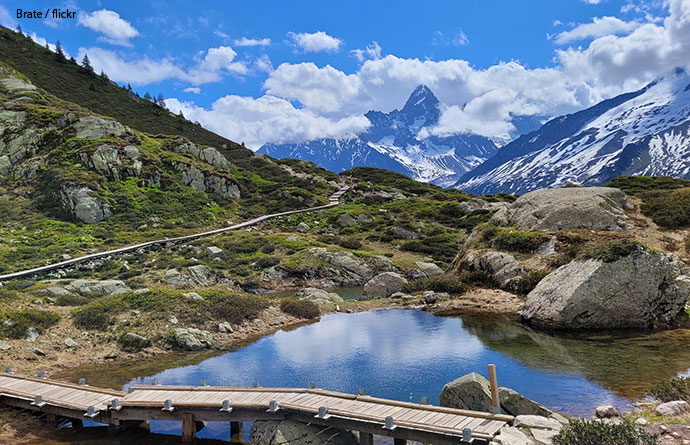
Chamonix
France operates a universal healthcare system with high standards.
Residents register for social security and receive a Carte Vitale for quicker reimbursements; public insurance typically reimburses a significant portion (70–100%) of costs depending on treatment, with many residents topping up with a mutuelle (supplementary private insurance).
Expats who are legally resident and contributing to social security can usually access the system; some short-term arrivals may require private travel/expat insurance first.
On arrival, apply for social security and the Carte Vitale when eligible.
Consider a private mutuelle for dental, optical, and co-payments.
Register with a médecin traitant (GP) for better reimbursement and referrals.
You may also like to read: Moving in Retirement. In this guide, we look at the pros and cons of moving to a new place in retirement.
Safety
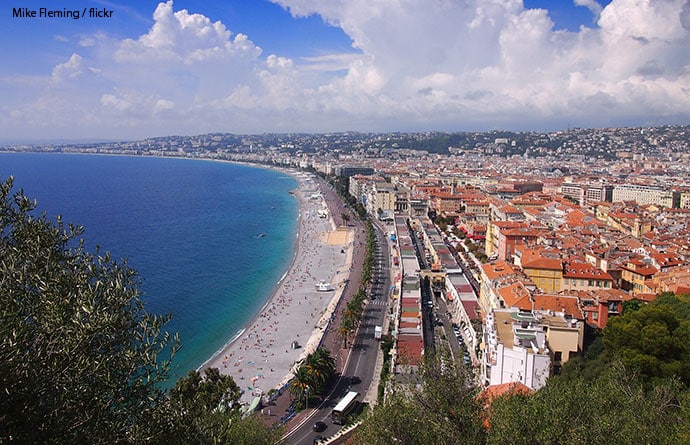
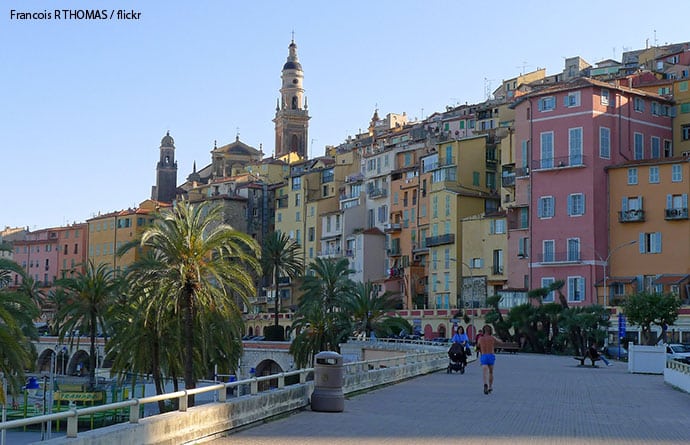
Nice, France
France is broadly safe for residents. Petty theft and pickpocketing can be common in tourist areas, as you would expect.
Crime and safety vary by neighborhood, so research local crime statistics and local community forums before renting.
Political strikes and transport disruptions happen regularly, so factor that in if you need to commute.
You may also like to read: Moving home Alone. In this guide, we look at the challenges and solutions of moving to a new place on your own.
Best Regions and Cities for Expats
French Riviera
Paris / Île-de-France: jobs, culture, international schools, but it is expensive.
Lyon: strong business/tech/food scene, central location.
Toulouse: aerospace hub, family-friendly.
Nantes / Rennes: growing tech hubs with good livability.
Bordeaux: wine culture, good transport links.
Nice / Provence: Mediterranean lifestyle, popular with retirees and hospitality professionals.
You may also like to read: How to Choose a Good Neighborhood to Live In. In this guide, we suggest things to take into consideration when choosing a new neighborhood to move to.
Language: many roles (especially outside tech or multinational firms) require French; learning French greatly improves employability.
Taxes: France has progressive income tax and social charges; expatriates should plan for social contributions and possible double-tax treaties. Consult a tax specialist for personal planning (especially for remote workers, freelancers, and retirees).
You may also like to read: Moving for Work. In this guide, we look at the pros and cons of moving for a new job.
Shipping Household Goods
Sea freight (most common for full household moves): typical transit times to France are 2–6 weeks from major origins; East Coast USA shipments can be faster (2–3 weeks port-to-port) while West Coast/Asia routes can take longer. Allow additional time for packing, pickup, customs clearance, and inland delivery as total door-to-door may be 4–10+ weeks.
Air freight/express: 3–10 days, but expensive and only really suitable for urgent items.
Customs: declare household goods and know prohibited items; movers often help prepare inventories and documentation.
You may also like to read: Moving Abroad Checklist. In this guide, we have compiled a comprehensive moving checklist so that you do not miss any important home moving tasks.
Cultural Differences and Integration
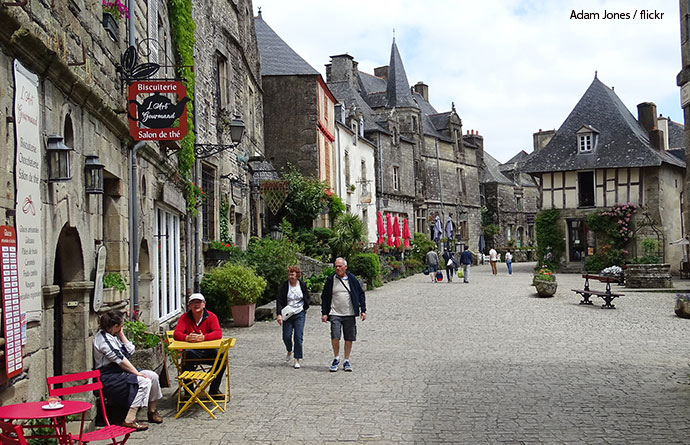
Rochefort-en-Terre, Brittany
Language: French is widely expected in daily life; learning it is the single best investment.
Formalities & politeness: greetings (bonjour/bonsoir, handshakes, la bise in social contexts) matter; use polite forms (vous) initially.
Work culture: clearer boundaries around work hours in many sectors, long lunch breaks in some places, and strong labor protections.
Food & social life: markets, cafés, and neighborhood associations are central to community life.
Bureaucracy: Many administrative tasks require bundles of paperwork (bank accounts, residency papers, health registration). Be patient, bring originals and certified translations where requested.
Integration tips
Take a French course before or right after arrival.
Join local clubs, language courses, and mairie (town hall) events.
Volunteer or enroll kids in local activities. This is the fastest route to building social circles.
Use local banking & utilities to build administrative credibility.
Moving Timeline
6–12 months out: research visas, job options, schools; get documents (birth/marriage certificates, translations, apostilles).
3–6 months out: apply for a visa, book movers, and start language classes.
1–2 months out: finalize housing options, healthcare/insurance, school enrolment.
Move & arrival: validate visas (if needed), register for social security and Carte Vitale, open a bank account, and get a French SIM.
0–3 months after arrival: get settled, complete any prefecture appointments, enroll kids, register with mairie (if required), and find a GP.
You may also like to read: Choosing an International Mover. Finding the right mover is crucial when moving overseas. In this guide, we take you step-by-step through the process of choosing a reputable international mover.
Money and Banking
Opening a French bank account is easier with proof of address and residency documents (some banks accept proof of a future rental contract). Digital banks are an alternative for short-term.
Set up direct debits (prélèvements) for utilities and subscriptions.
Pets and Driving
Pets: follow EU/France rules for vaccinations and pet passports; non-EU pets usually need additional checks/quarantine/health certificates depending on origin.
Driving: EU/EEA licenses are valid; many non-EU licenses are valid for a limited period or exchangeable — check prefecture guidance.
You may also like to read: Moving Pets Abroad. In this guide, you will find practical tips for moving your pets to a different country.
Important Document Checklist
Annecy
Passport + valid visa (if required) and copies.
Birth/marriage certificates (apostilled + translations if required).
Diplomas, CV, and professional certificates.
Medical records, prescriptions, and pet documents.
Bank statements, proof of income, and rental agreements.
Moving inventory & bills of lading from shippers.
Common FAQs
Lavender fields in Provence
Q: How long before I should apply for a visa? A: Start as early as possible, as some consulates open bookings months ahead and processing times vary.
Q: Is the French public healthcare free? A: Not entirely free. It’s largely reimbursed by public insurance once registered; most residents take a supplementary mutuelle to cover the remainder.
Q: How long will my household goods take to arrive? A: Ocean shipments commonly take 2–6 weeks transit; door-to-door, including packing and customs, can be 4–10+ weeks.
You may also like to read: How to Ship a Car Abroad. In this guide, you will find practical tips for shipping your vehicle overseas.
Practical Moving Tips
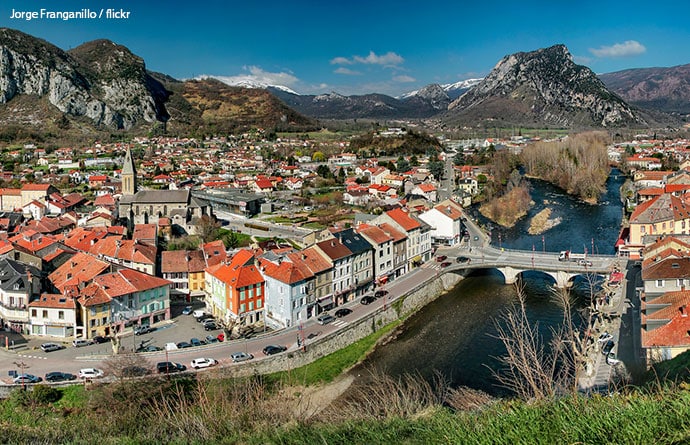
Tarascon-sur-Ariege
Learn French ASAP — even basic French will make life easier.
Keep digital and physical copies of all documents (and translations).
Open a French bank account early (many landlords require it).
Network in expat and local Facebook/Meetup groups to get up-to-date, neighborhood-specific tips.
Expect and plan for bureaucracy — appointments, certified translations and long forms are common.
MoveAdvisor – to find reputable international movers
Good luck with your move to France, and be sure to visit our home moving blog, which is packed with guides to make every aspect of your home move easier, cheaper, and safer.
*At MoveAdvisor we will connect you with a professional moving company. Please note that we may not be affiliated with
and you may be speaking with another licensed provider.
We use cookies to optimise your experience.Accept and close or Learn more







Share your thoughts by leaving a comment