If the history, diverse cultures, high quality of life, excellent healthcare and education, and convenient travel options have you dreaming of moving to Europe, then this week’s guide is for you.
Imagine you have the opportunity to move to any country within Europe, how would you decide which one?
Do you want dynamic city living, to live off-grid, to go skiing every day, or to lie on a golden beach, be self-sufficient or shop at designer malls? No matter your hobbies, lifestyle, or wish list, there is sure to be a country that fits your needs in Europe.
Here we suggest all the things to take into consideration, the options you are faced with, and how to make a more informed decision as to which country would suit you best.
1. Why Move to Europe?
Rich culture and history abound in Europe
Europe is a diverse continent with:
Rich history & vibrant culture
High quality of life (work-life balance)
Excellent healthcare and education systems
Relatively safe cities
Easy travel between countries
You may also like to read: Countries That Will Pay You to Move There. In this guide, we look at the incentives that some countries offer you to move there and the criteria you need to meet for each offer.
How Much do Movers Cost?
Save up to 40% on your upcoming move and get a quote from reputable moving experts.
High Quality of Life: Strong public services in many countries
Travel Opportunities: The Schengen Area makes travel easy
Healthcare & Education: Often universal or subsidized
Work-Life Balance: Longer vacations, shorter work weeks in many places
Cultural Diversity: Rich traditions, cuisine, festivals
Cons
Bureaucracy: Permits, registrations, and paperwork are usually a long and frustrating process
Language Barriers: Not everyone speaks English
Cost Considerations: Western Europe can be expensive
Different Tax Systems: Can be complex for newcomers
You may also like to read: I Want to Move, but my Partner Doesn’t. In this guide, we suggest strategies and solutions for reaching a compromise when one of you wants to move, but the other doesn’t.
Local languages important: France, Spain, Italy, Poland
You may also like to read: How to Ship a Car Internationally. If you plan on shipping your car to Europe, then you will find this guide invaluable.
4. Language and Culture
Italy
Language Tips
Learn the basics before you move; even “hello,” “please,” and “thank you” are useful to know.
Use apps (Duolingo, Babbel) or local classes.
In bigger cities, English is often spoken, but in rural areas you may need to speak the local language.
Cultural Integration
Understand etiquette and social norms.
Get involved in community events.
Respect local holidays and traditions.
5. Practical Moving Tips
Francueil, France
Hire a Good International Mover
Choose companies with:
Good reviews
Insurance coverage
Transparent pricing
Door-to-door tracking
Inventory & Packing
Declutter before packing and move only what’s essential.
Label boxes clearly.
Keep important documents with you (passports, visas, certificates).
Shipping Your Car
Costly due to import taxes; consider selling and buying locally.
You may also like to read: Choosing an International Mover. It is essential that you pick a reputable international mover to help you move. In this guide, we explain how to choose the best mover for your needs.
6. Cost of Living Across Europe
Region
Typical Costs
Notes
Northern Europe
High
Strong wages, higher taxes
Western Europe
High–Medium
Big cities pricey
Southern Europe
Medium
Lower living costs, warmer climate
Eastern Europe
Low–Medium
Affordable, growing economies
Major monthly costs to research:
Rent/mortgage
Utilities
Groceries
Transport
Healthcare & insurance
You may also like to read: Moving Pets Overseas. In this guide, we look at the preparation, transportation, and integration of your pets when moving internationally.
7. Visas and Immigration
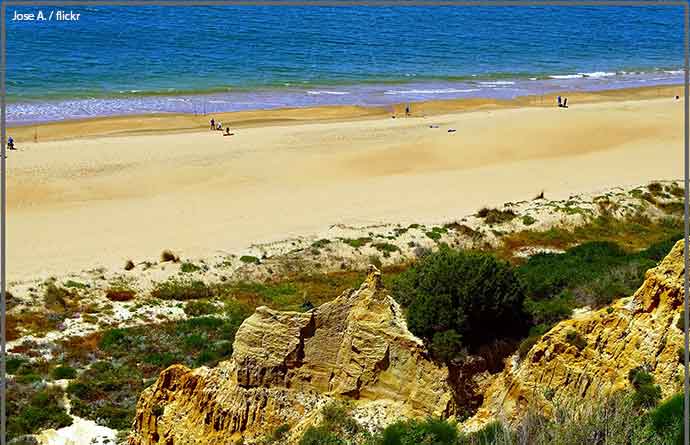
Huelva, Spain
Common Visa Types
Work Visa: Sponsored by employer
Student Visa: Many options for degree programs
Digital Nomad / Remote Work Visas: Increasingly available
Family Reunification
Golden Visa / Investment Visa
Each country has unique requirements, so check the official immigration website.
You may also like to read: Moving in Retirement. In this guide, we look at the pros and cons of moving home after you retire.
Often free or low-cost, but with high standards in most countries.
International Schools
Great for expatriates, but they can be expensive.
Universities
Many offer programs in English.
EU residents often pay lower tuition fees.
You may also like to read: How to Choose a Good School. In this guide, we suggest things to take into consideration when choosing a new school for your children.
11. Healthcare in Europe
Bayerwald, Bayern, Germany
Public Healthcare
Funded by taxes; quality is generally high.
Some registrations or insurance contributions are required.
Private Healthcare
Faster access, out-of-pocket costs.
Expat Tips
Get supplementary travel health insurance during the transition.
Understand what your national insurance covers abroad.
You may also like to read: Best Countries to Retire to. In this guide, we suggest some of the best countries in which to spend your retirement and why.
12. Safety and Quality of Life
Greece
Safety
Most European cities are fairly safe if you apply normal street smarts, but petty theft can occur in tourist areas.
Emergency number across the EU/Schengen: 112
Quality of Life Indicators
Clean public spaces
Accessible transportation
Strong worker protections
You may also like to read: Moving to a New City Alone. In this guide, we look at the challenges and solutions of moving to a new city on your own.
13. Climate Change
Matterhorn, Switzerland
Europe faces different climate risks:
Southern Europe
Heatwaves & droughts
Fire risk in Mediterranean areas
Central & Western Europe
Flooding risk (e.g., river basins)
More unpredictable weather
Northern Europe
Generally cooler but:
Storms & sea-level rise on coasts
Tip: Research the climate resilience plans of where you plan to move.
You may also like to read: Where to Move to Avoid Climate Change. In this guide, we look at how climate change can affect where you choose to live and the things to be aware of.
14. Practical Tips and Checklist
Before You Move
Passport & visa secured
Job/finances are in order
Health insurance arranged
Language basics learned
After Arrival
Register with local authorities
Open a bank account
Get a local SIM card
Learn public transport
Settling in
Build a local network
Understand the tax obligations
Explore the neighboring countries!
You may also like to read: Moving Abroad Checklist. Here we have produced a comprehensive checklist to make your international home move easier.
15. Useful Resources
Slovakia
MoveAdvisor – For useful international moving guides
Good luck wherever you decide to settle in Europe, and be sure to visit our home moving blog where you will find guides and tips to make every aspect of your home move easier, cheaper, and safer.
*At MoveAdvisor we will connect you with a professional moving company. Please note that we may not be affiliated with
and you may be speaking with another licensed provider.
We use cookies to optimise your experience.Accept and close or Learn more




















Share your thoughts by leaving a comment