With the constantly rising cost of living, finding the right balance between a good quality of life and a manageable budget is more important than ever.
As remote work becomes the norm and coastal cities see skyrocketing rents, many Americans are looking toward the Heartland and the South for more affordable living.
According to the latest 2026 data from the Bureau of Economic Analysis (BEA), several states consistently offer a cost of living more than 10% to 15% below the national average.
In this week’s home-moving blog, we look at the top states where your dollar goes furthest in 2026.
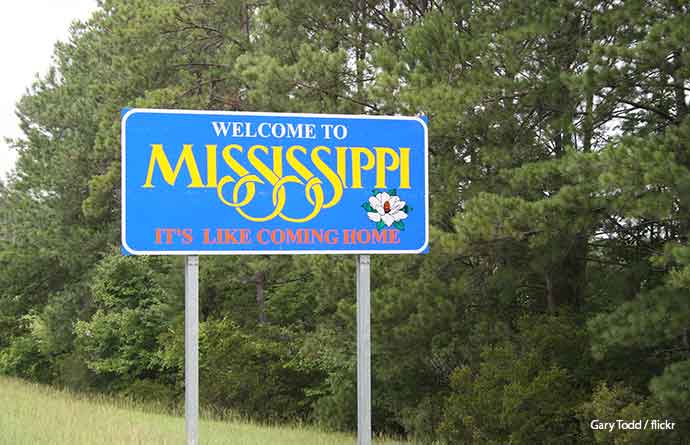
1. Mississippi – The Most Affordable State
Mississippi continues to hold its position as the most affordable state in the U.S. for 2026, with an overall cost-of-living index score of 85.3 (compared to a national baseline of 100)
Example 2026 Costs
Average Annual Per-Capita Cost: $42,131
Median Gross Rent: $898 per month
Utilities: Average monthly bill of $370.07
Taxes: Flat individual income tax rate of 4.4%
Pros
Cons
Low Property Taxes: Effective rate of 0.70%.
Limited Job Market: Lower wages in specialized tech sectors.
Rich Culture: Historic music scenes and Southern hospitality.
Infrastructure: Frequent weather-related road and utility maintenance.
Bargain Real Estate: Median studio apartments as low as $716.
Climate: Hot, humid summers and vulnerability to hurricanes.
You may also like to read: Where to Move to Avoid Climate Change. Mississippi has very hot summers and is vulnerable to hurricanes. In this guide, we look at how climate change could affect your decision on where to live next.
How Much do Movers Cost?
Save up to 40% on your upcoming move and get a quote from reputable moving experts.
Oklahoma ranks highly due to its exceptionally low housing and energy costs. In early 2026, Oklahoma’s living costs remained roughly 9% lower than the U.S. average, with housing costs sitting 24% below the national median
Example 2026 Costs
Average Rent (Oklahoma City): $1,061 per month
Transportation: Roughly 10% lower than the U.S. average
Healthcare: Average of $6,878 annually per person
Gasoline: Often among the lowest prices in the nation
Pros
Cons
Energy Hub: Lower-than-average utility and gas prices.
Severe Weather: Located in “Tornado Alley.”
Growing Tech Scene: Emerging hubs in Tulsa and OKC.
Educational Rankings: Historically ranks lower in public school funding.
Competitive Taxes: Graduated income tax from 0.5%–5%.
Urban-Rural Gap: Significant wage disparity outside major cities.
For homeownership, West Virginia is the standout. As of February 2026, the statewide average home value was $155,773, making it the lowest in the country
Example 2026 Costs
Median Home Value: $155,773
Average Rent: $1,200 per month (nearly 40% below the national average)
Grocery Tax: Fully exempt (0%) at the state level
Income Tax: Top rate fell to 4.58% effective January 1, 2026
Pros
Cons
Outdoor Paradise: Stunning mountains and hiking trails.
Infrastructure Gaps: Slower internet speeds in rural areas.
Zero Grocery Tax: Saves a family of four hundreds annually.
Healthcare Access: Limited specialized care in remote counties.
Community: Strong, tight-knit local communities.
Economic Shifts: Moving away from traditional coal industries.
You may also like to read: Moving to a New City alone. In this guide, we look at the challenges and solutions of moving to an unfamiliar place by yourself.
4. Arkansas – Affordable Country Living
Arkansas offers a good life at a low cost, boasting the second-lowest cost of living. It is particularly attractive for its low property taxes and utility rates.
Example 2026 Costs
Median Home Price: $271,700
Average Monthly Electric Bill: $128.51
Property Tax: One of the lowest in the U.S. at an effective rate of 0.53%
Gasoline: Averaged $2.79/gallon in late 2025
Pros
Cons
Natural Beauty: Over 50 state parks and the Ozark Mountains.
Higher Sales Tax: Local additions can lead to higher costs.
Low Utility Rates: Third-lowest residential electricity in the U.S.
Income Inequality: High poverty rates in certain delta regions.
Corporate Presence: Home to Fortune 500 giants like Walmart.
Humidity: Muggy summers can be intense for newcomers.
You may also like to read: The Pros and Cons of Moving to the Country. In this guide, we look at the pros and cons of moving to a rural area to help you decide if it is the right move for you.
5. Kansas – Flat Tax and Flat Plains
Kansas is the 5th most affordable state, with a significant tax reform that transitioned the state toward a flat 4% income tax
Example 2026 Costs
Zillow Home Value Index: $240,057
Wichita 2BR Rent: $1,139 per month
State Grocery Tax: 0% (State share fully eliminated in 2025)
Unemployment Rate: 3.9% (below the 4.3% national average)
Pros
Cons
Tax Friendly: Ongoing reductions in state income and food taxes.
Extreme Temperatures: Very cold winters and hot summers.
Mid-Size City Gems: Wichita and Topeka offer urban living for less.
Geography: Minimal topographic variety compared to coastal states.
Strong Job Market: Especially in aerospace and agriculture.
Property Tax: Can be higher than in neighboring Oklahoma.
You may also like to read: Moving to Wichita, Kansas. In this guide, we find out why Wichita is such a great place to live, including schooling, cost of living, career opportunities, Crime and safety, and the best areas in which to live.
6. Missouri – For Affordable City Life
Missouri remains very affordable, particularly for those looking to settle in mid-sized cities. With an overall index score of 88.4, it offers a balanced economy where the cost of essentials remains well below the national average.
Example 2026 Costs
Average Annual Per-Capita Cost: $46,200
Median Gross Rent: $1,045 per month
Groceries: Ranks consistently in the top 10 cheapest for food costs.
Taxes: Missouri recently implemented further tiered income tax cuts, with a top rate aiming toward 4.5%.
Pros
Cons
Central Logistics Hub: Lower shipping costs mean cheaper consumer goods.
Varied Infrastructure: Rural roads often need improvement.
Recreational Variety: From the Ozarks to professional sports in STL and KC.
Active Weather: Susceptible to severe thunderstorms and humidity.
Healthcare Access: Major medical research hubs in St. Louis and Columbia.
Urban Crime Rates: Certain metro pockets struggle with higher-than-average crime.
You may also like to read: Tips for Moving on a Budget. In this guide, we suggest ways that you can save money on your move and still have a safe and stress-free relocation.
7. Alabama – For Real Southern Value
Alabama’s appeal lies in its legendary low property taxes. With an index score of 88.8, it is a magnet for retirees and remote workers who want coastal proximity without the Florida price tag.
Example 2026 Costs
Median Home Price: $226,118
Property Tax: One of the lowest in the nation at an effective rate of 0.36%.
Gasoline: Consistently $0.30–$0.40 below the national average.
Utilities: Monthly average of $398 (including gas and water).
Pros
Cons
Tax Haven for Homeowners: Property taxes are often hundreds, not thousands.
High Sales Tax: Some municipalities reach a combined 10%.
Developing Tech Corridor: Huntsville is a premier hub for aerospace and STEM.
Public Education: Historically ranks in the lower tier for national funding.
Coastal Access: Affordable Gulf Coast living in the Mobile area.
Heat Index: Brutal summer humidity is a staple of the region.
8. Iowa – For a High Quality of Life Without the High Prices
Iowa jumped in the rankings for 2026 due to its housing stability. With an index score of 89.7, Iowa provides a high quality of life with some of the shortest commute times and lowest stress levels in the country.
Example 2026 Costs
Average Annual Spending: $41,582 per household
2-Bedroom Fair Market Rent: $1,040 per month
Electricity: Rates remain nearly 15% lower than the national average.
Healthcare: High density of quality care providers per capita.
Pros
Cons
Commute Times: One of the lowest average commute times in the U.S.
Harsh Winters: Significant snowfall and sub-zero temperatures.
Renewable Energy: High wind-energy production keeps utility spikes low.
Slow Population Growth: Can lead to a quieter social scene.
Educational Excellence: Consistently high-ranking public school systems.
Limited Topography: Primarily rolling plains and farmland.
Nebraska is a standout because it combines a low cost of living (90.1 index) with one of the lowest unemployment rates in the nation. It is one of the few states where the living wage is easily attainable even in entry-level sectors.
Example 2026 Costs
Median Home Value: $255,000
Average Monthly Utilities: $365
State Income Tax: Moving toward a unified lower rate of 3.99% by 2027.
Insurance: Auto and home insurance rates are competitive due to lower density.
Pros
Cons
Job Security: Extremely diverse economy, from finance to agriculture.
Property Tax: Higher than neighboring states like South Dakota.
Urban Revitalization: Omaha and Lincoln have thriving Old Market districts.
Extreme Winds: Flat terrain leads to frequent high-wind advisories.
Cleanliness: Cities consistently rank high for air quality and public parks.
Distance: Long stretches of highway between major metropolitan areas.
You may also like to read: Moving to Omaha, Nebraska. In this guide, we look at 10 great reasons to move to Nebraska.
10. Tennessee – The No-Income-Tax Haven
Tennessee has an index score of 90.4. While housing prices in Nashville have risen, the rest of the state, and the lack of a state income tax, keep it in the affordable category.
Example 2026 Costs
State Income Tax:0%
Median Rent (Statewide): $1,362
Average Weekly Grocery Bill: $270.45
Property Tax: Effective rate of 0.49%.
Pros
Cons
Zero Income Tax: Keeps more of your paycheck in your pocket.
Housing Competition: Popular areas like Nashville are seeing price surges.
Natural Beauty: Proximity to the Great Smoky Mountains National Park.
Infrastructure Strain: Rapid population growth is leading to traffic issues.
Entertainment: A world-class music and culinary scene.
Grocery Costs: Slightly higher than in other states on this list.
You may also like to read: Things to Consider When Moving Out of State. In this guide, we suggest things to take into consideration when thinking about moving to another state.
Cost of Living Comparison Summary
State
Index Score (U.S. = 100)
Median Monthly Rent
Primary Financial Benefit
Mississippi
85.3
$898
Lowest overall index
Oklahoma
86.0
$1,061
Cheap energy/gasoline
West Virginia
90.3
$1,200
Lowest home purchase prices
Arkansas
90.3
$946
Low property taxes
Kansas
87.7
$1,139
0% state grocery tax
Missouri
88.4
$1,045
Low grocery and goods costs
Alabama
88.8
$1,052
Lowest property taxes in the U.S.
Iowa
89.7
$1,040
Renewable energy and low utilities
Nebraska
90.1
$1,115
High wage-to-cost-of-living ratio
Tennessee
90.4
$1,362
No state individual income tax
You may also like to read: How to Estimate Moving Costs. In this guide, we explain how to work out a ballpark figure of what your move is likely to cost you.
Good luck with your move, and be sure to visit our home moving blog, which is packed with guides to make every aspect of your home move easier, cheaper, and safer.
*At MoveAdvisor we will connect you with a professional moving company. Please note that we may not be affiliated with
and you may be speaking with another licensed provider.
We use cookies to optimise your experience.Accept and close or Learn more
















Share your thoughts by leaving a comment