


Wichita is the largest city in Kansas and a regional economic hub known historically as the Air Capital of the World for its aerospace industry.
It combines Midwestern charm with affordable living and a range of amenities for families, professionals, and retirees alike.
Cost of Living

- Lower than national average: Wichita’s cost of living is typically 7-12% below the U.S. average, including housing and everyday expenses, making it appealing for many newcomers.
- Housing: Median home values are significantly lower than many U.S. metros ($190k–$285k depending on source and market conditions), with rents also more affordable.
- Monthly expenses: A single person may spend around $2,300 per month, and a family of four around $5,000 per month on average living costs.
Lower living costs mean your salary may go further, especially if you’re relocating from a more expensive state or city.
You may also like to read: Tips for Moving on a Budget. In this guide, we share tips to make your move cheaper without cutting corners and compromising safety.
How Much do Movers Cost?
As Featured On:

Job Market and Economy

Key industries in Wichita include:
- Aerospace & manufacturing: Major employers like Spirit AeroSystems, Textron Aviation, and related supply chains continue to anchor the local economy.
- Healthcare: Healthcare systems and related services hire across many professional levels.
- Retail, education & tech: Steady opportunities exist in these sectors, with innovation and startup growth becoming increasingly visible.
Unemployment rates are historically lower than national averages, reflecting a stable job market.
You may also like to read: Moving for Work. In this guide, we look at the pros and cons of moving for a new job.
Education
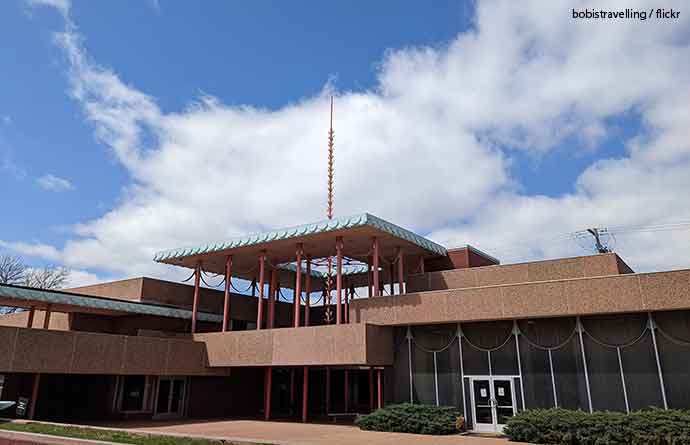
- Public schools: Wichita Public Schools serve most of the city. School quality varies by neighborhood, so research district ratings before choosing a home.
- Higher education: Wichita State University (WSU) is a major public research institution, plus Kansas Newman University and other colleges provide degrees across many fields.
If you have school-aged children, consider neighborhoods with highly rated schools or look to neighboring suburbs with good school reputations.
You may also like to read: How to Choose a Good School. In this guide, we suggest things to take into consideration when choosing a new school.
Best Neighborhoods and Where to Live

Great Options
These are the places regularly voted as great places to live:
- Courtland is a very popular choice with locals
- College Hill is a well-established, family-friendly area with parks and a community feel
- Rockhurst, Forest Hills, and Crown Heights are residential areas with strong community ties
- Riverside & East Front are scenic with easy access to parks and cultural spots
Other Popular Picks
- Chisholm Creek, which is near parks and amenities
- Old Town District is a historic, mixed-use area with restaurants and nightlife
Areas to Approach with Caution
Some parts of central Wichita, especially near I-135 or certain downtown blocks, have higher crime rates compared to suburbs like Andover, Derby, Haysville, Goddard, or Maize, which are often safer and popular with families.
You may also like to read: How to Choose a Good Neighborhood. In this guide, we suggest things to take into consideration when choosing which neighborhood to live in.
Crime and Safety

- Wichita’s overall crime rate is higher than the national average, particularly in central urban areas.
- Safety can vary widely from neighborhood to neighborhood. Tools like local crime maps and community forums help you assess safety before you relocate.
- Suburban areas typically report lower crime and more family-friendly environments.
Visit potential neighborhoods in person, ideally at different times of day, and contact local community groups for community insights.
You may also like to read: Moving to a New City Alone. In this guide, we look at the challenges and solutions you face when moving to a new city on your own.
Weather and Climate

Wichita experiences a humid subtropical climate with distinct seasons:
- Hot, humid summers
- Cold winters with occasional snow
- Storm risk in spring and summer (including thunderstorms and tornadoes)
Allergy sufferers should note Wichita often ranks high for pollen pollution.
You may also like to read: Where to Live to Avoid Climate Change. In this guide, we suggest the climate change precautions you should take when moving to a new state.
Public Transportation
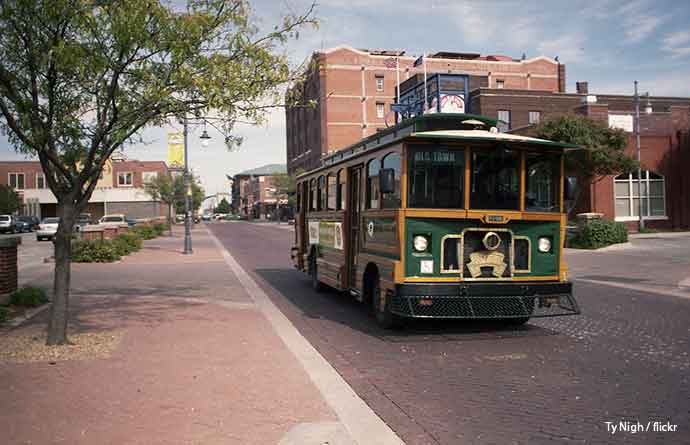
- Wichita Transit operates bus routes and paratransit services throughout the city.
- Q-Line trolley offers free rides in the downtown area, and bike-share options exist seasonally.
- Many people still rely on a car for daily commuting due to limited coverage and frequency.
If you don’t plan to drive, research routes and services to ensure your new home is well-connected.
You may also like to read: Is It Better to Rent or Buy When Moving to a New City? In this guide, we look at the pros and cons of buying or renting when you move to an unfamiliar place.
Recreation and Lifestyle

Wichita offers a surprising amount of recreation:
- Parks & gardens like Sedgwick County Zoo and Botanica Wichita
- Outdoor events such as Open Streets ICT, and Riverfest
- Cultural hotspots, including Old Town, Douglas Design District, galleries, and music venues
Whether you enjoy nature, food, arts, or family activities, there’s something to explore year-round.
You may also like to read: The Benefits of Moving to a New City. In this guide, we look at 10 life-changing benefits of moving to a new city.
Integration Tips for Newcomers

Build Community
- Join local clubs, social pages, community events, and meetups
- Volunteer or attend neighborhood association meetings
Do Your Homework
- Explore crime and school reports for your target neighborhoods
- Visit Wichita for a weekend to feel out the vibe before moving
Transportation Planning
- If bringing no car, map transit routes and rideshare availability
- Consider living near downtown or bus lines with regular service
Settling In
- Connect utilities and services ahead of time
- Explore healthcare providers, local banks, and grocery delivery options
You may also like to read: Pros and Cons of Moving to a City. If this is your first move to a big city, then in this guide we suggest things to take into consideration before making the move.
Useful Resources

- Great Schools – For school ratings
- Niche – For neighborhoods rated by locals
- Indeed – For local job opportunities
- Numbeo – For cost of living comparisons
- Neighborhoodscout – For Crime and Safety maps
- Witchita.gov – For public transportation info
- Simplemaps.com – For commute times
- Visitwitchita.com – For things to do in Wichita
- Moveadvisor – To find top-rated movers
You may also like to read: Different Types of Moving Quotes. You must understand the types of moving quotes you will receive. This guide explains all you need to know.
Should I Move to Wichita?

Wichita is a good choice for many movers, offering affordability, a strong job base, and plenty of Midwest character. However, it’s not without challenges (weather extremes and patchy public transportation).
With careful planning, research, and picking the right neighborhood, Wichita can be a great place to live, work, and raise a family.
Good luck with your move to Wichita, and be sure to check out our home moving blog for guides to make every aspect of your home move easier, cheaper, and safer.
Also Read

Boston Moving Guide – Info and Advice
History, culture, green open spaces, and a thriving economy await you in Boston Boston is one of the most... Read More

Is Chicago a Good Place to Live?
Chicago is a vibrant, culturally diverse, and beautiful city Chicago, often referred to as the "Windy City," is a... Read More

Moving to New York City
Frenetic, crowded, and expensive, but what a great place to live! Thinking of Moving to New York? With so many... Read More
More about the author

Jessica is an experienced moving expert and author of informative relocation articles and useful tips. Writes for MoveAdvisor, formerly MyMovingReviews.com.

Martin is a moving expert and online marketer who’s been involved in the moving industry since 2004. Writes for MoveAdvisor, formerly MyMovingReviews.com.
Posted on
Discussion 0 comments
Leave a comment