When you’re preparing to move out, there’s a lot to think about: packing boxes, changing your address, cleaning, organizing utilities, and arranging movers.
With all that chaos, it’s completely normal to overlook something as simple as what is in your kitchen.
But ignoring your food supplies can lead to waste, unnecessary packing stress, and missed opportunities to help others.
A good moving checklist should always include a “food plan”: what to eat, what to donate, and what to get rid of in the garbage.
Why You Shouldn’t Just Throw Away Food When Moving
If you can’t use up your food supplies, then donate them to a worthy cause
Moving with food is tricky. It’s not really practical (or allowed) to bring frozen, refrigerated, or opened food items, especially for long-distance moves.
Yet, throwing away good food is wasteful and costly.
According to Move for Hunger, a leading hunger-relief nonprofit, the average American household throws away over $1,500 worth of food every year.
That’s roughly 23 pounds of food per person every month that could have fed families in need.
The good news? You have plenty of good options for dealing with food before moving day.
Shop smartly before moving day so you only buy the absolute essentials
Step 1: Inventory All Your Food
Before deciding what stays or goes, know exactly what you have. Go through your pantry, refrigerator, freezer, and cupboards, and categorize everything:
Pro tip: Create a digital list on your phone or use a note-taking app. This makes it easier to plan meals or identify items to donate.
You may also like to read: How to Make an Inventory. In this guide, we explain how to easily make an inventory of the things in your home when moving and why it is so important.
Step 2: Toss Expired or Spoiled Food
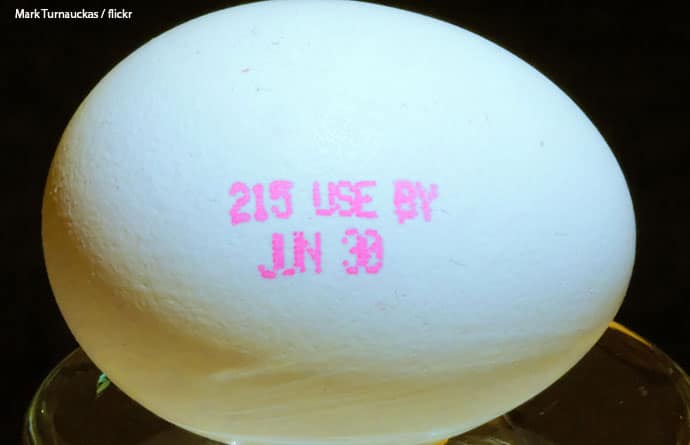
Check the best-before dates carefully
Check expiration dates carefully. Expired food can’t be donated or gifted, so recycle or use up what you can:
Glass jars can go into the glass recycling bin
Cardboard boxes into the paper recycling bin
Old sauces, liquids, or opened perishables go into the compost or trash
This declutters your kitchen and ensures your donations are safe and usable.
Step 3: Use Up Perishables Before Moving
Plan to eat what you can before the move. Stop buying new groceries a week or two ahead and focus on using what’s already there.
Tips to use up food before moving:
Build meals around what’s left in your fridge or freezer.
Search for “leftover recipes” or try our Quick Recipe Ideas below.
Get creative by combining ingredients in casseroles, soups, or stir-fries.
Host a “use-it-up dinner night” or “clean-out-the-freezer party.”
You’ll waste less, save money, and simplify your move.
You may also like to read: Eco-Friendly Moving Tips. In this guide, we look at ways that you can make your home move greener.
Step 3.5: Creative Recipes for Leftover Food
Soups, stews, and stir-fries are an easy way to use up your ingredients
Don’t know what to cook with what’s left? Here are some quick, delicious ideas for your pre-move kitchen cleanout:
1. Freezer Veggie Stir-Fry
Use any mix of frozen veggies, leftover rice, soy sauce, and protein (like chicken or tofu). It’s quick, healthy, and perfect for clearing the freezer.
2. Pantry Pasta Bake
Combine leftover pasta, canned tomatoes, spices, and shredded cheese. Add any leftover meats or veggies before baking.
3. Breakfast-for-Dinner
Use eggs, milk, bread, and fruit that need to be eaten soon. Think omelets, French toast, or breakfast burritos.
4. Smoothie Station
Blend leftover fruit, yogurt, and juice for a quick breakfast before moving day.
5. Soup from Scratch
Use canned veggies, beans, or broth with any fresh produce that’s nearing expiration.
You may also like to read: Things Your Movers Cannot Move. Perishable food is not the only thing that movers are not allowed to transport for health and safety reasons. In this guide, we list the things that movers commonly cannot transport to your new home.
Step 4: Share Food With Friends and Neighbors
It’s unlikely that you’ll eat everything before you move, so: Invite friends or neighbors over to pick from your pantry or host a casual “Goodbye Dinner” or “Packing Party”.
Use what’s left to make snacks or meals, and send guests home with unopened non-perishables.
It’s a fun, eco-friendly way to reduce waste and do a good thing for your neighbors before you leave.
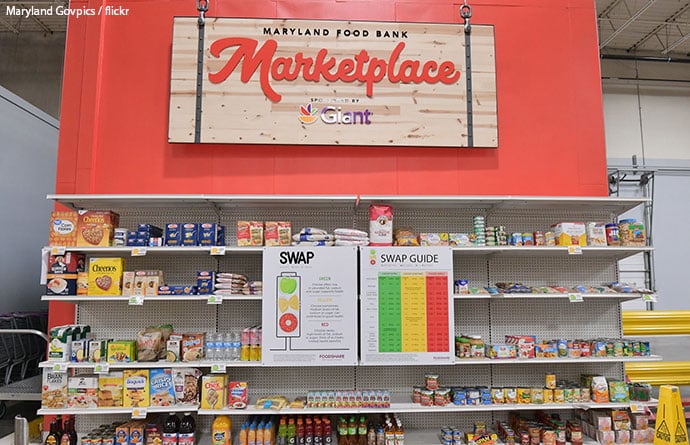
Step 5: Donate Unopened Non-Perishables to Charity
If you still have unopened, non-expired canned or boxed food, donate it.
About Move for Hunger
Move for Hunger is a nonprofit organization that partners with over 1,000 moving companies across the U.S. and Canada. When you move, participating movers will collect your unopened, non-perishable food items and deliver them directly to local food banks, at no extra cost to you.
It’s simple:
Ask your moving company if they’re a Move for Hunger partner.
Set aside your unopened, non-expired canned or boxed foods.
The movers pack it separately and deliver it to a local food bank.
In doing so, you’re helping reduce waste and feed hungry families in your community.
You may also like to read: Where to Donate Things When Moving Home: In this guide, we suggest where you can donate things that are commonly found in a home that you do not want to take to your new home.
Step 6: Pack Only What’s Worth Moving
Don’t attempt to sneak things like sauces and liquids onto the moving truck, as you will invalidate your insurance
If you’re moving locally, you might decide to bring some dry goods. Follow these packing tips:
Canned goods: Use small boxes; they get heavy quickly.
Dry goods: Seal open packages in Ziploc bags to prevent leaks.
Glass jars: Wrap them in paper and cushion the box to prevent breakage.
Label clearly: Write “Food – Kitchen” on each box for easy unpacking.
Avoid moving frozen or refrigerated items unless the trip is very short and you have a cooler.
Step 7: Pack Food for Moving Day
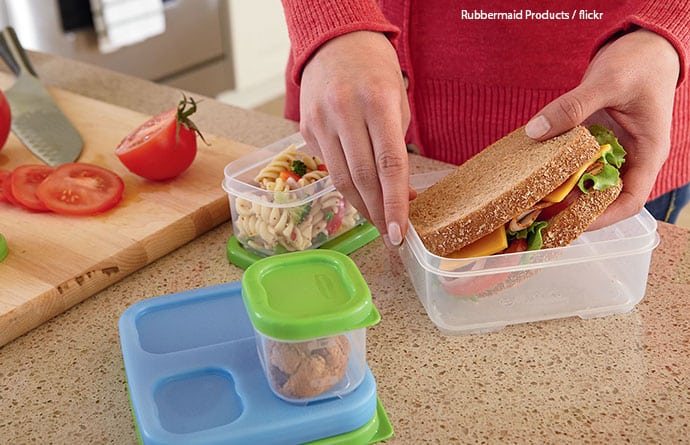
Don’t forget that you will need nutritious food on moving day to replenish lost energy
Moving day is long and energy-draining. Keep simple, easy-to-eat foods ready for yourself, your movers, and your family:
Sandwiches: Peanut butter, turkey, or veggie wraps
Snacks: Protein bars, nuts, fruit, granola
Drinks: Water, juice boxes, or electrolyte beverages
Pack a “first-day food box” with snacks, paper plates, and utensils so you don’t have to hunt through boxes when you arrive. It’s best to take this with you and not in the mover’s truck.
You may also like to read: How to Stay Healthy Moving Home. With so much going on, it is easy to let your healthy lifestyle slip when moving home. In this guide, we suggest ways to help you maintain your healthy lifestyle during your move.
A Little Thought Makes a Big Difference
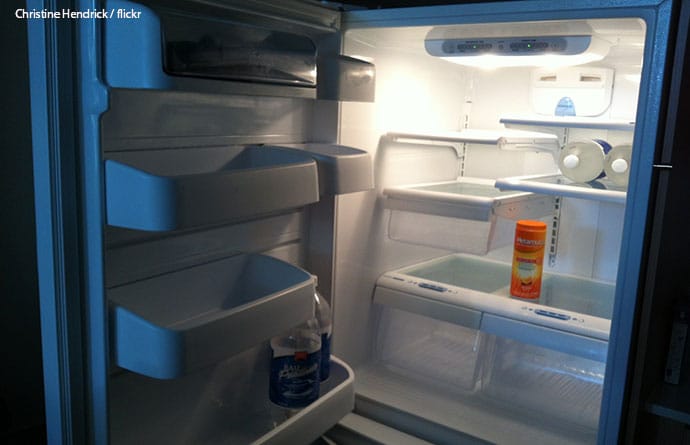
Ideally, your fridge will look like this before moving home
Thinking about the food in your kitchen before a move saves time, money, and resources, and it can make a real difference for people in need.
Every meal you save or share reduces waste, whilst organizations like Move for Hunger make it easy to do a good deed when moving home.
Good luck with your home move, and be sure to visit our home moving blog, which is packed with guides to make every aspect of your home move easier, cheaper, and safer.
I appreciate the advice where you said to do a complete inventory of the food items to be transported to make it easy to take note of them after the move. My family owns a butcher shop, and since we’re planning to move to a new shop building soon, we need help in transferring the frozen meat so they don’t spoil while traveling. I’ll be sure to keep this tip in mind while I look for refrigerated transport to hire for the move soon.
*At MoveAdvisor we will connect you with a professional moving company. Please note that we may not be affiliated with
and you may be speaking with another licensed provider.
We use cookies to optimise your experience.Accept and close or Learn more





Should I hire someone to help me pack my car the day or two before I move, that is, an expert in space efficieny?
I appreciate the advice where you said to do a complete inventory of the food items to be transported to make it easy to take note of them after the move. My family owns a butcher shop, and since we’re planning to move to a new shop building soon, we need help in transferring the frozen meat so they don’t spoil while traveling. I’ll be sure to keep this tip in mind while I look for refrigerated transport to hire for the move soon.