

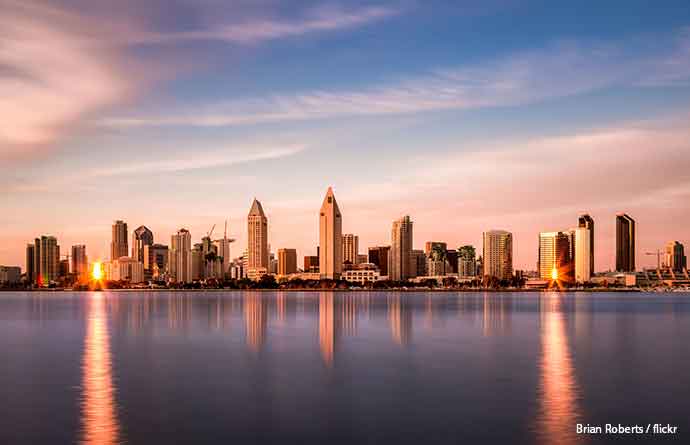
San Diego, known as “America’s Finest City,” is a major coastal city in Southern California celebrated for its temperate climate, beaches, outdoor lifestyle, and a vibrant cultural scene. It’s considered one of the most desirable places to live in the United States.
In this week’s home-moving blog, we discover what makes San Diego America’s Finest City.
Pros and Cons of Living in San Diego
Pros
- Amazing Weather Year-Round
San Diego boasts a mild Mediterranean climate with warm, dry summers and mild winters, perfect for outdoor living all year. - Outdoor Recreation and Nature
With over 70 miles of coastline, scenic parks like Torrey Pines and Balboa Park, trails, surfing, and beaches, it’s ideal for active lifestyles. - Strong Job Sectors
Key industries include biotech, defense, tourism, healthcare, and research, offering good employment opportunities. - Cultural and Culinary Diversity
Vibrant neighborhoods, festivals, museums, global cuisine (especially Mexican food), and a renowned craft beer scene ensure there is always something to do. - Community Feel
Despite its size, many neighborhoods have strong community vibes with local events and neighborhood associations.
Cons
- High Cost of Living
Housing, utilities, transportation, and grocery prices are significantly above national averages, making budgeting essential. - Traffic and Car Dependence
Public transit is limited compared to other major cities. Most residents depend on cars, and rush-hour traffic can be heavy. - Limited Public Transit
The city’s trolley and bus systems don’t cover many neighborhoods well. - Tourist Crowds
Especially in summer, popular attractions can be busy, affecting traffic, parking, and local prices. - Natural Risks
Wildfires, drought conditions, and earthquake risk are real California concerns.
You may also like to read: The Benefits of Moving to a New City. In this guide, we look at 10 life-changing benefits of moving to a new city.
How Much do Movers Cost?
As Featured On:

Cost of Living

San Diego is expensive when compared to the U.S. average:
- Rent: One-bedroom $2,300–$3,500+ per month, depending on location.
- Median Home Price: Around $900,000–$950,000.
- Sales Tax: 7.75% locally, adding to everyday costs.
Everything from groceries to utilities tends to cost more here than the national average.
Tip: Budget realistically and consider suburbs or neighborhoods farther from the coast for more affordable options.
You may also like to read: How to Move Home Cheaply. In this guide, we share tips for making your move to San Diego more affordable.
Job Market and Opportunities
The local job market is diverse:
Key Industries include:
- Biotech & Life Sciences – UC San Diego and various companies.
- Defense & Aerospace – Major military and contracting employers.
- Healthcare & Research – Hospitals and health systems offer good opportunities.
- Tourism & Hospitality – Steady seasonal and year-round roles.
San Diego also saw the nation’s largest net gain of college-educated adults in 2023, adding to the talent pool, which is good for innovation, but means more competition in some fields.
You may also like to read: Moving for Work. In this guide, we look at the pros and cons of moving for a new job.
Best Areas to Live (By Lifestyle)
Urban and Trendy
- Little Italy – Walkable, vibrant downtown neighborhood.
- North Park – Trendy, food & beer scene.
- East Village – Downtown living near entertainment and jobs.
Coastal and Beach Vibes
- Pacific Beach – Active beach community.
- La Jolla – Upscale coastal living with great beaches.
- Ocean Beach – Bohemian, eclectic, walkable.
Family-Friendly and Suburban
- Carmel Valley – Parks, schools, safety.
- Rancho Peñasquitos / Scripps Ranch – Quiet, good for families.
- Poway & Mira Mesa – More space and established communities.
You may also like to read: How to Choose a Good Neighborhood. In this guide, we suggest factors to consider when choosing a neighborhood to live in.
Schools and Education
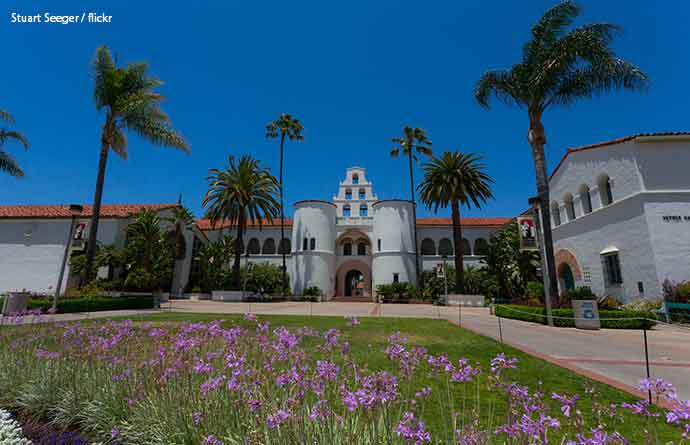
The San Diego Unified School District covers many city neighborhoods with varying performance; suburban areas like Carmel Valley and Rancho Peñasquitos often have higher-rated schools.
For higher education, UC San Diego and San Diego State University provide strong academic and research opportunities.
You may also like to read: Choosing a Good School. In this guide, we suggest things to take into consideration when choosing a new school.
Transportation

San Diego offers:
- Bus and Trolley Service (Metropolitan Transit System), which is decent in central areas but limited beyond that.
- Car Culture – Most people drive, and traffic can be heavy during peak hours.
- Biking & Walking – Some neighborhoods are walkable (Little Italy, North Park), but overall, car use is still the norm.
Crime and Safety

San Diego generally has a lower violent-crime rate than many major U.S. cities, and recent years have seen declines in several crime categories.
However, like any big city, safety varies by neighborhood, so research local statistics before committing to a specific area.
You may also like to read: Moving to a New City Alone. In this guide, we look at the challenges and solutions of moving to a new city alone.
Weather and Climate Change

Climate & Weather
- Mediterranean climates with around 266 sunny days per year and mild temperatures make year-round activities a reality.
- Microclimates can vary, with fog near the coast and being hotter inland.
Climate Risks
- Heatwaves are increasing and pose health and cooling cost concerns.
- Wildfire & fire-risk zones around some suburbs raise insurance costs and preparedness needs.
- Water scarcity and drought influence bills and usage restrictions.
Tip: Look at flood and fire maps when choosing a home, and budget for adequate insurance.
You may also like to read: Where to Move to Avoid Climate Change. In this guide, we suggest climate change considerations to take into account when moving home.
Culture, Lifestyle, and Recreation

What You’ll Love
- Outdoor lifestyle & beaches
- World-class museums and parks
- Live music, festivals, and farmers’ markets
- Diverse dining and craft beer scene
- Healthy living culture
The Downsides
- Tourist crowds, especially at popular venues.
- Higher prices for entertainment and dining compared with smaller cities.
You may also like to read: Moving After Retirement. San Diego seems like a great place to retire. In this guide, we look at the pros and cons of moving home after retirement.
Integration and MovingTips

- Visit first (if possible) to explore neighborhoods.
- Plan a budget with cost of living in mind — include utilities, insurance, and taxes.
- Network locally — meetups, Facebook groups, or community boards help make settling in easier
- Secure housing early — there is a competitive market, so consider furnished short-term rentals before buying/long-term leases.
- Prepare for climate — factor in water costs, wildfire season, and cooling needs.
Useful Resources
- Great Schools – For San Diego school ratings
- Indeed – Find local job opportunities
- City of San Diego – Crime and safety maps
- Niche – San Diego neighborhood reviews
- Realtor – For rental and real estate listings
- Commute Time Map – Average commuting time maps
- Numbeo – Cost of living comparison
- San Diego Magazine – Things to do in San Diego
- Climate Check – For climate change considerations
- San Diego MTS – For all things local transport
- Moveadvisor – To find top-rated movers
Should I Move to San Diego?

San Diego arguably offers one of the best lifestyles in the country: it is amazing for weather lovers, outdoor enthusiasts, professionals in science, tech, and defense sectors, and anyone craving coastal California living, but affordability and transportation can pose challenges.
With good planning and realistic budgeting, it’s often considered one of the most rewarding places to call home in the U.S.
Good luck with your move to San Diego, and be sure to visit our home moving blog to make every aspect of your home easier, cheaper, and safer.
Also Read

Boston Moving Guide – Info and Advice
History, culture, green open spaces, and a thriving economy await you in Boston Boston is one of the most... Read More

Is Chicago a Good Place to Live?
Chicago is a vibrant, culturally diverse, and beautiful city Chicago, often referred to as the "Windy City," is a... Read More

Moving to New York City
Frenetic, crowded, and expensive, but what a great place to live! Thinking of Moving to New York? With so many... Read More
More about the author

Pamela is an experienced specialist in the relocation industry and co-author of two moving books. Writes for MoveAdvisor, formerly MyMovingReviews.com.

Martin is a moving expert and online marketer who’s been involved in the moving industry since 2004. Writes for MoveAdvisor, formerly MyMovingReviews.com.
Posted on
Discussion 0 comments
Leave a comment