Quebec is a province in eastern Canada with a strong French-speaking identity, a rich culture, and diverse landscapes.
It’s the only Canadian province where French is the predominant language, shaping everything from education to everyday life.
In this week’s home moving post, you will find practical tips for moving to Quebec.
Pros of Living in Quebec
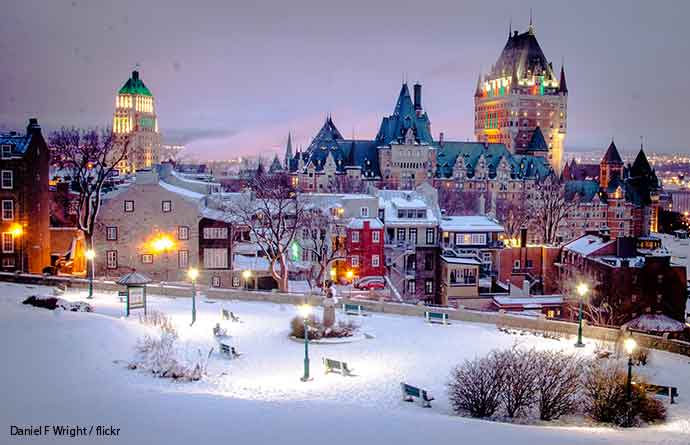
Montreal, Quebec
Lower Cost of Living (Compared to Other Canadian Cities)
Housing, groceries, and general expenses in Quebec City and many other towns are more affordable than in Toronto or Vancouver, making it attractive for newcomers.
Quality of Life and Natural Beauty
Quebec boasts access to nature, outdoor recreation (including hiking, skiing, and rivers), a slower pace of life in smaller cities, and a variety of cultural festivals year-round.
Free Public Education and Excellent Universities
Public schooling is free, with options available in French and sometimes English. The province is home to globally recognized universities in Montreal and Quebec City.
Public Healthcare System
Residents are eligible for coverage under the provincial health plan (RAMQ), though you need to register after arrival.
Job Market Diversity
The economy includes aerospace, IT, tech, AI, renewable energy, healthcare, and more. Montreal and Quebec City especially attract professionals.
Cultural Diversity
History, food, festivals (like Montreal Jazz Festival), and arts mean you can expect a vibrant social life.
While Montreal is bilingual in many areas, French fluency is a major advantage for jobs and social integration.
Harsh Winters
Winters are long and cold with heavy snow, so be prepared for that.
High Taxes
Quebec has among the highest combined income and sales taxes in Canada, which can be a bit of a shock despite lower living costs.
Adjustment to Culture and Bureaucracy
Rules and processes (driver’s license, SIN, taxes, and health registration) take time to learn. Patience and good organization will help you navigate the processes.
You may also like to read: Moving to a New Province. In this guide, we suggest things to take into consideration before choosing which province to move to.
Cost of Living
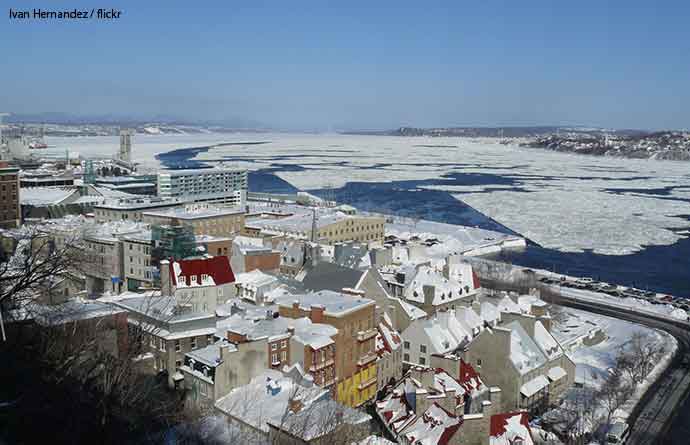
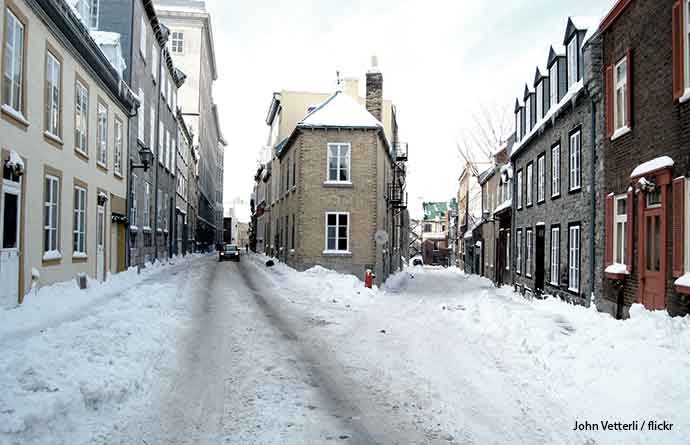
Lower-than-average rental costs in Quebec City
Here’s what you can expect:
Housing
Quebec City: Around CAD $1,234 for a 1-bedroom rental (below the national average).
Montreal: Around CAD $1,752 for a 1-bedroom apartment.
Monthly Basics
Groceries: Around CAD $300–$500 per person
Utilities: About CAD $80–$100
Transit Pass (Montreal): CAD $104.50
Initial Costs
First and last month’s rent is often required.
Budget for deposits, SIM, ID cards, and moving costs.
You may also like to read: How to Save Money Moving Home. In this guide, we offer some suggestions to help lower your relocation costs.
Job Market and Opportunities
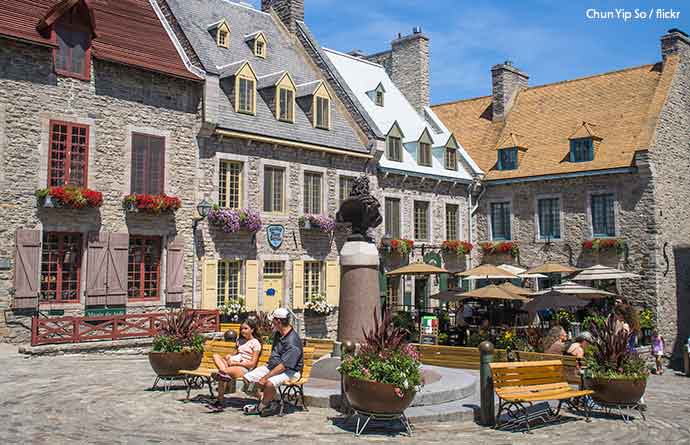
Learning French will help in local job markets
Quebec’s job scene is stable and diverse. The high-demand sectors include:
Tech and AI
Science
Healthcare
Engineering
Aerospace
Education
Manufacturing and Services
Most job openings in the public sector or skilled work expect at least conversational French. English alone limits your options outside major cities like Montreal. Language classes and networking are important.
You may also like to read: Moving for Work. In this guide, we look at the pros and cons of moving to a new city for work.
Free K-12 education is mostly in French, but some English boards are available in areas with anglophone communities.
Universities and Colleges
McGill University (English)
Universite de Montreal
Concordia University
Universite Laval
Private Options
Prestigious options like College Jean-de-Brebeuf exist for K-12 and beyond.
You may also like to read: How to Choose a Good School. In this guide, we suggest things to take into consideration when choosing a new school for your kids.
Safety and Everyday Life
Quebec as a whole, especially outside large metro areas, is considered relatively safe, with low crime rates in cities like Levis and Saguenay.
You may also like to read: Moving to a New City Alone. In this guide, we look at the challenges and solutions of moving to a new city alone.
Best Places to Live in Quebec
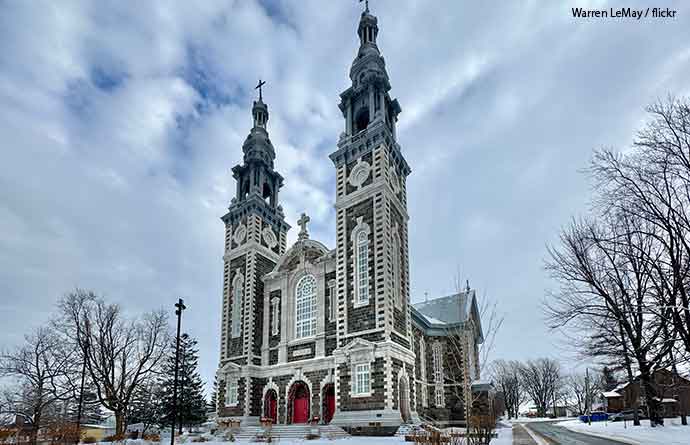
Yamachiche, Quebec
Here’s a mix of urban and family-friendly options:
Big Cities
Montreal: Best for jobs, culture, global life.
Quebec City: Historic charm, lower cost than bigger Canadian metros.
Suburbs and Smaller Cities
Boucherville: For a calm suburban lifestyle and jobs.
Levis: Safe, affordable, and close to Quebec City.
Sherbrooke & Saguenay: Great for families and nature.
Plus, smaller gems like Hampstead or Kirkland near Montreal offer high incomes and quality of life.
Quebec has four distinct seasons with heavy snow in winter and warm summers.
Tornadoes and thunderstorms occur occasionally
Rain is common throughout the year
Prepare with winter gear, proper home heating, and winter driving skills.
You may also like to read: Climate Migration. In this guide, we look at how climate change can affect your choice of where to move.
Important Steps After Arrival
Apply for a Social Insurance Number (SIN) for work.
Register for health coverage (RAMQ).
Exchange driver’s license.
Integration Tips
Place-des-Arts, Chinatown, Montreal
Learn French: Even basic skills will improve your job prospects and social life.
Join Community Events and Volunteer: Festivals, markets, and groups will help you meet people and feel at home.
Use Social Media & Expat Groups: Online communities (Facebook and Meetup) are practical for networking.
Explore Before You Settle: Plan a short visit to check neighborhoods and schools before making the final move.
You may also like to read: Moving After Retirement. If you are thinking of retiring to Quebec, then in this guide, we look at the pros and cons of moving home after you retire.
Useful Resources
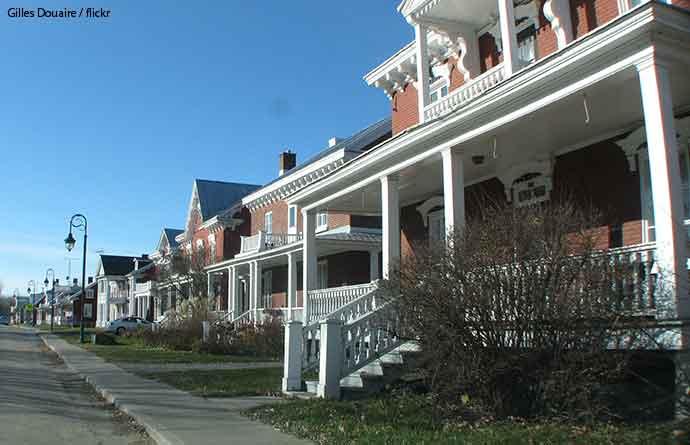
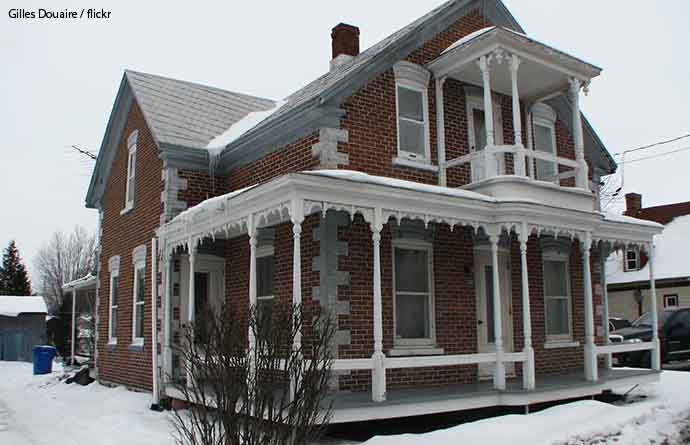
Massueville, Quebec
Moveadvisor – Find the best movers to get you to Quebec
Relocating to Quebec offers a high quality of life with culture, affordability, and opportunities, especially if you can speak or are prepared to learn French and can cope with the seasonal challenges.
And if you are still unsure where to move within Canada, be sure to check out our Canadian guides in our home moving blog.
*At MoveAdvisor we will connect you with a professional moving company. Please note that we may not be affiliated with
and you may be speaking with another licensed provider.
We use cookies to optimise your experience.Accept and close or Learn more










Share your thoughts by leaving a comment