


Thinking about relocating to the beach? Moving to a coastal home in the USA is a dream for many, with gorgeous ocean views, an outdoor lifestyle, and a laid-back way of life.
But before you buy a beach house, it’s essential to consider the pros and cons of coastal living.
If you’re wondering whether coastal living is right for you, read on.
The Pros of Moving to a Coastal Home in the USA

#1. Breathtaking Views and Relaxing Atmosphere
One of the biggest advantages of buying a coastal home is the scenery. Coastal properties often feature:
- Stunning sunrises and sunsets
- Ocean breezes and soothing wave sounds
- Beautiful landscapes and wildlife
- This serene environment can significantly enhance your lifestyle and reduce stress.
You may be interested to find out the best places to live by the beach as recommended by www.realestate.usnews.com
#2. A Healthier, Outdoor Lifestyle
Living near the coast opens the door to endless recreational opportunities:
- Swimming, surfing, and paddleboarding
- Beach jogging and coastal hiking
- Boating, fishing, and diving
- An active, outdoor lifestyle often leads to improved physical and mental well-being.
You may also like to read: Moving After Retirement. Living by the sea is a retirement ambition of many, so in this guide, we look at the pros and cons of moving after retirement.
#3. High Property Value and Investment Potential
In popular beach communities, coastal property usually appreciates in value over time.
Oceanfront homes, in particular, are usually in high demand and offer solid long-term value. Buy right, and a coastal home can be both a lifestyle upgrade and a shrewd investment.
#4. Possible Vacation Rental Income
If you’re not living full-time in your coastal property, you can rent it out as a short-term vacation home. In top tourist areas, rental demand is often year-round.
Benefits of owning a rental-friendly beach home include:
- Extra income to offset mortgage costs
- Tax deductions for maintenance and rental expenses
- The ability to use the home when it’s not booked
#5. Mental Health Benefits
Living by the sea is known to have psychological benefits. According to research, people who live near water report higher happiness levels, reduced anxiety, and improved cognitive function. The coast offers a natural way to unwind and relax.
You may also like to read: How Does Moving Change Your Life? In this guide, we look at the emotional and physical effects of moving home.
You may be interested to see this report from the European Centre for Environment and Human Health on how living by the sea improves your health and mental wellbeing
How Much do Movers Cost?
As Featured On:

The Cons of Moving to a Coastal Home in the USA

As with most things in life, there are always downsides. Here are things to be aware of when moving to the coast.
#1. High Cost of Living and Home Prices
While coastal homes can be a good investment, they often come with:
- Premium pricing for beachfront properties
- Higher property taxes and HOA fees
- Expensive local amenities due to tourism
- If you’re considering buying a home on the coast, ensure your budget includes these added costs.
For an overview of the latest housing market trends, visit www.zillow.com
#2. Weather Risks: Hurricanes, Flooding, and Erosion
One of the biggest downsides of coastal living in the USA is exposure to natural disasters. Coastal regions, especially in Florida, the Carolinas, Texas, and Louisiana, are prone to:
- Hurricanes (especially from June to November)
- Flash flooding and storm surge
- Coastal erosion that may impact property boundaries
- You’ll need a solid disaster preparedness plan and possibly an evacuation strategy.
You may also like to read: Where to Move to Avoid Climate Change. In this guide, we look at climate migration and the best places to live to avoid climate change.
To discover how climate change will affect the US coastline, visit www.epa.gov
#3. Expensive Homeowners and Flood Insurance
Living near the ocean requires extra insurance:
- Flood insurance, often mandated in FEMA zones
- Windstorm coverage for hurricane-prone regions
- Premiums that rise over time due to increased climate risk
- For example, coastal Florida homeowners may pay several thousand dollars per year in insurance alone.
To see just how much insurance can vary between an inland and coastal property, visit www.nar.realtor.com
#4. High Maintenance Costs and Wear from Salt Air
Salt air, humidity, and sandy conditions can accelerate wear and tear:
- Corrosion of metal fixtures and outdoor furniture
- Mold and mildew issues
- Frequent painting, roof repairs, or HVAC replacements
- Expect higher maintenance costs compared to inland homes.
#5. Tourist Crowds and Seasonal Congestion
If your coastal home is in a popular destination, you may experience:
- Heavy summer traffic, including a lack of parking
- Noisy neighborhoods
- Fully booked restaurants and crowded public spaces
- While off-season can be quiet and peaceful, peak season may test your patience, especially in tourist-heavy towns.
You may also like to read: The Benefits of Moving to a New Place. In this guide, we look at 10 benefits of moving to a new place.
Questions to Ask Yourself Before Moving
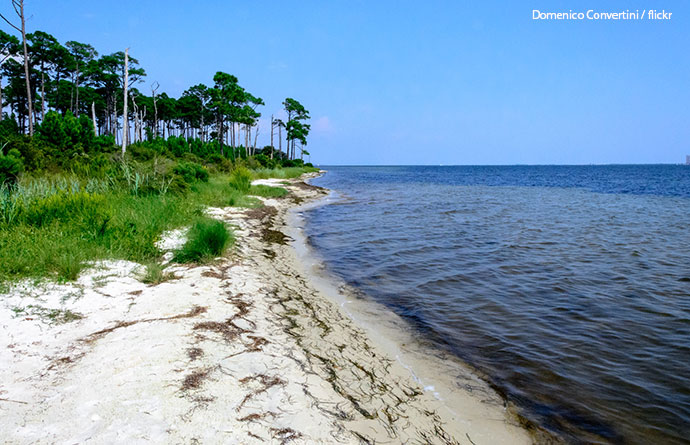
To make the most informed decision about moving to a coastal home in the USA, ask yourself:
- Can I afford the upfront costs and ongoing insurance premiums?
- Am I prepared for potential weather-related damage or evacuations?
- Will I live here full-time, seasonally, or use it as a rental?
- Does the area offer the lifestyle I want long-term?
- How might sea-level rise affect this region in 10–20 years?
Doing your due diligence can save money, stress, and regret down the road.
You may also like to read: Things to Consider When Moving Out of State. In this guide, we suggest things to take into consideration when deciding to move to a new state.
Best Coastal Locations to Consider in the USA

If beauty, affordability, and livability are on your beach home wish-list, then these U.S. coastal areas are worth exploring:
- Pensacola, Florida – Budget-friendly Gulf Coast charm
- Cape Cod, Massachusetts – History, scenery, and community
- Port Angeles, Washington – Less crowded Pacific coast beauty
- Beaufort, South Carolina – Southern elegance and mild winters
- Galveston, Texas – Good value and steady tourism economy
Each region offers a unique take on coastal living. Visit in both high and low seasons before buying.
Be sure to visit our moving guides, which provide in-depth state and city guides.
Should You Move to a Coastal Home in the USA?

The beach lifestyle offers natural beauty, health benefits, and solid investment potential. On the other hand, it comes with risks, costs, and maintenance costs that shouldn’t be overlooked.
If you’re financially prepared and comfortable with seasonal challenges, a coastal home can be a fulfilling and enriching place to live. But if you prefer predictability and lower costs, you may want to enjoy the coast as a vacation spot instead of a permanent residence.
When you are ready to make the move, be sure to check out our home moving blog, which is packed with guides to make every aspect of your home move easier, cheaper, and safer.
Do you live by the coast or would you like to? Share your thoughts in the comments below!
Also Read

Office Moving Checklist: How to Plan the Perfect Office Move
Moving to a new office can be a serious task for a business - an office relocation job that often proves to be... Read More

Boston Moving Guide – Info and Advice
History, culture, green open spaces, and a thriving economy await you in Boston Boston is one of the most... Read More

10 Hot Tips for Moving in the Summer
It’s no secret that summer is the most popular season to move house – the weather is usually nice (warm and dry),... Read More
More about the author

Pamela is an experienced specialist in the relocation industry and co-author of two moving books. Writes for MoveAdvisor, formerly MyMovingReviews.com.

Martin is a moving expert and online marketer who’s been involved in the moving industry since 2004. Writes for MoveAdvisor, formerly MyMovingReviews.com.
Posted on
I would love to move to a beach town! The weather and the beach – yes that is why you are very much right 🙂