New Zealand is a top expat destination for its safety, outdoor lifestyle, well-ranked public health system, English-speaking culture, and career opportunities in tech, healthcare, engineering, and specialist trades.
But as with any international home move, there is a lot of information to gather first, plans to make, and things to organize.
This guide will give you the essentials to get your plans started and ensure a safe and stress-free move to New Zealand.
Why Expats Choose New Zealand
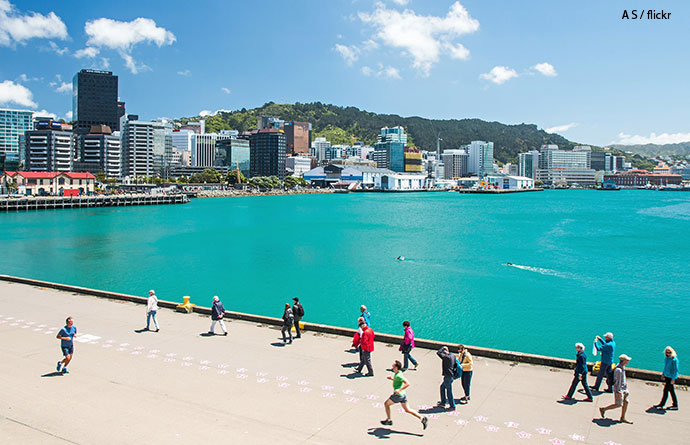
Wellington New Zealand
Quality of life & safety. New Zealand consistently ranks among the world’s safest and most peaceful nations; low violent crime and high Global Peace Index scores attract families and retirees.
Nature and an outdoorsy lifestyle. Mountains, beaches, and accessible wilderness are a huge draw for outdoor enthusiasts and families.
English language and friendly culture. English is the primary language; Kiwis are generally welcoming and informal, which eases integration.
Career opportunities in skilled sectors. Tech, healthcare, construction, agriculture, tourism, and specialist trades frequently recruit skilled migrants.
You may also like to read: My Partner Wants to Move – I Don’t – Now What? In this guide, we help you navigate through one of the most common problems couples face when thinking about moving home.
How Much do Movers Cost?
Save up to 40% on your upcoming move and get a quote from reputable moving experts.
Immigration New Zealand (INZ) is the authoritative source. Here are the common pathways:
Skilled Migrant Category (Expression of Interest – Resident Visa): for people with in-demand skills, qualifications, and work experience. This Visa is points-based.
Work to Residence / Accredited Employer Work Visa (AEWV): Employer-sponsored work visas can lead to residence after a qualifying time.
Temporary work visas (various): essential skills, long-term skill shortage lists, working holiday visas for certain countries (short-term).
Investor/Business visas: Active Investor, Investor Plus, and Business Investor routes. If you’re high-net-worth, these are options, but check up-to-date thresholds and conditions.
Permanent residency & citizenship: residency generally precedes citizenship; citizenship has residency and character requirements.
Tip: visa rules change (e.g., new National Occupation List introduced in 2025). Always use Immigration New Zealand as your source before applying.
You may also like to read: Shipping Your Car Internationally. If you are considering taking your car to New Zealand, you will find this guide invaluable.
Healthcare and Insurance
Public system: New Zealand has a mostly publicly funded health system providing a wide range of hospital and community services. Residents and citizens are usually eligible for subsidized care; many expats arrange private cover while their residency status is being confirmed.
ACC: New Zealand has a unique Accident Compensation Corporation (ACC) scheme that covers costs from accidental injury regardless of fault. This is important for newcomers to understand.
Private health insurance: widely used for faster elective surgery access and extras like dental or optical. Consider private cover if you’re not yet a resident.
You may also like to read: Home Moving Insurance. Being underinsured is the most common home moving mistake – especially when moving overseas. In this guide, we explain all you need to know about insuring your things when moving home.
Vaccinations and Inoculations
No mandatory vaccines are required to enter for most travelers, but public health authorities recommend being up to date with routine vaccines (MMR, DTP, polio). The CDC advises measles vaccination for all travelers; New Zealand has high immunization coverage, but outbreaks can happen. If you come from or transit through areas with specific risks, check CDC/WHO updates.
Travel clinic: see a travel clinic 4–8 weeks before travel for personalised advice (tetanus boosters, hepatitis A if recommended for your region/activities).
Safety and Crime
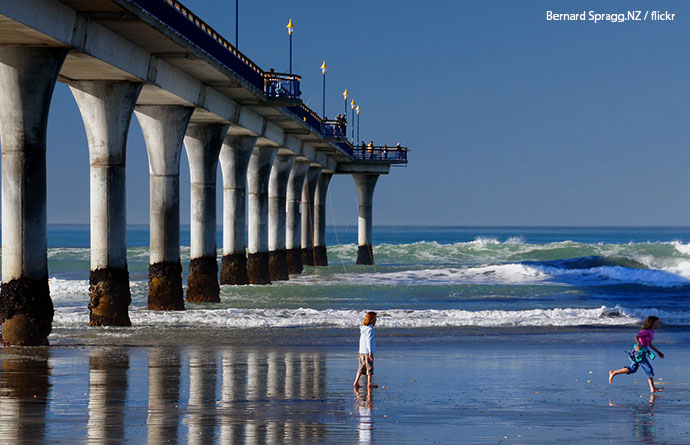
Christchurch New Zealand
Generally, this is a very safe country in which to live.
New Zealand ranks among the safer countries globally with low levels of violent crime and political instability.
Urban petty crime, such as theft and car break-ins, exists particularly in larger cities, so ordinary street smarts apply.
Recent laws targeting gang insignia and gang activity reflect national policies to improve public safety.
You may also like to read: Moving Home Alone. In this guide, we look at the challenges that anybody thinking of moving to a new place alone faces and offer some solutions.
Best Places for Expats
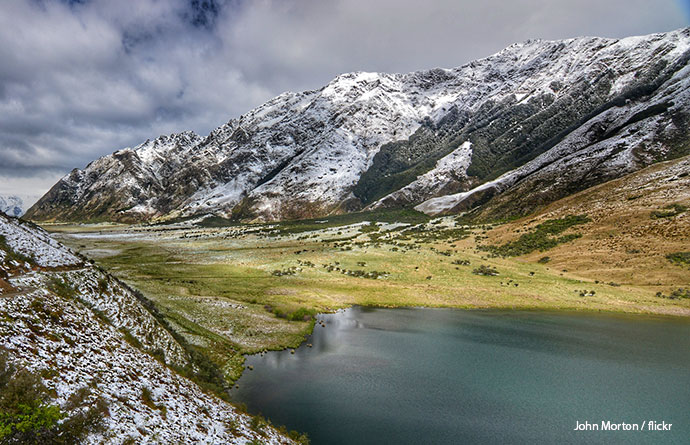
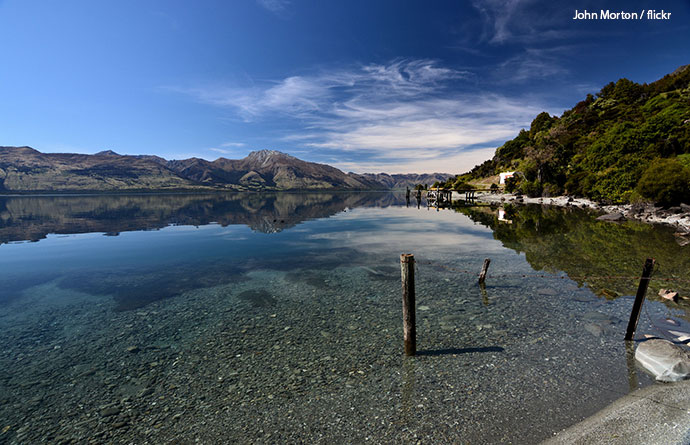
Twizel New Zealand
Auckland — the biggest city, the highest job concentration (finance, tech, shipping), multicultural, the busiest international airport; higher cost of living and housing competition.
Wellington — capital, government & creative industries, compact city, strong café/culture scene.
Christchurch — affordable compared with Auckland/Wellington, rebuilding/commercial opportunities, gateway to the South Island outdoors.
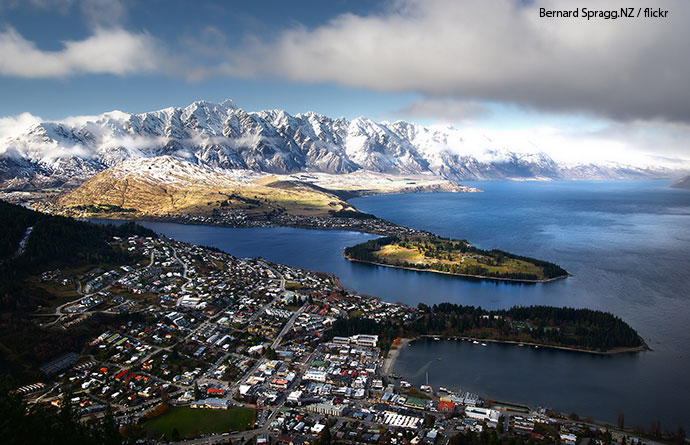
Queenstown — tourism/outdoor lifestyle hub; great for hospitality/tourism careers; more seasonal work and higher tourist-driven prices.
Tauranga / Bay of Plenty — beach lifestyle, popular with retirees and families.
Small cities like Nelson, Napier, and Hamilton are good if you want a quieter life with access to cities.
You may also like to read: How to Choose a Good Neighborhood. In this guide, we suggest things to take into consideration when choosing a new neighborhood to move to.
Shipping Household Goods to New Zealand
Container shipping (full container or shared/less-than-container-load):
From the US West Coast to theNorth Island (Auckland/Tauranga): typical sea transit 19–21 days (port-to-port); door-to-door usually 4–9 weeks depending on consolidation and customs.
From Northern Europe to NZ (Tauranga/Lyttelton):35–40 days sea transit (port-to-port); door-to-door 5–8+ weeks depending on routing.
Air freight: takes days but is expensive.
Customs & biosecurity: New Zealand has strict biosecurity (no unprocessed food, plants, or some wooden items) requiring full declarations and possible inspection. Factor in delays if your goods require fumigation or special certificates.
Practical tip: get quotes from multiple international movers, clarify door-to-door vs port-to-port times, and pay particular attention to insuring your goods.
You may also like to read: Choosing an International Mover. It is essential that you pick a reputable international mover for your move. In this guide, we explain step-by-step how to pick a good overseas mover.
Cost of Living and Housing
Rotorua Museum of Art and History
City variation: Auckland and Wellington are generally the most expensive for rent and housing; Christchurch and smaller regions offer more affordable options.
Housing market: residential prices can be high in desirable suburbs; rental supply varies, so secure temporary accommodation before arrival while you look.
Taxes: residents pay income tax on worldwide income; NZ has no capital gains tax in many ordinary cases (but rules can be complex, so check the current tax law). Consult an accountant for residency/tax planning.
You may also like to read: Countries That Will Pay You to Move There. In this guide, we look at countries that offer incentives for people wanting to move there, what the incentives are, the criteria that you need to meet, and ask if that country is right for you.
Schools, Families, and Retirees
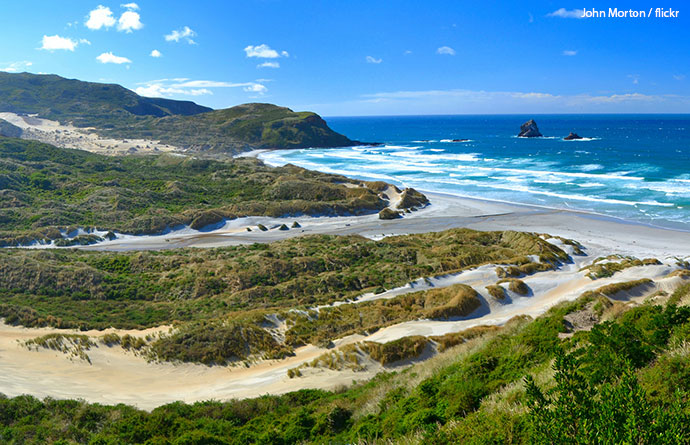
Sandfly Bay, Otago
Families: public schools are good and free for residents; many excellent private/independent schools exist. School zoning is important for catchment areas; research local schools before choosing a suburb.
Retirees: NZ is attractive for retirees due to safety, healthcare, the outdoors, and community amenities. Some visa categories were created for investors/retirees, but plain retiree residency has stricter rules.
You may also like to read: Moving After Retirement. In this guide, we look at the pros and cons of moving after retirement.
Daily Life in New Zealand
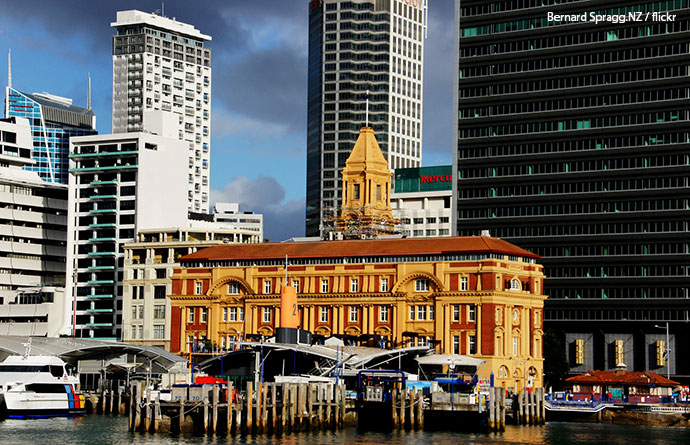
Auckland Ferry Terminal
Working rights: depends on your visa. AEWV and accredited employer schemes require job offers that meet skill and pay thresholds.
Banking: easy to open an account remotely with major banks (ANZ, BNZ, Westpac, ASB), but you’ll need ID and proof of address. Most expats use a New Zealand bank account for salary and bills.
Driving: NZ drives on the left. You can use an international driving permit or certain overseas licences for a limited period; residents must obtain a NZ licence after a defined time. Public transport is best in cities (Auckland/Wellington have rail/bus networks).
Mobile & internet: robust coverage in urban areas; buy a local SIM and plan. 5G rollout is widespread in cities.
You may also like to read: Best Countries to Move To. If you are not totally sold on the idea of moving to New Zealand, then consider these countries that are regularly voted as the best countries for expats to move to.
Culture and Social Integration
Te-Putaki-o-te-Riri, Annual NZ Wars Commemoration
Bicultural nation: Te Tiriti o Waitangi (Treaty of Waitangi) underpins modern NZ. Māori culture (language — te reo Māori, customs — tikanga) is an important and growing part of national life; learning about Māori customs and place names helps integration.
Work culture: relatively flat hierarchy, informal, emphasis on work-life balance. Outdoor hobbies, community sports, and local events are common ways to meet people.
Food & social life: café culture, BBQs/beaches, wine regions (Marlborough), and seafood are staples.
Moving Checklist
Check visa eligibility & lodge visa before travel (INZ).
Book temporary accommodation (2–6 weeks).
Organize shipping & insurance (compare transit times/door-to-door quotes).
Obtain police clearance and medicals if required for the visa.
Get recommended vaccinations and up-to-date routine immunizations.
Open a NZ bank account, sort tax number (IRD), and mobile SIM.
Research schools and enroll children; check school zones.
Prepare pet paperwork early, as NZ has strict biosecurity and quarantine rules.
Buy health insurance if not immediately eligible for public care.
You may also like to read: Moving Internationally. This is a whole library of guides intended to make every aspect of your international home move easier, safer, and cheaper.
FAQ
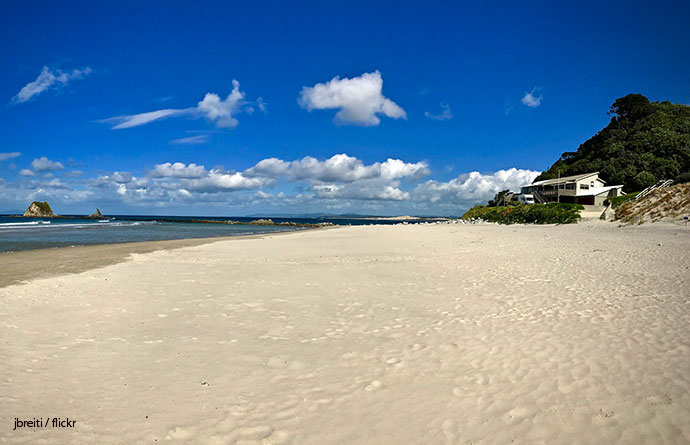
Mangawhai-Heads-Northland
Q: Do I need vaccinations to live in NZ? A: No mandatory vaccines for entry for most people, but be up-to-date with routine immunizations — MMR is strongly recommended.
Q: How long does shipping take from the USA? A: Port-to-port ~19–21 days from the US West Coast; door-to-door commonly 4–9 weeks depending on consolidation and customs.
Q: Is NZ good for retirees? A: Yes. Safe, outdoorsy, with good healthcare, but visa/tax rules for retirees are specialized; check investor and residency criteria.
Q: How easy is it to get a job? A: If your skillset matches in-demand occupations (IT, healthcare, engineering, trades), prospects are good. Employer-sponsored visas are common routes.
You may also like to read: Moving Abroad Checklist. In this guide, we have created a checklist so that you do not forget any of those important home moving tasks, especially tailored for overseas moves.
CitizensAdvice – For general help and information for new migrants
Is Moving to New Zealand Right For You?
New Zealand offers an exceptional mix of safety, nature, and a high standard of living that attracts families, professionals, retirees, and adventurous singles.
The practical hurdles are visa paperwork, biosecurity rules, and, in some cities, housing shortages, but with the right planning (visas, shipping, insurance, school research), relocation is entirely achievable and rewarding.
Good luck with your move, and be sure to visit our home moving blog for guides to make every aspect of your home move easier, cheaper, and safer.
*At MoveAdvisor we will connect you with a professional moving company. Please note that we may not be affiliated with
and you may be speaking with another licensed provider.
We use cookies to optimise your experience.Accept and close or Learn more












Share your thoughts by leaving a comment