


Highlights
- Rain on moving day can cause a lot of troubles and pose a number of extra challenges to your relocation endeavor.
- If it is likely to rain on the day of your move, be sure to provide your belongings with adequate protection against moisture.
- Do everything possible to keep your items out of the rain when loading them on the moving truck.
- Take measures to protect the floors against moisture and mud.
- Make safety your first priority.
In almost all cultures around the world, rain is believed to be a sign of blessing and an omen of good luck. And while you certainly wish for good luck when moving house and starting a new life in a new place, you’d most probably prefer it didn’t come in the form of rain on Moving day. In fact, rain clouds on the horizon on the day of your move are more likely to be seen as a harbinger of disaster rather than an indication of good fortune.
And indeed – a heavy rainstorm can totally ruin your move. Even a light drizzle can cause a lot of troubles and pose a number of extra challenges to your relocation endeavor. You will not only have to find a way to keep your belongings safe and dry, but will also need to protect the floors and carpets in your home from the mud and dirt that will be tracked inside when going in and out in the rain. Not to mention that the risk of accidents and injuries is considerably higher when moving in the rain.
So, what to do if it rains on moving day? How to ensure the safety of your belongings, your property, your family, your movers, and yourself when it’s pouring outside at the time of your move?
Here are some insightful tips for moving house in the rain that will help you perform a smooth and trouble-free relocation even if it’s coming down in buckets on the Big day.
Packing Precautions
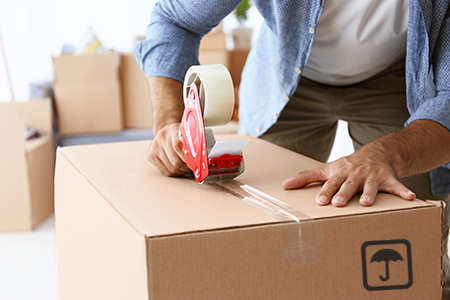
If the weather forecast predicts rain on the day of your move or if you’re living in or moving to a place that sees a lot of rain, you need to plan ahead and take some effective precautionary measures that will allow you to perform a safe and successful move, regardless of the atmospheric conditions.
Your first and foremost task is to provide your belongings with adequate protection against moisture and inclement weather. If you “waterproof” your items well enough, you won’t need to worry about water damage even when moving house in the rain.
1) Use quality moving boxes and keep them protected from the water
New cardboard boxes that are especially designed for use in the moving industry are stronger and more durable than you may think. Unless they’re exposed to wet conditions for very long periods of time, quality moving boxes will provide your belongings with good enough protection against moisture. Just make sure you seal them well with packing tape.
Keep in mind though that old cardboard boxes may be worn thin in places or already compromised by previous uses, so they may easily lose their structural integrity and fall apart when they get wet and soggy. If you intend to use old boxes for your move, you need to take some extra precautions:
- Reinforce the boxes with several layers of packing tape around the corners, edges, and bottoms;
- Inspect the boxes closely and tape over any tears or holes you discover;
- Line the boxes to minimize water intrusion – put a plastic sheet, drop cloth, or trash bag into the box so that it covers the bottom, place your items inside the container, then fold the sides of the plastic covering over the contents. Tape them together with packing tape;
- Put your items in plastic bags before placing them in the boxes;
- Consider covering the boxes entirely in plastic sheets or tarpaulin or putting them in large plastic bags.
Good to remember:
- Lift and hold the boxes from the bottom for support;
- Don’t set the boxes on the wet ground outside;
- Put boxes that contain very valuable items or paper items (books, photos, etc.) in plastic bags for extra protection.
2) Use plastic bins instead of cardboard boxes
Plastic boxes will provide the best possible protection to your items when moving in the rain – water cannot damage the plastic containers or seep through them to get to your belongings. They will remain safe and dry throughout the entire moving process, no matter how heavily it rains outside. Just make sure the lids fit tightly (if there are any openings, cover them with plastic and tape it securely in place).
3) Wrap your household items
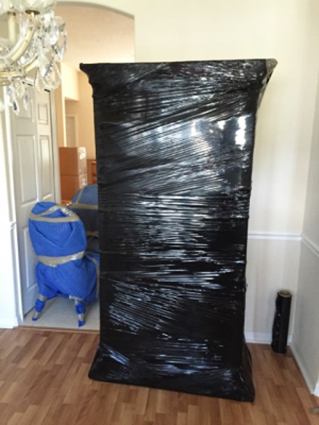
Wrap everything that is not safely packed in waterproof moving containers – use moving blankets, old towels, or other similar materials to provide a protective layer between your items and the rain, then cover the wrapped items with plastic wrap, plastic sheets, plastic drop cloths, or tarps to keep moisture away. Use packing tape to secure the plastic wrapping in place.
While stretch wrap is your best choice for packing furniture and other large household items for moving in the rain, smaller items can be efficiently protected from the water inside plastic bags – even simple garbage bags will do the trick.
4) Clearly label items that shouldn’t get wet
Use a bright-colored, permanent marker to write “KEEP DRY” or “DON’T GET WET” on all sides of boxes and wrapped items that are especially susceptible to water damage.
This way your movers will know that they need to be extra careful when handling these items and will make everything possible to prevent their contact with moisture (will wait for a lull in the rain to take them to the moving truck, will put them on top of other items and away from the exterior walls when packing them in the moving van (to avoid any water on the floor and any condensation on the sides of the truck), etc.)
5) Use professional packing services
If you’re expecting torrential rains on moving day, you may want to consider hiring professional packers to prepare your items for shipment. They will have the technical know-how and quality packing materials required to keep your belongings safe and dry in the rain.
Besides, the experts will have extensive experience in dealing with all kinds of packing and relocation challenges and will be able to ensure the best possible protection to your items during the entire moving process.
6) Pay special attention to vulnerable items
Apart from clearly labeling items that are prone to water damage, you need to take some more precautions when moving them in the rain:
How to move furniture when it’s raining
Furniture is especially vulnerable to moisture:
- Wood furniture will get moldy when exposed to moisture for a long time. Besides, water will damage the delicate finish of the wood and will leave ugly stains on the surface. Excessive moisture can even cause the wood to warp or swell. It may completely ruin some more delicate wooden pieces;
- Upholstered furniture will get soaked and may be heavily stained or deformed if left unprotected in the rain. Leather, in particular, may sustain irreversible damage;
- Metal pieces will get rusty and corroded.
To prevent damage to your furniture when moving it in the rain, you need to protect it from the water:
- Wrap all furniture pieces in heavy blankets and plastic warp;
- Disassemble larger furniture and pack each piece individually;
- Use tarpaulin to provide some extra protection when taking the furniture out of your home and into the moving tuck;
- Do not set the furniture pieces on the wet ground, etc.
Once the furniture is loaded onto the moving truck, remove the additional coverings and thoroughly dry the surfaces with towels or soft cloths.
How to move a mattress in the rain
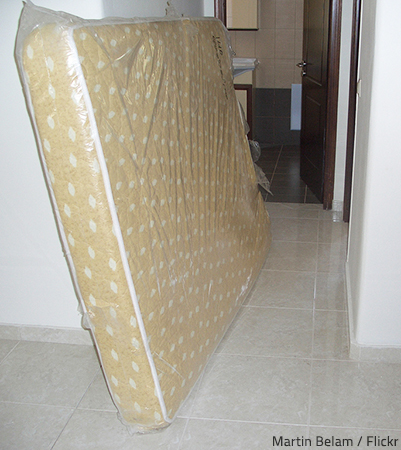
Moving a mattress in the rain is very risky as even a small amount of moisture can ruin the bedding completely. When a mattress gets soaked up, it cannot be easily dried and remains wet for a long time. As a result, mold starts developing on the porous material and quickly affects the entire mattress. You will have no choice but to discard it.
To avoid this unfortunate scenario, you need to keep your mattress completely dry and well protected against moisture. It is, therefore, a good idea to purchase a special mattress bag, mattress pads, or other appropriate protective materials for your bedding and pack it with utmost care.
You can find detailed information on how to best pack a mattress for moving here.
How to pack appliances and electronics for moving in the rain
Water can cause great damage to electronic equipment and electrical devices.
When moving a TV, fridge, washer, or any other household appliances or sensitive electronics in the rain, you need to ensure that they won’t come in contact with moisture – pack them in their original boxes (or other similar sized boxes), provide sufficient padding inside the containers, seal them well, and wrap them in moving blankets and quality plastic coverings to keep them dry and safe throughout the entire moving process.
Do not forget to label boxes containing electronic and electrical devices as items that should not get wet and, if possible, wait until the rain stops to transport them.
SEE ALSO: How to pack appliances for moving
How to protect artwork from moisture
Wrap your framed pictures and other delicate works of art in plastic wrap to prevent moisture from getting to the valuable pieces. It is best to use special picture boxes for your paintings and to put your other artwork in custom-made wooden crates, then cover the boxes or crates with waterproofing materials for maximum protection.
SEE ALSO: How to pack pictures for a safe move
How to keep rain off your clothes
When clothes get wet, they may be affected by mold and ruined. The easiest way to keep them dry when moving house in the rain is to put them in large size trash bags (you can even pack clothing on hangers directly into a garbage bag – just make a hole in the bag for the neck of the hanger – or wrap them in bundles with the help of plastic wrap).
SEE ALSO: How to best pack clothes for moving
How to move books in the rain
Paper cannot survive excessive moisture, so your books need to be safely packed in waterproofed moving containers as described above.
SEE ALSO: How to pack books for moving
How Much do Movers Cost?
As Featured On:

Loading Considerations
Having packed your belongings for a “rainy move”, you need to consider how to keep them out of the rain while loading them onto the moving truck. If it’s raining on moving day, you’re advised to:
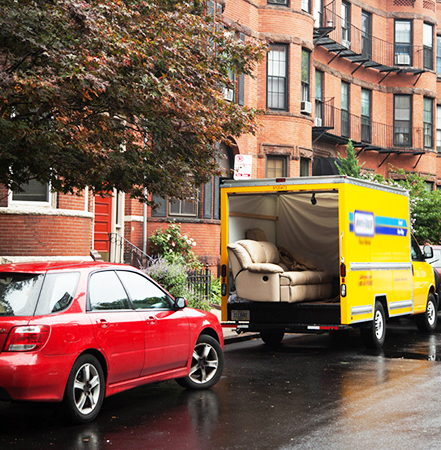
- Park the moving truck as close to the entrance of your home as possible. The shorter the distance, the faster you (or your movers) will be able to take your items into the moving van and the less they will be exposed to the inclement weather;
- Inspect the route along which your items will be carried between your home and the moving van – depressions in concrete or dirt can turn into puddles, fallen leaves and dust-covered walkways can get slippery when they’re wet, etc. – and deal with the potential hazards:
- lay down pieces of plywood over deeper depressions;
- sweep the paths clear of leaves and debris;
- hose mud off concrete driveways on the morning of moving day, etc.
- Try to set up a temporary cover over the path from the home door to the moving truck – use a popup tent or hang a tarp over the path to keep yourself, your movers, and your belongings out of the rain;
- Make sure no water gets into the moving truck. Check for leaks (use duct tape to fix the problem if you find any – you can even make a temporary patch out of plastic wrap and duct tape for better protection) and cover the truck floor with tarps, drop cloths, or old blankets to provide a dry surface for your items;
- Prioritize your items – when moving house on a rainy day, start with plastic bins and items that are not prone to water damage. While loading them on the truck, the rain may lessen or even stop. Keep aside the items that should not get wet and wait for a break in the rain to move them;
- Dry your items as soon as they’re loaded on the moving truck – remove any extra coverings and wipe the boxes and other items with towels or clean rags to remove excess moisture.
Property Protection Measures
When moving house in the rain, you need to protect not only your belongings but your home(s) as well (you need to leave your old property in good condition in order to be able to get your security deposit back or to make a good impression to potential buyers and you want your new home to be in excellent condition, of course). So, when moving in bad weather, make sure you protect the floors and carpets against mud and moisture:
- Line the entryway to your home with old rugs and towels. They will catch the mud and water from yours and your movers’ shoes so that it doesn’t get tracked inside;
- Lay old carpets or sheets, drop cloths or tarps, or any other suitable coverings on the floors to protect them from mud and increase traction when carrying your items around;
- Place some cardboard pieces or newspapers over the floor coverings near the front door and replace them when they get muddy and slippery;
- Whether you’ve hired professional movers or asked some good friends to come and help you move, have some people stay inside the home and others – outside. The indoor crew will hand your items to the people outdoors who will make the trek between the house and the moving truck. This way, the floors will stay dry and clean and the entire process will take less time.
Personal Safety Measures
Now that you’ve taken every possible measure to protect your belongings and your home, there is only one more thing left to do – the most important one of them all – ensure yours, your family’s and your movers’ safety.
1) Prevent slippage – Most surfaces become slick when they get wet, so you need to be very careful when moving in the rain:
- Cover smooth surfaces like hardwood floors, tiles, metal ramps, rubber floors, etc. with cardboard pieces, old rugs, or other non-slippery materials;
- Tape down the edges of the floor coverings, so that they don’t move around or form any folds or ripples people may trip over;
- Pay special attention to staircases as they pose the greatest falling hazard on a rainy moving day;
- Wear waterproof shoes with nonskid soles to reduce the risk of slipping on mud or wet pavement;
- Watch your step!
2) Wear appropriate clothing – Wear light, flexible raingear that will keep you dry and will help you avoid accidents. Keep in mind that wet clothes can get quite heavy and may easily get caught on a piece of furniture or some other item and cause you to fall and hurt yourself. Make sure you put on sturdy boots with anti-slippery soles (as discussed above) and flexible, waterproof gloves that fit well and will not only keep your hands dry, but will also provide a good grip on your wet items;
3) Take breaks to dry off, get warm, and regain your focus. Do not forget your movers either – offer them hot drinks and light snacks to help them recover their energy and motivation;
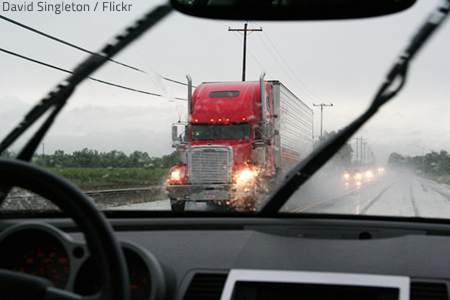
4) Do not get outside in a violent thunderstorm – Lightning, strong winds, and torrential rains can be extremely dangerous (especially when you are hauling large metal appliances, pushing a dolly with several boxes stacked one on top of the other, or trying to make your way to the moving truck on slippery ground). So, stay inside and wait for the storm to subside – you can use the time to provide some more protection to your items or inform your movers of any special handling requirements you may have, etc.;
5) Do not rush things – that’s when accidents happen.
SEE ALSO: How to avoid injuries when moving
Bonus Tips for Moving in the Rain
There are a few more things you can do to avoid troubles and ensure your peace of mind when moving in the rain:
- Get additional moving insurance – As already mentioned, the chance of accidents and damage to your items is much greater when moving in bad weather. Therefore, it’s highly advisable to get full value protection for your belongings, just in case. You may also want to consider purchasing additional moving insurance for your most valuable possessions – after all, a lot of things can go wrong when it’s coming down in buckets on Moving day;
So, what does it mean if it rains on moving day? Will it bring you good luck or bode ill for your new life? Tell us what you think! And don’t forget to share any useful tips you might have for moving in the rain.
Also Read

Office Moving Checklist: How to Plan the Perfect Office Move
Moving to a new office can be a serious task for a business - an office relocation job that often proves to be... Read More

Boston Moving Guide – Info and Advice
History, culture, green open spaces, and a thriving economy await you in Boston Boston is one of the most... Read More
10 Hot Tips for Moving in the Summer
It’s no secret that summer is the most popular season to move house – the weather is usually nice (warm and dry),... Read More
More about the author

Jessica is an experienced moving expert and author of informative relocation articles and useful tips. Writes for MoveAdvisor, formerly MyMovingReviews.com.

Martin is a moving expert and online marketer who’s been involved in the moving industry since 2004. Writes for MoveAdvisor, formerly MyMovingReviews.com.
Posted on
thank you for giving me wonderful information