Choosing the best province to live in Canada is not easy; they all offer something different. Many people will look at the headline costs and base their decision on price, but that can be a mistake.
A province with low housing costs may have fewer jobs. A province with excellent salaries may also have rent that eats most of your income.
British Columbia may offer the mildest winters, but it is also one of the most expensive places to live. Alberta may offer one of the best job-and-housing balances, while Quebec can be excellent for people who speak French or want a lower-cost major city.
This week’s home-moving blog compares all 10 Canadian provinces, as well as a review of each province, to help you decide which province is best for you.
Province Comparison Table
Whistler, BC
Province
Best for
Main drawback
Housing cost
Job market
Weather
Safety
Overall fit
Ontario
Careers, diversity, education
Expensive housing
High
Very strong
Mixed
Strong
Best for career growth
Alberta
Jobs + housing value
Cold winters
Medium
Strong
Cold /sunny
Mixed
Best balance
BC
Climate, nature, lifestyle
Very expensive
Very high
Strong
Mild coast
Good
Culture, affordability, and students
Quebec
Best Atlantic City life
French usually needed
Medium
Strong
Cold
Strong
Best for French speakers
Manitoba
Affordable housing
Harsh winters, safety varies
Low
Moderate
Very cold
Mixed
Best for budget families
Saskatchewan
Home ownership, trades
Fewer big-city options
Low
Moderate
Very cold
Mixed
Best for buyers
Nova Scotia
Coastal lifestyle
Limited rentals/jobs
Medium
Moderate
Coastal
Good
Best for a slower life
New Brunswick
Low cost, bilingual life
Smaller job market
Low
Smaller
Coastal/cold
Good
Best low-cost option
Newfoundland and Labrador
Nature, affordability
Higher unemployment
Low
Limited
Windy/cool
Mixed
Best for a quiet life
PEI
Quiet coastal living
Small job market, limited rentals
Medium-low
Small
Coastal
Good
Best for quiet life
You may also like to read: Moving from the USA to Canada Checklist. In this guide, you will find a comprehensive checklist to make your move from the United States to Canada so much easier.
How Much do Movers Cost?
Save up to 40% on your upcoming move and get a quote from reputable moving experts.
The best provinces for new immigrants are usually Ontario, Alberta, British Columbia, and Quebec, because they offer the largest job markets, bigger cities, international communities, and more settlement help.
Ontario is often the first choice because Toronto, Ottawa, Mississauga, Brampton, Hamilton, London, and Kitchener-Waterloo offer employment opportunities in finance, technology, healthcare, education, logistics, government, manufacturing, and professional services. The province is also one of the most diverse places in Canada, which can make it easier to find cultural communities, language support, religious institutions, and familiar food.
Alberta is a good alternative for those who want a better balance between jobs and housing costs. Calgary and Edmonton are large, diverse cities with good opportunities in energy, trades, construction, logistics, healthcare, education, engineering, and technology. Housing is usually more attainable than in Toronto or Vancouver, which can make Alberta a better choice for families who want space.
British Columbia is attractive because of its climate, scenery, tech sector, and international communities, especially in Metro Vancouver and Victoria. The main challenge is cost. Compare salaries and rent before deciding.
Quebec can be excellent for those who speak French or are ready to learn. Montreal offers culture, universities, public transit, tech jobs, and lower housing costs than Toronto or Vancouver. However, French is important for work, government services, and long-term integration.
Those seeking affordability should also consider Manitoba, Saskatchewan, and New Brunswick. These provinces may offer lower housing costs and provincial immigration opportunities, but the job market is smaller, so it is better to move with a job offer.
Best Province in Canada for Families
Alberta, Ontario, Manitoba, and New Brunswick are great options for families, but for different reasons.
Alberta is one of the best choices for families who want more space, good income potential, and access to large-city services without Toronto or Vancouver housing prices.
Calgary and Edmonton offer schools, universities, hospitals, family neighborhoods, parks, sports facilities, and strong employment options. The winter is cold, but many families accept the weather because the housing-to-income balance can be better.
Ontario is best for families who prioritize education, career growth, healthcare access, and cultural diversity. The province has major universities, hospitals, school boards, private school options, and French immersion programs. The downside is the housing cost. Families often need to look outside central Toronto and compare areas such as Ottawa, London, Hamilton, Kingston, Windsor, Barrie, or Kitchener-Waterloo.
Manitoba is good for families who want more affordable housing and a stable lifestyle. Winnipeg has jobs in healthcare, education, logistics, manufacturing, finance, and public administration. The trade-off is winter and neighborhood-level safety. Research school catchments and specific communities before choosing where to live.
New Brunswick is attractive for families who want lower housing costs, smaller cities, and a slower pace. Moncton, Fredericton, and Saint John can offer more attainable homes than Canada’s largest cities. The province is also officially bilingual, which can be useful for families who want English and French exposure. The main drawback is the smaller job market.
For families, the best province is not always the one with the cheapest houses. A better question is: can you afford a safe area with good schools, reasonable commute times, healthcare access, and enough income stability?
You may also like to read: How Does Moving Affect Children? In this guide, we look at the impact that moving home has on children and what studies have to say on the subject.
Best Province in Canada for Young Professionals
Ontario, Alberta, British Columbia, and Quebec are the best provinces for young professionals.
Ontario is the best choice for people who want maximum career options. Toronto is Canada’s largest business center, Ottawa is good for government and technology, and Kitchener-Waterloo is one of the country’s key tech hubs. Young professionals in finance, software, marketing, consulting, healthcare, education, law, logistics, and corporate roles will usually find more opportunities in Ontario than in any other province.
Alberta is better for young professionals who want strong earning potential but do not want the housing costs of Toronto or Vancouver. Calgary is good for energy, finance, engineering, corporate roles, technology, and access to the Rockies. Edmonton is strong for healthcare, education, government, public-sector work, and more affordable city living.
British Columbia is best for young professionals whose focus is on lifestyle, climate, and the outdoors. Vancouver has opportunities in tech, film, gaming, tourism, real estate, construction, and healthcare. However, high rent can reduce the benefit of a good salary.
Quebec, especially Montreal, is one of the best options for young professionals who want culture, nightlife, universities, public transit, and lower housing costs than Toronto or Vancouver. It is especially good for tech, AI, gaming, aerospace, education, healthcare, and creative industries. French will improve both career and daily life.
For young professionals, the best province depends on the industry. A software developer may compare Toronto, Vancouver, Montreal, Calgary, and Waterloo. A nurse may have better options in almost every province. A tradesperson may find Alberta, Saskatchewan, or Manitoba more attractive than Ontario or B.C.
Best Province in Canada for Retirement
New Brunswick, Nova Scotia, Prince Edward Island, and Newfoundland and Labrador are often attractive for retirees because they offer a slower pace of life, coastal scenery, and lower housing costs than Ontario or British Columbia.
New Brunswick is one of the best retirement options for people who want affordability, smaller cities, and access to the coast. Moncton, Fredericton, and Saint John are worth comparing. The cost of buying a home can be much lower than in Toronto, Vancouver, or Victoria, which may help retirees stretch their savings.
Nova Scotia is attractive for retirees who want coastal living but still want a real city option. Halifax offers hospitals, universities, restaurants, culture, and an airport, while smaller towns offer a quieter lifestyle. The drawback is that Halifax has become more expensive, and rental availability can be limited.
Prince Edward Island suits retirees who want a quiet, small-province lifestyle. It offers beaches, farmland, small communities, and a slower pace. The trade-off is limited healthcare, fewer specialists, and a smaller rental market.
Newfoundland and Labrador can appeal to retirees who seek nature, community, and affordability. St. John’s offers more services than smaller towns, but weather, healthcare access, and distance from other provinces should be considered carefully.
Retirees should not choose based on housing cost alone. Healthcare access, doctor availability, hospital location, prescription coverage, winter conditions, public transport, and proximity to family may matter more than saving money on a home.
You may also like to read: Moving After Retirement. In this guide, we look at the pros and cons and things to consider if you are thinking of moving home after retiring.
Best Province in Canada for Remote Workers
Remote workers have more flexibility, but they still need to think about internet quality, airports, healthcare, housing, time zones, and lifestyle.
Nova Scotia is a great remote-work option for people who want coastal living with access to a real urban center. Halifax offers restaurants, universities, hospitals, an airport, and more services than many smaller Atlantic communities. It is not as cheap as it used to be, but it can still be attractive compared with Toronto or Vancouver.
New Brunswick is one of the best low-cost choices for remote workers. Moncton, Fredericton, and Saint John offer lower housing costs, smaller-city living, and access to nature. It is also a good option for bilingual households or people who want a quieter lifestyle.
Prince Edward Island can suit remote workers who want peace, coastal scenery, and small communities. However, rental availability, winter travel, and healthcare access should be checked before moving.
Newfoundland and Labrador can work for remote workers who want nature, affordability, and a slower pace. St. John’s is the most practical choice because it has more services and better connectivity than smaller communities.
Parts of Quebec and Alberta are also good for remote workers. Quebec can offer cheaper city life in places such as Montreal, Quebec City, Sherbrooke, or Trois-Rivières. Alberta offers major-city services in Calgary and Edmonton with better housing value than Toronto or Vancouver.
For remote workers, the best province is not always the cheapest. A good choice needs reliable internet, a suitable home, access to healthcare, manageable travel connections, and a lifestyle you will still enjoy after the first few months.
Best Province in Canada for Students
University College Toronto
Ontario, Quebec, British Columbia, Nova Scotia, and Alberta are the best provinces for students.
Ontario has the largest selection of universities and colleges, including options in Toronto, Ottawa, Waterloo, London, Kingston, Hamilton, and other student cities. It is good for almost every field, from business and engineering to healthcare, technology, law, education, and the arts. The downside is cost, especially in Toronto and the GTA.
Quebec is one of the best student provinces for people who want culture, public transit, and a lower cost of living than Toronto or Vancouver. Montreal is one of Canada’s best student cities, with major universities, nightlife, arts, tech, and international communities. French is a major advantage.
British Columbia is attractive for students who want a nice climate, nature, and good universities. Vancouver and Victoria are popular, but rent can be expensive. Students should budget carefully before choosing B.C.
Nova Scotia is excellent for students who want a smaller-city feel. Halifax has several universities, a large student population, and a coastal lifestyle. It is more affordable than Toronto or Vancouver, but housing availability can be limited.
Alberta is best for students who want good universities, better housing value, and access to jobs after graduation. Calgary and Edmonton both offer major institutions, large-city amenities, and employment options.
Best Province in Canada for Tradespeople
Alberta, Saskatchewan, Manitoba, and Ontario are great options for tradespeople.
Alberta is especially attractive for trades linked to construction, energy, transportation, logistics, utilities, engineering, and maintenance. Calgary and Edmonton offer large labor markets, and smaller cities may also have opportunities depending on the trade.
Saskatchewan is good for agriculture, mining, potash, oil, gas, construction, and transportation. It can be a good place for tradespeople who want lower housing costs and do not need a very large city.
Manitoba offers opportunities in manufacturing, logistics, construction, transportation, agriculture, and public infrastructure. Winnipeg is the main job center and can be more affordable than larger Canadian cities.
Ontario has the largest economy and a wide demand for trades, especially around the Greater Toronto Area, Ottawa, Hamilton, London, and Kitchener-Waterloo. The issue is housing cost. A tradesperson may find plenty of work but still struggle with affordability in the most expensive areas.
For tradespeople, the right province depends on certification, demand, local wages, union rules, housing costs, and whether the work is tied to construction cycles or resource industries.
Healthcare workers have opportunities across Canada, but the best province depends on role, licensing, salary, workload, and lifestyle.
Ontario offers the largest healthcare system and many hospitals, clinics, universities, research centers, and specialist facilities. It is a great choice for nurses, doctors, technicians, administrators, and allied health professionals who want career mobility. Housing cost is the main problem.
Alberta is also good for healthcare workers, especially in Calgary and Edmonton. The province combines large hospitals, growing cities, and better housing value than Ontario or B.C. Winters are cold, but the income-to-housing balance can be attractive.
British Columbia has high-quality healthcare and excellent lifestyle appeal, especially in Vancouver, Victoria, and other growing communities. The downside is affordability. Healthcare workers moving to B.C. should compare salary against rent or home prices.
Nova Scotia, New Brunswick, Manitoba, Saskatchewan, Newfoundland and Labrador, and Prince Edward Island may offer good opportunities for healthcare workers, especially in underserved areas. These provinces can be attractive for people who want lower housing costs or a slower lifestyle, but healthcare systems may be smaller and specialist options more limited.
Healthcare workers should check licensing requirements before moving, especially if they were trained outside Canada or are changing provinces.
You may also like to read: Moving to Edmonton. Edmonton is a great choice for healthcare workers. Discover all you need to know about living in Edmonton in this guide.
Cheapest to Most Expensive Provinces
In general, the cheapest provinces are:
New Brunswick
Newfoundland and Labrador
Saskatchewan
Manitoba
Prince Edward Island
The most expensive provinces are:
British Columbia
Ontario
Nova Scotia, especially Halifax
Alberta, depending on the city
Quebec, especially Montreal, is still cheaper than Toronto and Vancouver
Housing is usually the biggest difference. A province can seem affordable if you own a home, but expensive if you are renting in a competitive market. Renters should compare actual city rents before moving.
Based on the Crime Severity Index, Ontario and Quebec are among the safest large provinces. Prince Edward Island and Nova Scotia also perform well. Manitoba and Saskatchewan have higher CSI scores, which does not mean every city or neighborhood is unsafe, but it does mean you need to research thoroughly before deciding where to move.
Safety should be researched at the city and neighborhood level, not just the provincial level. A safe neighborhood in Winnipeg or Regina may be preferable to a high-crime area in a generally safer province.
British Columbia has the mildest winters, especially on Vancouver Island and the Lower Mainland. However, coastal B.C. is also rainy and cloudy in winter.
The Prairies (Alberta, Saskatchewan, and Manitoba) have colder winters, more temperature extremes, and drier climates. Alberta is sunnier than many provinces, and Calgary benefits from warming Chinook winds in winter.
Ontario and Quebec have four very different seasons, with cold winters and warm, humid summers. Atlantic Canada has coastal weather: wind, rain, snow, fog, and milder temperatures than the Prairies, but less predictable conditions.
Best for mild winter: British Columbia
Best for sunny, cold winters: Alberta
Best for four seasons: Ontario, Quebec
Best for coastal lifestyle: Nova Scotia, New Brunswick, PEI, Newfoundland and Labrador
Employment Opportunities
Ontario has the largest and most diverse job market. It is the best province for finance, technology, corporate jobs, healthcare, education, logistics, and government-related work.
Alberta is excellent for energy, trades, engineering, construction, logistics, and increasingly technology. It often offers better income-to-housing value than Ontario or B.C.
British Columbia has strong opportunities in tech, film, tourism, construction, healthcare, and education.
Quebec has opportunities in aerospace, AI, gaming, manufacturing, education, healthcare, and public-sector work, but the French language is often required.
The Atlantic Provinces offer a smaller job market, but good opportunities in healthcare, education, government, tourism, logistics, marine industries, and remote work.
Source: StatsCan reported Canada’s population at 41,472,081 on January 1, 2026, and the May 2026 national unemployment rate at 6.6%.
Schooling and Education
All Canadian provinces offer publicly funded education, but school quality varies by district, city, and neighborhood. Families should compare local school boards, catchment areas, French immersion availability, private school options, childcare costs, and commute times.
Ontario, Quebec, and British Columbia have some of the largest universities. Nova Scotia has good universities, especially around Halifax. Alberta has major universities in Calgary and Edmonton. Manitoba and Saskatchewan offer good public education at a lower cost of living.
For families, the best province is not necessarily the one with the most famous universities. A better question is: can you afford to live in a safe area with good schools and reasonable commute times?
Taxes and Everyday Costs
Taxes vary significantly by province.
Alberta has one of the lowest taxes because it has no provincial sales tax, only the federal GST. Ontario has HST, B.C. has GST plus PST, and Atlantic Provinces generally have higher HST rates.
However, taxes are only one part of affordability. A province with lower taxes may still be expensive if rent, car insurance, or utilities are high. A province with higher taxes may still be affordable if housing is much cheaper.
Healthcare is public across Canada, but availability varies. Large cities usually have more hospitals, specialists, and clinics, but also more demand. Smaller provinces and rural areas may have longer waiting times or fewer specialists.
Before moving, people with chronic health needs should research doctor availability, specialist access, hospital locations, and prescription coverage rules in the destination province.
Province by Province Review
1. Ontario
North Bay, Ontario
Ontario has the country’s largest population, the biggest labour market, the largest city, the national capital region, and many of Canada’s top universities and hospitals.
The province is home to Toronto, Ottawa, Mississauga, Hamilton, London, Kitchener-Waterloo, and many fast-growing suburban communities. It offers good employment opportunities in finance, technology, healthcare, education, government, logistics, manufacturing, and professional services.
The downside is cost. Toronto and the Greater Toronto Area are among the most expensive places in Canada for housing. Even smaller Ontario cities have become much more expensive than they used to be.
Ontario is best for people who want career growth, cultural diversity, major-city amenities, and strong education, but it is not the easiest province for someone trying to live cheaply.
Toronto: strongest job market, highest cost.
Ottawa: government, tech, safety, family stability.
Kitchener-Waterloo: tech and students.
London / Windsor / Kingston: more affordable alternatives.
Do not move to Ontario if your main priority is cheap housing. Ontario has the strongest and most diverse job market in Canada, but it comes with high housing costs, especially in Toronto, the Greater Toronto Area, Ottawa, and many fast-growing cities. Even smaller Ontario cities are no longer the bargain they once were.
Ontario may also be unsuitable if you want a slower pace, low traffic, short commutes, and more living space for your money. It is excellent for careers, education, healthcare access, and diversity, but many households need a good income to live comfortably.
If you are moving to Ontario without a job offer, make sure you have enough savings to handle rent, transport, deposits, and a competitive rental market.
You may also like to read: Moving to Toronto. This is a comprehensive guide to living in Toronto to help you decide if it is the right city for you.
2. Quebec
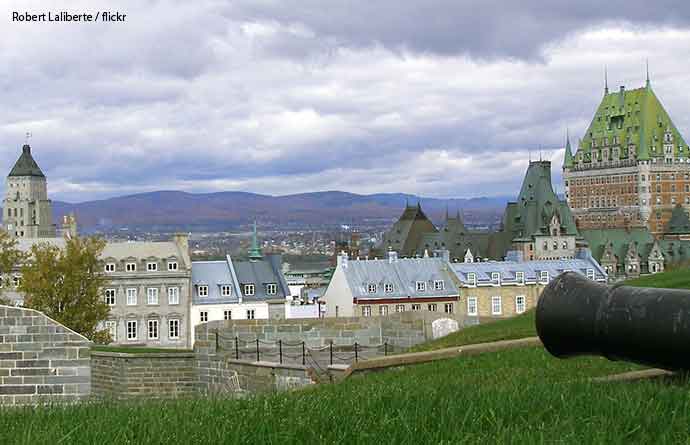
Quebec Citadel
Quebec offers one of the best combinations of big-city living and affordability in Canada. Montreal is much cheaper than Toronto or Vancouver while still offering a strong culture, universities, public transit, nightlife, tech jobs, and international communities.
However, speaking French is central to life in Quebec. You can live in Montreal with English in some industries, but life is much easier if you speak or are willing to learn French.
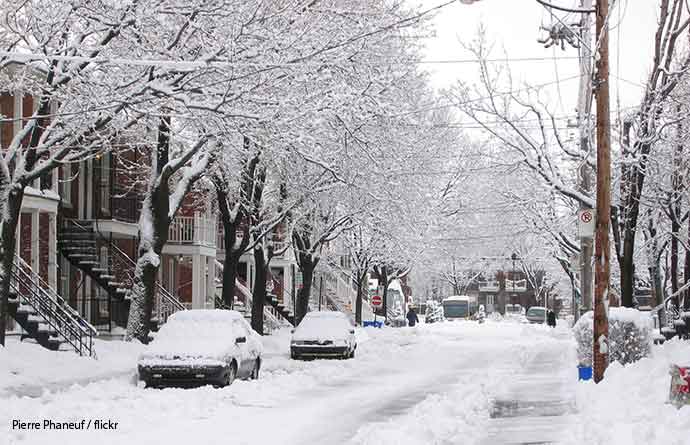
Quebec is also one of the safest provinces by Crime Severity Index and has a strong identity, lower childcare costs compared with many provinces, and a rich cultural scene. But winters are cold and snowy, especially outside Montreal.
Best cities to consider: Montreal, Quebec City, Laval, Gatineau, Sherbrooke, and Trois-Rivières.
Best for: French speakers, students, creatives, tech workers, families who want a lower-cost major city, and people who value culture and urban life.
Do not move to Quebec if you are unwilling to learn or use French. Montreal can be easier for English speakers than many other parts of the province, but French is vital for work, government services, schools, social life, and long-term integration.
Quebec may also be less suitable if your career requires an English-only professional environment or if you do not want your children to enter a French-language education system, depending on eligibility and local rules.
For people who speak French, Quebec can offer excellent value, culture, and urban life. For people who do not adapt linguistically, daily life can become much harder than expected.
You may also like to read: Moving to Quebec. If Quebec is your province of choice, then you will find this comprehensive guide invaluable.
3. British Columbia
North Shore Mountains, BC
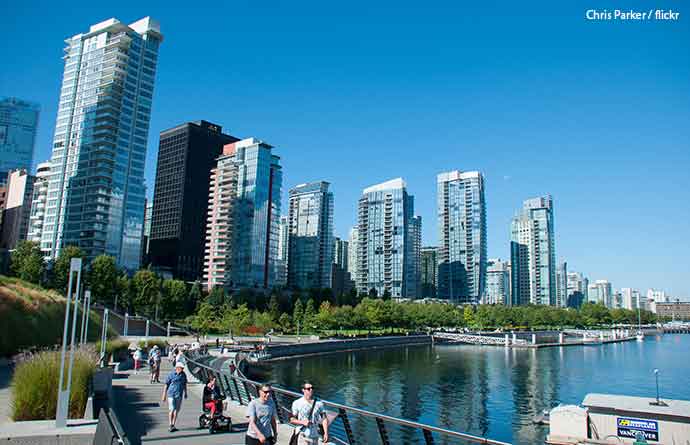
British Columbia is famous for mountains, ocean, forests, and Canada’s mildest coastal winters. Vancouver and Victoria are among the most desirable places to live in the country, especially for people who put lifestyle, nature, and access to the Pacific first.
The problem is affordability. B.C. is one of Canada’s most expensive provinces, especially in Metro Vancouver and Victoria. Rent and home prices are high, and many residents sacrifice space for location.
The job market is robust in technology, film, tourism, education, healthcare, construction, real estate, and professional services. However, salaries do not always compensate for the high cost of housing.
Best cities to consider: Vancouver, Victoria, Kelowna, Nanaimo, Kamloops, Abbotsford, Surrey.
Best for: people who prioritize climate, outdoor lifestyle, tech jobs, ocean/mountain access, and cultural diversity.
Do not move to British Columbia if you need affordable housing on an average income. B.C. offers mountains, ocean, outdoor lifestyle, and the mildest coastal winters in Canada, but Metro Vancouver and Victoria are among the most expensive places in the country.
British Columbia may also be frustrating if you want a large home, low rent, or easy entry into the housing market. Many people love the lifestyle but end up sacrificing space, savings, or financial stability to stay there.
If you are not earning a good income, moving with savings, or bringing remote work, compare rent carefully before choosing B.C. The climate and lifestyle are attractive, but affordability is the main concern.
You may also like to read: Moving to Vancouver. If going to live in Vancouver is on your wish list, then this guide explains all you need to know about living here.
4. Alberta
Calgary, Alberta
Alberta is one of the best provinces for people who want jobs, space, and better housing value. Calgary and Edmonton are large, diverse cities with lower home prices than Toronto and Vancouver. Alberta also has no provincial sales tax, which helps reduce everyday costs.
The economy is tied strongly to energy, construction, engineering, agriculture, logistics, and trades, but Calgary and Edmonton also have growing technology, healthcare, and professional sectors.
The weather is cold in winter, but Alberta is also sunny and dry. Calgary benefits from Chinook winds, which can bring a sudden increase in winter temperatures. For many, Alberta offers one of the best combinations of income potential and housing affordability.
Calgary: best for corporate jobs, tech growth, energy, finance, families, and access to the Rockies.
Edmonton: better value than Calgary, strong public sector, healthcare, education, and government jobs. Red Deer / Lethbridge / Medicine Hat: cheaper options with smaller job markets.
Do not move to Alberta if you cannot tolerate cold winters or economic cycles linked to energy and resource industries. Calgary and Edmonton offer strong job markets and better housing value than Toronto or Vancouver, but winters are long, cold, and dry.
Alberta may also be less suitable if your career depends heavily on industries concentrated in Toronto, Vancouver, or Montreal, such as certain corporate headquarters, media, fashion, publishing, or specialized creative roles.
The province can be one of the best choices for jobs and housing value, but it is not a mild-climate province. If winter weather affects your health, mood, or ability to commute, research the reality of Alberta winters before moving.
You may also like to read: Moving to Calgary. If Calgary is on your wish list of cities to move to, you will find this guide invaluable.
5. Manitoba
St, Andrews, Manitoba
Manitoba is one of Canada’s most affordable provinces for housing. Winnipeg is the main economic center and offers jobs in healthcare, education, manufacturing, logistics, agriculture, public administration, and finance.
The province has a lower cost of living than Ontario, B.C., and Alberta, but winters are very cold. Winnipeg in particular has long, harsh winters, which can be difficult for newcomers.
Safety is more mixed. Manitoba’s Crime Severity Index is higher than that of many other provinces, so choosing the right neighborhood is important. Many families choose Manitoba because housing is more attainable and communities can be stable and family-oriented.
Best cities to consider: Winnipeg, Brandon, Steinbach, Thompson.
Best for: affordable housing, families, public-sector workers, logistics, manufacturing, and people who can handle cold winters.
Do not move to Manitoba if harsh winters are a deal-breaker. Winnipeg and much of the province experience very cold, long winters, which affect commuting, heating costs, driving, outdoor life, and mood.
Manitoba may also be a poor fit if you want a dynamic job market or a major-city lifestyle similar to Toronto, Vancouver, or Montreal. Winnipeg has opportunities, but the labor market is smaller.
You should also research neighborhood safety carefully. Manitoba can offer affordable housing and a stable family life, but choosing the right area matters. Do not judge the whole province by average prices alone.
You may also like to read: Moving to Winnipeg. Winnipeg is a hidden gem of a city. Find out all you need to know about living here in this guide.
6. Saskatchewan
North Saskatchewan River
Saskatchewan is one of Canada’s most affordable provinces for buying a home. It has a resource-based economy, primarily in agriculture, mining, potash, oil, gas, construction, and transportation.
Saskatoon and Regina are the main urban centers. Both are smaller and more affordable than major cities in Ontario, Alberta, and B.C. The lifestyle is quieter, with more space and better housing availability.
The drawbacks are harsh winters, fewer big-city amenities, and a higher Crime Severity Index than most other provinces.
Best cities to consider: Saskatoon, Regina, Prince Albert, Moose Jaw.
Best for: affordable home ownership, agriculture, mining, energy, trades, and people who prefer smaller cities.
Do not move to Saskatchewan if you need big-city energy, plenty of career options, or mild weather. Saskatchewan is good for home ownership, trades, agriculture, mining, energy, and lower housing costs, but its cities are smaller, and winters are very cold.
The province may not suit people who depend on large corporate sectors, major international communities, comprehensive public transit, nightlife, or specialized industries found mainly in Toronto, Vancouver, Montreal, or Calgary.
Saskatchewan can be a great choice for buyers who want space and affordability, but it is less suitable for people who need a large labor market or an urban lifestyle.
7. Nova Scotia
Hall’s Harbor, Nova Scotia
Nova Scotia has become much more popular since remote work became the norm and more Canadians started looking for coastal living outside Toronto and Vancouver.
Halifax is the province’s economic center and has a growing population, universities, hospitals, tech firms, and a lively cultural scene.
Housing is still cheaper than in Toronto or Vancouver, but Halifax is no longer cheap. Rents have risen significantly in recent years, and availability is limited.
Nova Scotia is attractive for lifestyle: ocean access, historic towns, a slower pace, good universities, and a strong community feel. The job market is smaller than Ontario, Alberta, or B.C., so moving with remote work or a job offer is your best bet.
Best cities to consider: Halifax, Dartmouth, Bedford, Truro, Sydney, Wolfville.
Best for: coastal lifestyle, remote workers, students, healthcare workers, retirees, and families who want a smaller-city feel.
Do not move to Nova Scotia if you assume Atlantic Canada is still cheap and easy to rent in. Halifax has become much more expensive, and rental availability can be limited in popular areas.
Nova Scotia may also be a poor fit if you need a large job market. Halifax has universities, hospitals, government, tech, tourism, and culture, but the overall labor market is smaller than in Ontario, Alberta, or British Columbia.
The province is attractive for coastal lifestyle, students, retirees, and remote workers, but moving without a job offer or secure remote income can be risky. Check rental supply, wages, and healthcare access before deciding.
8. New Brunswick
Grand Falls, New Brunswick
New Brunswick is one of Canada’s most affordable provinces and the only officially bilingual province. It offers relatively low property prices, smaller cities, coastal access, and a quieter lifestyle.
The main cities are Moncton, Saint John, and Fredericton.
Moncton has grown quickly and is often seen as one of the best small-city options in Atlantic Canada.
Fredericton has government and university jobs, while Saint John has industry, port activity, and lower housing costs.
The job market is smaller than in larger provinces, so research employment opportunities carefully. However, for retirees, remote workers, and families looking for lower housing costs, New Brunswick can be very attractive.
Best cities to consider: Moncton, Fredericton, Saint John, Dieppe.
Best for: affordability, bilingual families, remote workers, retirees, and people who want a slower pace of life.
Do not moveto New Brunswick if you need a large job market, major-city amenities, or frequent international travel. New Brunswick is one of Canada’s more affordable provinces, but its cities are smaller, and employment options can be more limited.
It may also be less suitable if you want the pace, diversity, transit, and entertainment options of Toronto, Vancouver, or Montreal. Moncton, Fredericton, and Saint John can be good places to live, but they are smaller markets.
New Brunswick is best for people who value affordability, bilingual life, remote work, retirement, or a slower pace. It is not the best choice for everyone chasing quick career growth.
You may also like to read: Top Rated Canadian Movers. Browse through the latest reviews of movers in every province to help you choose the best mover for your relocation.
9. Newfoundland and Labrador
St John’s, Newfoundland
Newfoundland and Labrador offer stunning landscapes, affordable housing, and a very distinct culture. St. John’s is the main city and economic center.
The economy is linked to offshore oil, mining, fishing, public services, healthcare, education, and tourism. Job opportunities can be more limited than in larger provinces, and unemployment is often higher than the national average.
The weather is cool, windy, and coastal. Winters are not always as harsh as the Prairies, but they can be wet, snowy, and stormy. For the right person, Newfoundland offers community, nature, and affordability. For someone needing a broad job market, it can be more challenging.
Best cities to consider: St. John’s, Mount Pearl, Corner Brook, Grand Falls-Windsor.
Best for: nature lovers, lower-cost buyers, resource-sector workers, and people seeking a slower pace and strong local culture.
Do not move to Newfoundland and Labrador if you need a diverse job market or easy access to the rest of Canada. The province offers nature, culture, community, and affordable housing, but employment options can be more limited, and unemployment is often higher than average.
It may also be a poor fit if you dislike windy, cool, wet, or stormy weather. The climate is very different from inland Canada.
Newfoundland and Labrador can be wonderful for people who value nature, local culture, and a slower pace. It is less suitable for people who need many career options, frequent travel, or a large urban economy.
10. Prince Edward Island
Cavendish Coast, PEI
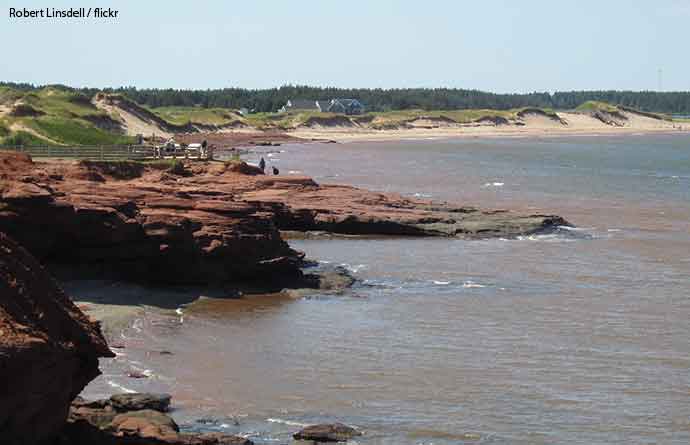
Prince Edward Island is Canada’s smallest province. It offers coastal scenery, small communities, beaches, farmland, and a slower lifestyle. Charlottetown is the main urban center.
PEI has grown in popularity, but the job market remains small. Housing is cheaper than in Ontario or B.C., but not as cheap as it once was, and rental availability can be limited.
The province is best suited to people who want small-town living, remote work, retirement, or a quieter family life. It is less suitable for people who need a large labour market, major-city amenities, or wider career options.
Best cities to consider: Charlottetown, Summerside, Stratford.
Best for: retirees, remote workers, small-town families, coastal lifestyle, and people who value quiet communities.
Do not move to Prince Edward Island if you need a large job market, specialist healthcare access, big-city amenities, or many rental options. PEI is small, quiet, and scenic, but that also means fewer employment choices and a limited housing supply in some areas.
The province may also feel too slow or too small for people used to Toronto, Vancouver, Montreal, Calgary, or Ottawa. It can be ideal for retirement, remote work, or quiet family life, but less practical for people who need rapid career growth or wide service availability.
Before moving to PEI, check rental availability, healthcare access, winter conditions, and whether the small-community lifestyle truly fits you.
Your income after tax A province with low taxes is not always cheaper if rent, insurance, and utilities are high.
Your housing plan Renters and buyers will have different views. BC may be impossible for buyers, but workable for high-income renters. Saskatchewan may be excellent for buyers but less attractive for people who need big-city jobs.
Your industry The best province for a nurse is not necessarily the best province for a software developer, tradesperson, student, or retiree.
Your tolerance for winter The weather is not a small lifestyle detail in Canada. It affects commuting, heating costs, mood, transport, and outdoor life.
Healthcare and family needs People with chronic health needs, young children, or elderly relatives should check doctor availability, specialists, childcare, and local hospitals before moving.
Ontario is best for career opportunities and diversity, but expensive.
British Columbia is best for climate and lifestyle, but very expensive.
Alberta may offer the best balance of jobs, income, and housing value.
Quebec offers big-city culture at a lower cost, especially for French speakers.
Manitoba and Saskatchewan are practical choices for affordable home ownership.
Nova Scotia and New Brunswick are attractive for coastal living and lower housing costs.
Newfoundland and Labrador and PEI are best for people who value community, nature, and a slower pace over a large job market.
For most people, the best province is the one where you can find a job, affordable housing, access to healthcare, feel safe, and enjoy a reasonable quality of life. It is the province where your income, lifestyle, and long-term plans fit together.
Good luck with your move. Be sure to check out our home moving blog, which is packed with guides to make every aspect of your home move easier, cheaper, and safer.
Tell us in the comments below which province you chose and why.
*At MoveAdvisor we will connect you with a professional moving company. Please note that we may not be affiliated with
and you may be speaking with another licensed provider.
We use cookies to optimise your experience.Accept and close or Learn more
















Share your thoughts by leaving a comment